


Key Takeaways
A 5-star AC is generally more energy-efficient, but a 4-star model can still be a sensible purchase when its lower upfront price better fits your budget. The right choice depends on usage, electricity rates, room conditions, and how long you plan to keep the unit.
- 5-star ratings indicate higher tested energy efficiency than 4-star ratings.
- A 5-star AC usually costs more at the time of purchase.
- Frequent, long-duration use makes efficiency savings more valuable.
- A 4-star AC may offer a better balance for moderate use.
- Compare the energy label, cooling capacity, warranty, and installation cost before buying.
Understanding AC Star Ratings: The Basics
Star ratings give shoppers a quick way to compare the energy efficiency of air conditioners. They do not, by themselves, tell you which model cools a room fastest or offers the best features. Instead, the rating reflects how much cooling an AC provides in relation to the energy it consumes under defined testing conditions. Just Picked approaches comparisons as practical buying advice, so the rating is best treated as one part of the decision rather than the whole answer.
What Does a Star Rating Actually Mean?
A higher star rating generally means the AC can deliver its cooling output with less electricity than a lower-rated model in comparable conditions. A 5-star unit therefore has a stronger efficiency position than a 4-star unit, although the actual difference depends on capacity, usage, temperature settings, and climate. The rating is not a guarantee of a particular monthly bill, because household habits and local electricity rates vary.
The label should be read alongside the AC’s cooling capacity and estimated annual energy use. A properly sized 4-star model can be more practical than an oversized 5-star model that runs inefficiently for the room. For a broader explanation of AC star ratings, check the label details rather than relying only on the number of stars.
The Role of Energy Efficiency Ratio (EER) and Seasonal Energy Efficiency Ratio (SEER)
EER compares cooling output with power use at a particular set of operating conditions. SEER considers performance across a range of conditions, making it more useful for thinking about seasonal operation. In some markets and labels, related seasonal measures are used to estimate annual consumption, so shoppers should compare the metric shown on the models they are considering instead of assuming every label uses the same calculation.
These figures help explain why two ACs with similar cooling capacity can have different running costs. They also make a price comparison more meaningful: a higher purchase price may be justified if the unit operates for many hours each day over several years. The BEE label guide offers another useful angle on reading efficiency information and annual consumption estimates.
5-Star AC Units: The Pinnacle of Efficiency
A 5-star AC is designed to sit at the more efficient end of the rating scale. That can matter in a home where cooling runs through long afternoons, hot nights, or much of the year. The benefit is usually seen gradually through lower energy use, not as a dramatic difference in cooling immediately after installation. Just Picked’s buying advice is aimed at helping readers weigh that long-term effect against the initial price.

Key Features and Benefits of 5-Star ACs
The main benefit of a 5-star unit is its efficiency under the rating system’s test conditions. When cooling demand is high and the AC is used regularly, consuming less electricity for comparable cooling can improve household running costs. The exact saving still depends on the model’s capacity, operating settings, maintenance, insulation, and outdoor temperature.
A 5-star rating may also make sense for buyers who plan to keep the AC for many years. It does not automatically mean better air quality, quieter operation, or stronger cooling, so those features need to be checked separately in the specification sheet and reviews. For context, this 4-star versus 5-star comparison focuses on the relationship between efficiency, energy consumption, and long-term cost.
When is a 5-Star AC the Right Choice?
A 5-star model is often the stronger fit when the AC will run frequently, electricity prices are high, or the expected ownership period is long. It can also suit households that want to reduce routine electricity use and are comfortable paying more upfront. The best case is one where the expected operating savings have enough time to offset the purchase-price difference.
Before choosing, consider a few practical questions:
- How many hours will the AC run on a typical hot day?
- How many months of the year will cooling be necessary?
- Is the room correctly sized for the selected capacity?
- How much more does the 5-star model cost after installation?
These answers turn a general preference for efficiency into a more grounded decision. If usage is occasional, the payback period may be longer than expected; if usage is heavy, the higher rating can become more valuable.
4-Star AC Units: A Solid and Reliable Option
A 4-star AC is not an inefficient appliance; it simply sits one step below the highest rating in the comparison. For many households, it provides effective cooling while keeping the initial purchase cost under control. The gap in energy use should be judged against actual operating hours rather than assumed from the star label alone. Just Picked’s reviews and buying advice can help readers put that trade-off into a broader purchase decision.

Understanding the Performance of 4-Star ACs
A 4-star model can be a sensible middle ground for a room that needs regular but not constant cooling. Its performance depends on the same fundamentals that affect any AC: correct sizing, installation quality, filter cleanliness, thermostat settings, and outdoor conditions. A well-maintained unit may feel perfectly comfortable in everyday use even when a 5-star alternative would use less electricity over time.
The label’s annual energy estimate is especially useful here. Compare that figure with the equivalent 5-star model, then consider your expected hours of use. The difference in running cost may be modest for a lightly used bedroom but more noticeable in a living room that cools for much of the day.
Pros and Cons of Opting for a 4-Star AC
The biggest advantage of a 4-star AC is balance. It may reduce the upfront burden while still offering a relatively efficient option, but the long-term energy cost can be higher than with a comparable 5-star unit. The choice is less about declaring one rating universally better and more about matching the unit to the household’s pattern of use.
| Consideration | 4-star AC | 5-star AC |
|---|---|---|
| Upfront purchase price | Often lower | Often higher |
| Rated energy efficiency | High | Higher |
| Best fit | Moderate or seasonal use | Frequent or extended use |
| Long-term electricity cost | Potentially higher | Potentially lower |
The table captures the usual trade-off, but model-to-model differences still matter. Check capacity, annual consumption, warranty, installation charges, and repair support before treating the star rating as a final verdict.
Direct Comparison: 5-Star vs. 4-Star AC
The real difference in the 5 star ac vs 4 star ac decision is usually the balance between purchase price and electricity use. Both ratings can deliver comfortable cooling when the AC is correctly selected and installed. A meaningful comparison therefore needs to include the label’s consumption estimate, expected operating schedule, and ownership period. A simple star-count comparison can miss those details.
Cost Implications: Upfront vs. Long-Term Savings
A 5-star AC commonly asks for more money at checkout, while a 4-star model may be easier on the initial budget. Over time, the 5-star unit may recover some or all of that difference through lower electricity consumption, but the result depends on usage and energy prices. Just Picked’s deal coverage and buying advice are most useful when considered alongside these total-cost questions, not as a substitute for them.
To estimate the difference, compare the annual energy figures on both labels and multiply the gap by your electricity rate. Then multiply that yearly estimate by the number of years you expect to own the AC. This produces a rough comparison rather than a promise, since real-world consumption changes with weather, maintenance, and thermostat settings.
A 4-star model may win financially when the price gap is large and the AC runs only occasionally. A 5-star model may be the better value when cooling is frequent and the ownership period is long. Installation quality and proper sizing can influence the outcome just as much as the rating difference.
Making the Best Choice for Your Needs
There is no universal winner between these two ratings. Start with the room size and cooling capacity, then estimate how often the AC will run during the hottest months. A unit that is too small may struggle, while one that is too large can cost more without improving comfort in proportion. These practical checks should come before comparing small differences in advertised features.
Next, review the energy label and calculate a rough annual cost using your local electricity rate. Consider the purchase price, installation, maintenance, warranty, and likely years of ownership together. Just Picked brings reviews, news, buying advice, and deals into one resource, which can make it easier to compare those factors without reducing the decision to a single star number.
Finally, choose the rating that fits your habits rather than the rating that sounds best in isolation. Frequent users with a long ownership horizon will often have stronger reasons to pay for 5-star efficiency. Moderate users with a tighter upfront budget may find a 4-star AC entirely reasonable, provided the capacity and annual consumption figures make sense.
Conclusion
A 5-star AC generally offers better rated energy efficiency, while a 4-star AC can provide a practical balance of price and performance. Compare annual consumption, expected usage, room size, installation, and ownership costs before deciding. That fuller view will tell you more than the star label alone.
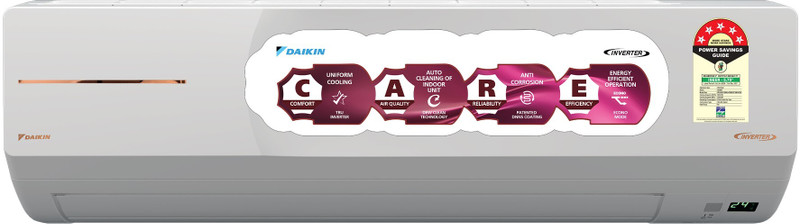
Daikin 2026 Model 1.5 Ton 5 Star Split Inverter AC(MTKM50XV16MKA,RKM50XV16MKA,MTKM50XV16MKB, White)
 Flipkart
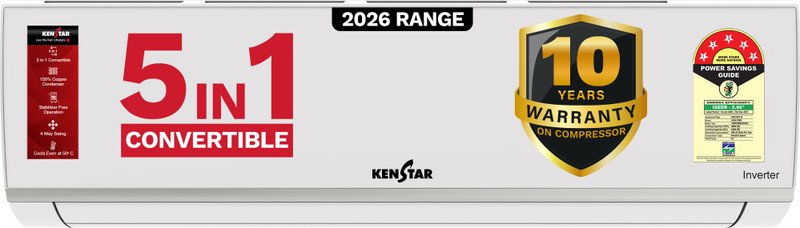
Kenstar 2026 Model 1.5 Ton 5 Star Split Inverter 5-in-1 Convertible with Rapid Cool Technology AC(155IPG26WKS, White)
Flipkart
The Kenstar 5-in-1 Convertible Inverter Split AC offers total cooling flexibility, allowing you to adjust its capacity across five distinct modes to perfectly match your room's occupancy and the outdoor temperature. This smart adaptability ensures you enjoy personalized comfort while...
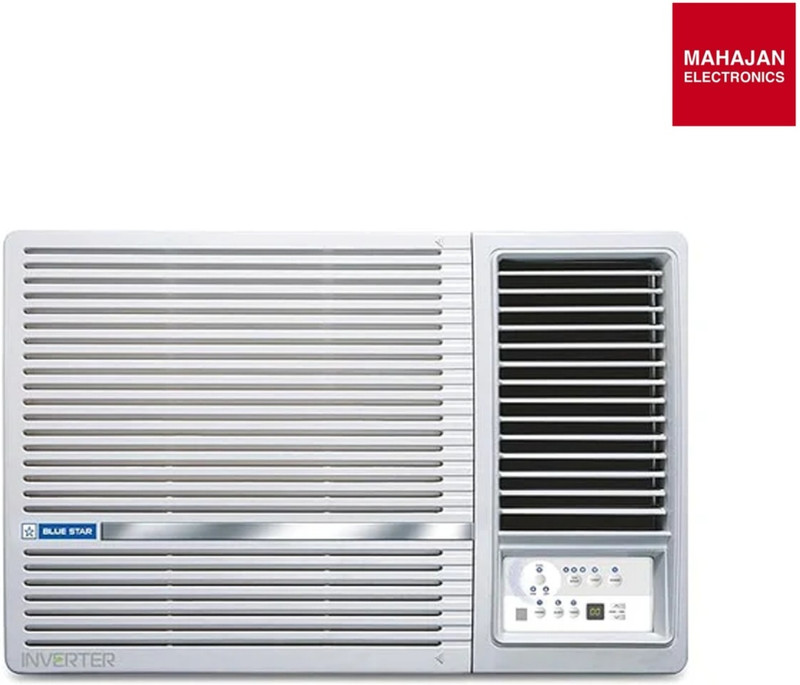
Blue Star 2025 Model 1.5 Tons 5 Star Window Inverter AC(WIA518LXU, White)
Flipkart
WIA518LXU 1.5 Ton 5 Star inverter Window Air Conditioner. Cooling capacity: 4800W. Power consumption: 950W. Refrigerant: R32. Compressor: Inverter Rotary. Condenser coil: Copper. 5-in-1 Convertible, Turbo Cool, Anti-Corrosive Blue Fins, Self Diagnosis, Stabilizer-Free Operation
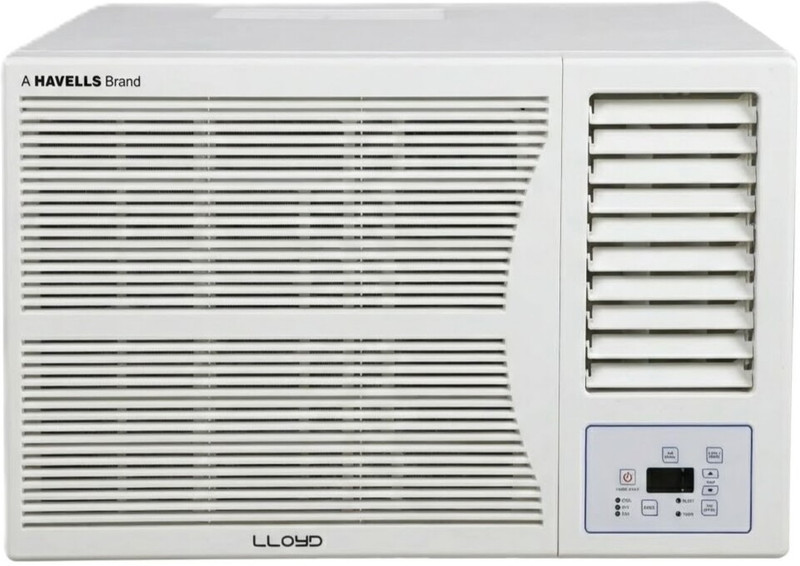
Lloyd 2025 Model 1.5 Ton 5 Star Window Inverter AC(GLW18I5FWPGA, White)
Flipkart
The Lloyd 1.5 Ton Inverter Window AC (GLW18I5FWPGA) offers efficient and powerful cooling for medium-sized rooms. Featuring inverter technology, a durable copper condenser, and a Clean Air Filter, it ensures energy savings, long-lasting performance, and cleaner air. With Sleep Mode, Auto Restart,...
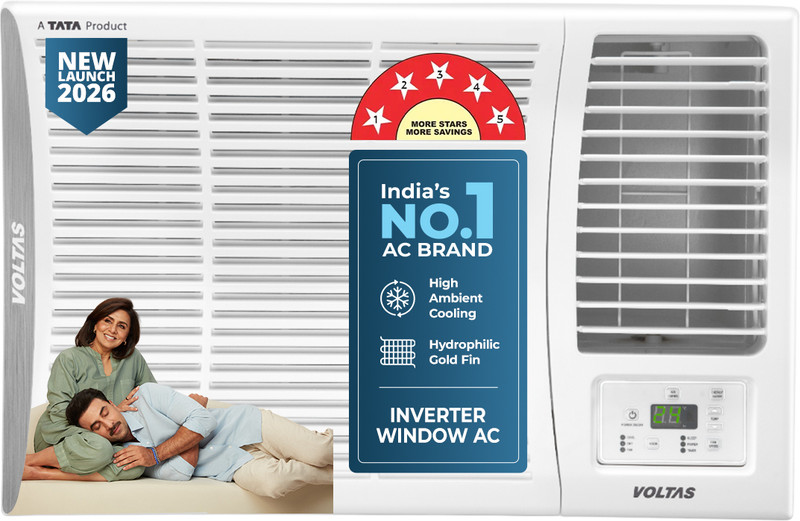
Voltas 2026 Model 1.5 Ton 5 Star Window Inverter AC(185INV ELITE(4011566), White)
Flipkart
Experience powerful and efficient cooling with the VOLTAS 185INV ELITE Inverter Window AC.
Frequently Asked Questions
Is a 5-star AC always better than a 4-star AC?
Not always. It is usually more energy-efficient, but a 4-star model may be the better fit when the AC is used lightly or the upfront price difference is significant.
Does a 5-star AC cool faster?
The star rating measures energy efficiency, not cooling speed. Cooling performance depends on capacity, room conditions, design, settings, and installation.
Will a 5-star AC lower my electricity bill?
It may use less electricity for comparable cooling, but the actual bill depends on operating hours, temperature settings, climate, electricity rates, and maintenance.
When is a 4-star AC a sensible choice?
A 4-star AC can make sense for moderate or seasonal use, especially when its lower purchase price matters and its energy-label figures remain acceptable for the household.
How should I compare annual energy use?
Read the annual consumption estimate on each energy label and compare it with your local electricity rate and expected yearly operating hours.
Does room size affect the star-rating decision?
Yes. Correct sizing is essential. An undersized AC may run excessively, while an oversized unit may cost more than necessary and manage humidity less effectively.
What else should I check besides the star rating?
Check cooling capacity, annual energy use, installation requirements, warranty, maintenance needs, noise information, and the total purchase cost.