

Key Takeaways
A 5-star AC usually uses less electricity than a 3-star model, but the better choice depends on usage, room conditions, and budget.
- A higher star rating generally indicates better energy efficiency.
- ISEER helps compare seasonal cooling efficiency more meaningfully than a star count alone.
- A 5-star AC can cost more upfront but may reduce running costs over time.
- A 3-star AC may suit occasional users or buyers with a tighter budget.
- Your actual savings depend on usage hours, temperature settings, tariff, and maintenance.
Understanding AC Star Ratings: What Do They Mean?
AC star ratings are an energy-efficiency guide used to compare how much electricity an air conditioner may consume while delivering cooling. In India, the rating system is associated with the Bureau of Energy Efficiency, with five stars indicating a more efficient category than three stars. The rating is useful, but it should be read alongside the unit’s capacity, ISEER value, and annual energy-consumption information.
A 5-star AC is not necessarily twice as powerful or guaranteed to cool a room twice as quickly. Instead, the rating broadly suggests that the unit can provide its rated cooling with less electricity under the conditions used for testing. A 3-star AC can still cool effectively when correctly sized for the room; its main disadvantage may appear in the electricity consumed over frequent or prolonged use.
For a broader explanation of the AC star-rating comparison, look beyond the number of stars and compare similar-capacity models. Two units with different capacities are not a fair comparison, and real-world bills will also vary with outdoor temperature, insulation, maintenance, and how often the compressor runs.
How Star Ratings Impact Power Consumption
Star ratings matter most when an AC runs regularly, because even a modest difference in hourly consumption can add up across a long summer. A unit used for an hour a day may not justify the same purchase decision as one used throughout the afternoon and night. That is why the focus should be on expected annual use rather than the label alone.

The energy-saving differences between 3-star and 5-star ACs are easiest to understand when both units have similar cooling capacity and are used in comparable rooms. The following measures help make that comparison more practical.
The Role of the ISEER Rating
ISEER, or Indian Seasonal Energy Efficiency Ratio, looks at cooling efficiency across a range of seasonal conditions rather than treating one operating point as the whole story. A higher ISEER generally means the AC provides more cooling for each unit of electricity consumed over the relevant testing period. It is therefore a useful number to check when comparing two models that appear similar on paper.
The star label and ISEER rating work together, but they answer slightly different questions. The stars provide a quick category-level signal, while ISEER offers a more detailed efficiency measure. Check the label for annual energy consumption as well, since that figure can make the likely running cost easier to estimate.
Energy Efficiency Explained
Energy efficiency is the relationship between cooling delivered and electricity used. A more efficient AC does not eliminate power consumption; it uses electricity more effectively while operating. Usage patterns matter most when translating that efficiency into a household bill, especially in hot weather when the unit operates for longer periods.
A simple comparison table can clarify which factors belong in the decision and which should not be treated as guarantees:
| Factor | 5-star AC | 3-star AC | Why it matters |
|---|---|---|---|
| Efficiency category | Higher | Lower | Indicates relative efficiency |
| Upfront price | Often higher | Often lower | Affects the initial budget |
| Running cost potential | Usually lower | Usually higher | Depends on hours and tariff |
| Best fit | Frequent use | Occasional or moderate use | Links the rating to your routine |
This table is a starting point, not a promise of a fixed bill reduction. Compare units with the same capacity, read their energy labels, and use your own hours of operation for a more realistic estimate.
5-Star AC: The Power-Saving Champion
A 5-star AC is usually the stronger option for households that rely on cooling for many hours each day. Its higher efficiency category can reduce electricity use over repeated operating cycles, although the amount saved depends on the specific models being compared. The higher purchase price needs to be weighed against those potential savings.
The advantage becomes more noticeable in rooms that are used every day and during long, hot seasons. It can be less meaningful for a guest room or a home where the AC runs only occasionally. Practical buying advice from Just Picked can help frame the choice around usage and total cost rather than the label in isolation.
Key Features of 5-Star ACs
The defining feature of a 5-star AC is its higher energy-efficiency rating relative to lower-rated alternatives in the same category. Buyers should still check cooling capacity, ISEER, annual electricity consumption, noise, installation requirements, and warranty terms. A high star rating does not remove the need to select the right size for the room.
It is also worth checking the product label instead of relying only on general claims about efficiency. Seasonal conditions, temperature settings, sunlight entering the room, and filter cleanliness all influence how hard the appliance has to work. In practice, efficient hardware performs best when the surrounding conditions and maintenance are sensible.
Estimated Power Savings with a 5-Star AC
There is no single saving figure that applies to every household. For an illustrative comparison, suppose a 3-star unit uses 1.2 kW while operating and a similar 5-star unit uses 1.0 kW. Used for eight hours a day over 30 days, the difference would be 48 kWh for that month before accounting for cycling, thermostat settings, and changing weather.
To turn that difference into money, multiply the saved units by your effective electricity tariff. The result is only an estimate, but it shows why regular users may recover a higher purchase premium sooner than occasional users. A careful comparison should use the two models’ label data rather than an assumed percentage.
A video explaining 3-star and 5-star AC efficiency can be useful for visualising the comparison, but it should supplement the energy label and your own usage calculation. Bills are shaped by several variables, so a general demonstration cannot predict one home’s exact result.
3-Star AC: A Budget-Friendly Alternative
A 3-star AC can be a reasonable purchase when the initial price matters more than achieving the lowest possible running cost. It may suit a room used for a few hours in the evening, a rental property, or a buyer who expects limited seasonal use. The lower rating does not mean the unit cannot cool properly when its capacity matches the room.
The trade-off is that frequent operation may make the difference in energy consumption more visible. Before choosing, compare the purchase-price gap with the likely electricity cost over the years you expect to keep the appliance. Just Picked covers buying advice and deals, which can help shoppers evaluate that broader value question without treating every household as the same.
Understanding the Trade-offs of 3-Star ACs
The central trade-off is straightforward: a 3-star model may reduce the upfront outlay, while a 5-star model may offer lower electricity consumption during comparable use. The value of that exchange depends on how often the AC runs and how much electricity costs in your area. Installation quality and maintenance can affect both types of unit, so the rating is only one part of ownership cost.
A 3-star unit may also be the practical choice when the price difference is substantial and the expected operating schedule is light. However, buyers should avoid selecting a smaller capacity simply to save money, because an undersized AC may run for longer without cooling the room comfortably. Capacity and efficiency need to be considered together.
When a 3-Star AC Might Be Sufficient
Occasional users may not gain enough electricity savings from a 5-star AC to offset its higher purchase price quickly. A 3-star model can be sufficient for bedrooms used briefly at night, rooms occupied only on weekends, or households with mild cooling needs. The decision becomes less clear when daily use stretches across many hours.
Before deciding, write down the conditions that will shape your bill:
- Estimated hours of AC use each day.
- Number of months you expect to use it.
- Room size, sunlight, and insulation.
- Local electricity tariff and billing structure.
This short list keeps the choice tied to actual circumstances. If use increases later, the lower-rated unit may cost more to operate than expected, so leave some room in the calculation for changing routines.
Calculating Your Potential Savings
The basic calculation is simple: estimate the electricity used by each AC, find the difference, and multiply it by your tariff. A rough formula is (power in kW × hours used) × electricity rate, repeated across the days or months in your estimate. Use the rated or label information for each comparable model wherever possible rather than relying on the star number alone.
For example, if one AC averages 1.1 kW and another averages 0.9 kW, the difference is 0.2 kW per operating hour. At six hours a day for 30 days, that difference equals 36 kWh in a month. Multiply 36 by your effective per-unit rate to get a rough monthly value, then adjust for seasonal use and compressor cycling.
The result should be treated as a planning estimate, not a guaranteed saving. Temperature settings, open doors, voltage conditions, filter dust, and outdoor heat can all change actual consumption. Just Picked’s reviews and buying advice can be useful alongside the label when you are comparing the full ownership picture, including price and expected usage.
Making the Right Choice for Your Needs
The answer to 5 star ac vs 3 star ac power consumption is usually the same in broad terms: a comparable 5-star AC is expected to use less electricity than a 3-star AC. That does not automatically make it the right purchase for every buyer. The best choice depends on whether lower running costs justify the higher initial price in your particular routine.
Choose based on a like-for-like comparison. Match cooling capacity first, then review ISEER, annual energy consumption, installation terms, warranty, and expected hours of use. If you use the AC daily for several seasons, the efficiency difference deserves serious weight; if usage is rare, a 3-star model may keep the total cost more balanced.
It also helps to compare real offers rather than list prices alone. Check the final purchase and installation cost, estimate annual consumption, and consider how long you expect to keep the unit. Just Picked brings product news, reviews, buying advice, and deals together, giving shoppers another place to research before committing.
Conclusion
A 5-star AC generally saves more power than a comparable 3-star model, particularly when it runs for long hours, but the upfront price and your usage pattern decide whether those savings are worth it. Compare capacity, ISEER, label data, tariff, and expected hours of use before choosing.
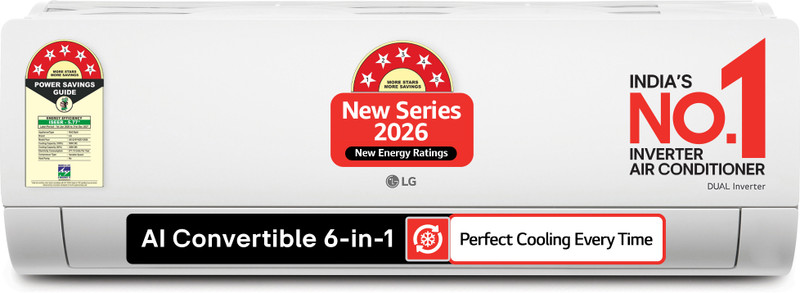
LG 2026 Model 1.5 Ton 5 Star Split Smart Inverter Faster Cooling and Energy Saving, AI Convertible 6-in-1 Cooling, HD...
 Flipkart
The LG AS-Q19YNZE1 1.5 Ton 5-Star Split AC is a cutting-edge cooling solution that seamlessly integrates artificial intelligence with high-performance engineering for the modern smart home. At its core, the advanced Single Inverter Compressor works in harmony with AI+ Convertible 6-in-1...
Godrej 2026 Model 1.5 Ton 5 Star Split Inverter AC(HIC 18J5TG, White)
Flipkart
Godrej Split Air Conditioner 1.5 Ton 3 Star Inverter 18J5TG WA, 5 in 1 Convertible, AI Technology, 2 Way Swing, 52°C Heavy Duty Cooling
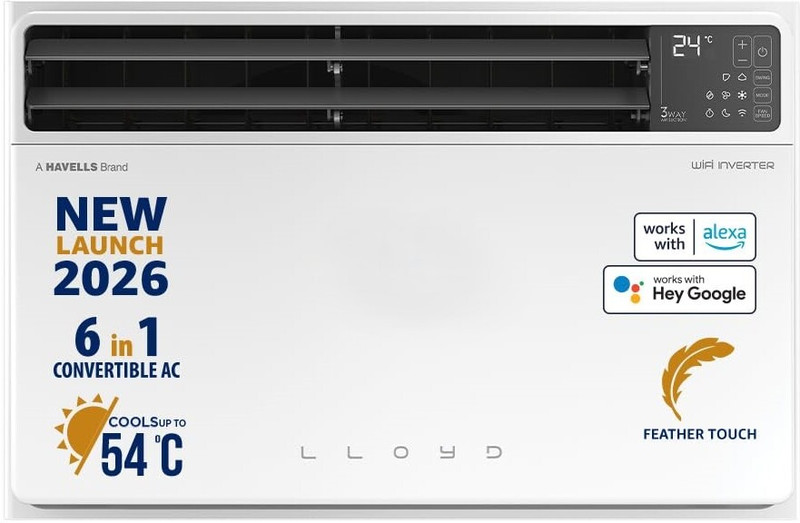
Lloyd 2026 Model 1.5 Ton 5 Star Window Inverter with Wi-fi AC(GLW18V5AGTPR, White)
Flipkart
Lloyd 1.5 Ton 5 Star Window AC (Copper, Convertible 6-in-1 cooling, Clean Air Filter,GLW18V5AGTPR , White)
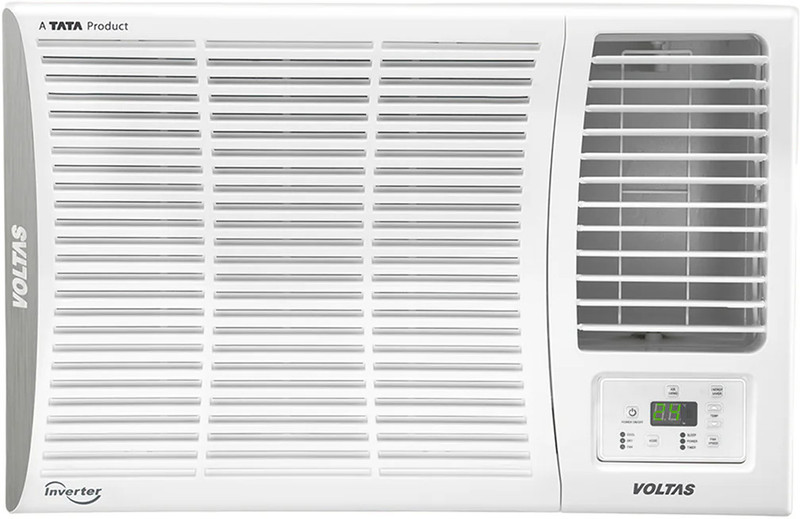
Voltas 2026 Model 1.5 Ton 5 Star Window Inverter AC(185INV ELITE, White)
Flipkart
Meet the Voltas Elite 1.5 Ton 5 Star Inverter Window Room AC smart, space‑saving cooling with premium efficiency. Its inverter technology modulates compressor speed for consistent temperatures and quieter operation, helping reduce power consumption along with its 5 Star rating. Built for Indian...
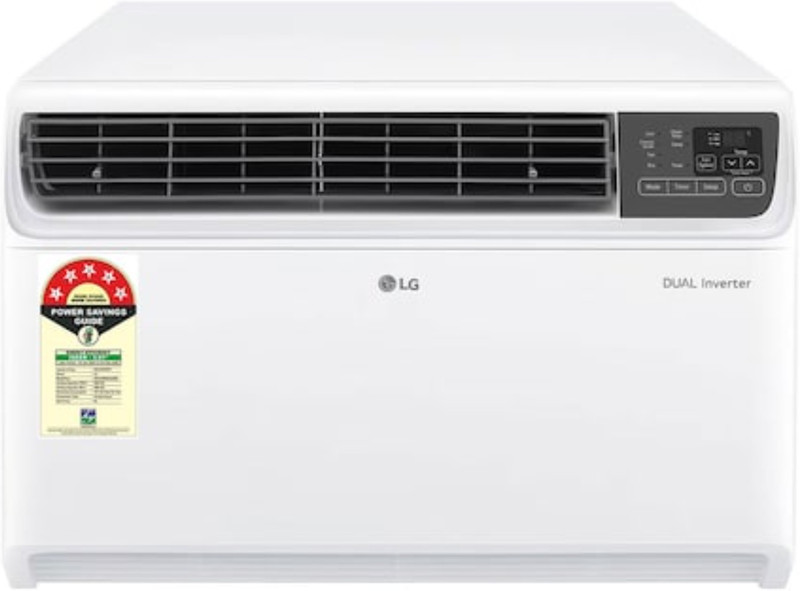
LG 2026 Model 1.5 Ton 5 Star Window Dual Inverter AC(AW-Q18WUZA.ASLG(W), White)
Flipkart
Frequently Asked Questions
Is a 5-star AC always better than a 3-star AC?
Not always. It is generally more energy-efficient, but a 3-star AC may be the better financial choice for occasional use or a tighter initial budget.
Does a 5-star AC cool faster?
Star ratings mainly describe energy efficiency, not guaranteed cooling speed. Cooling performance also depends on capacity, room size, outdoor temperature, and installation.
How much electricity can a 5-star AC save?
There is no universal figure. Savings depend on the models, operating hours, thermostat settings, weather, maintenance, and local electricity tariff.
What is ISEER in an air conditioner?
ISEER is a seasonal efficiency measure that relates cooling output to electricity consumption across specified operating conditions. A higher value generally indicates better efficiency.
Is a 3-star AC suitable for a bedroom?
It can be suitable if the capacity matches the bedroom and the unit is used moderately. Consider a higher-rated model if it will run for many hours every day.
Does room size affect AC power consumption?
Yes. A correctly sized AC can cool more effectively, while an undersized unit may run for longer. Sunlight, insulation, occupancy, and door openings also affect consumption.
Can maintenance reduce an AC’s electricity use?
Regular filter cleaning and proper servicing can help the unit operate as intended. Maintenance cannot change the star rating, but neglect may make cooling less efficient.