

Key Takeaways
A first birthday gift can be playful, practical, sentimental, or a mix of all three. The best choice fits the child’s current abilities while leaving room for safe exploration.
- Choose a gift suited to a one-year-old’s abilities and surroundings.
- Check for sturdy construction, safe materials, and age guidance.
- Favor toys and books that invite movement, language, and hands-on play.
- Consider whether the gift will remain useful as the child grows.
- Personal touches can make a simple present especially memorable.
Why First Birthday Gifts Are Special
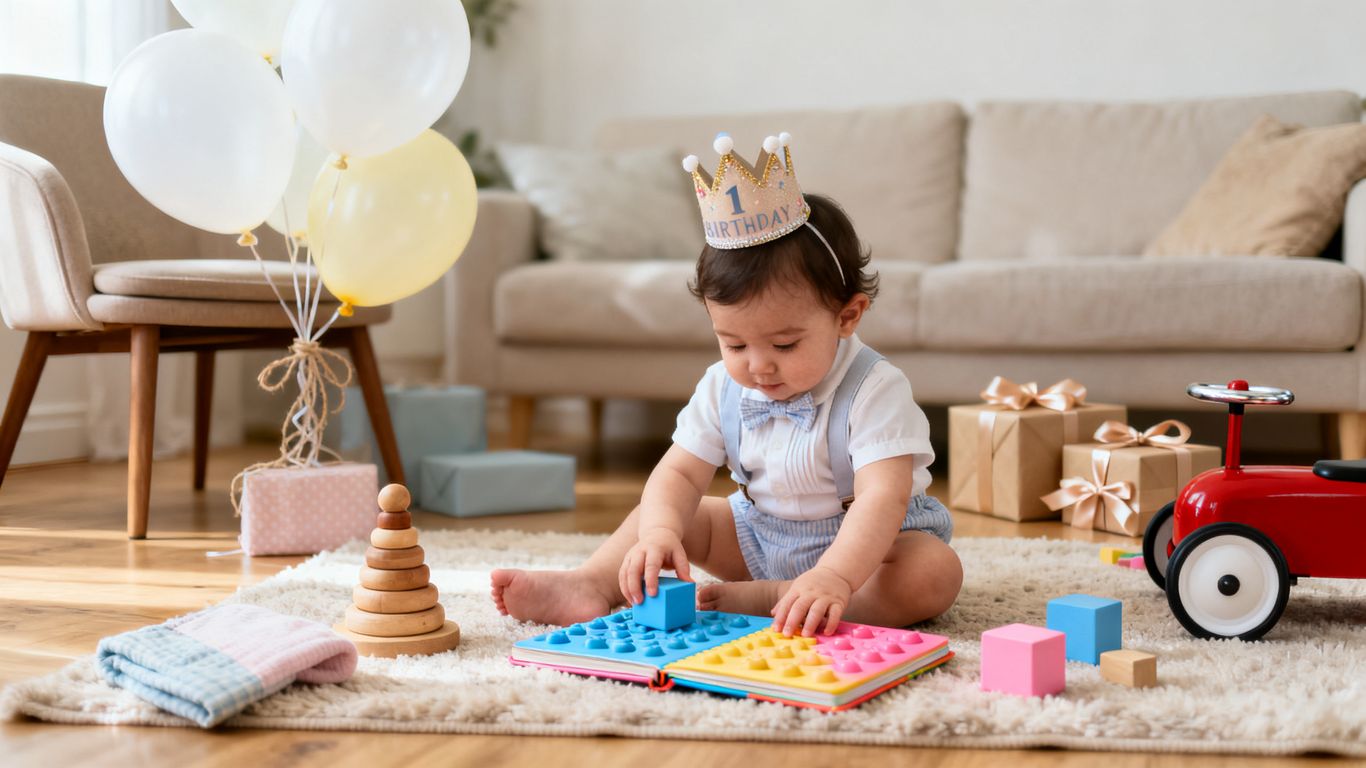
A first birthday marks more than another year on the calendar. It is a moment when a baby is becoming more mobile, curious, expressive, and eager to participate in everyday life. That makes choosing a present feel meaningful, even when the child is just as happy with the wrapping paper.
The most successful first birthday gift ideas tend to meet the child where they are. A board book may become part of a bedtime routine, while stacking cups or a simple activity toy can turn ordinary floor time into practice with grasping, sorting, and coordination. These gifts do not need to be complicated to be valuable.
There is also a sentimental side to the occasion. A personalized keepsake, a favorite story saved for later, or a toy that becomes part of family play can preserve the feeling of this milestone. Just Picked brings together news, reviews, buying advice, and deals, so families can compare practical options without losing sight of the personal meaning behind the gift.
Choosing the Right Gift: Key Considerations
A good present starts with the child, not the trend cycle. Think about what the child can do now, where the gift will be used, and whether a parent or caregiver can easily supervise play. The right choice should feel enjoyable in the moment and sensible in the home.
The details below can make gift shopping less guesswork and more deliberate. They are especially useful when several presents look appealing but differ in how well they suit a newly mobile child.
Age Appropriateness
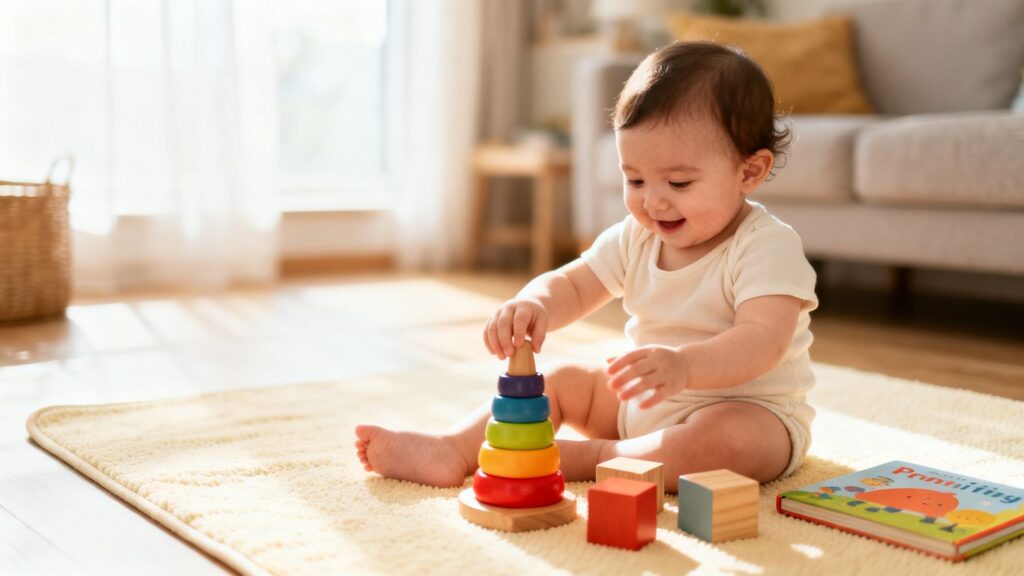
Age labels are a useful starting point, but they are not the only consideration. A one-year-old may be crawling, cruising, walking, mouthing objects, or doing a combination of these things, so the child’s individual stage matters. Look for toys that offer a manageable challenge without requiring skills they have not begun to develop.
Read the manufacturer’s guidance and consider the child’s typical play habits. A toy designed for seated exploration may be a better fit for one child, while another may be ready for a supervised push toy or a larger construction activity. If siblings will also play with the gift, check that its pieces are appropriate for the youngest child in the room.
Safety First!
Safety should shape the decision before color, novelty, or price. Inspect the toy for loose pieces, sharp edges, accessible batteries, and parts small enough to create a choking hazard. Materials should be easy to clean, especially for gifts that will be handled during meals or explored by mouth.
A short pre-purchase check is often enough to catch practical concerns:
- Confirm the recommended age range and any supervision guidance.
- Look for securely attached parts and smooth, rounded surfaces.
- Check that cords, straps, magnets, and batteries are safely enclosed.
- Consider whether the toy is stable on the floor and suitable for the play space.
After that check, remember that supervision still matters. Even an age-appropriate toy can become unsafe when used in an unintended way, placed near stairs, or shared with older children’s small accessories.
Developmental Benefits
At this age, play supports learning through repetition. Filling and emptying, turning pages, pushing, stacking, pointing, and making sounds all give children ways to practice coordination and communication. A gift does not need to announce an educational purpose to support development; open-ended play often provides the richest use.
Choose something that encourages interaction rather than simply displaying lights or sounds. Caregivers can add language by naming colors, animals, and actions, or by taking turns. For more ideas organized around movement, language, and pretend play, browse this developmental gift guide alongside the child’s interests.
Durability and Longevity
Durability is partly about materials and partly about how many ways a gift can be used. A sturdy book may survive years of shared reading, while a set of large nesting pieces can become a stacking game, a sorting activity, or part of pretend play. Long-term play value can matter more than a large number of features.
A simple comparison can help clarify what you are buying:
| Gift feature | Useful question | Why it matters |
|---|---|---|
| Construction | Does it feel sturdy and stable? | It may withstand repeated handling and drops. |
| Flexibility | Can it be used in more than one way? | Multiple play patterns can extend interest. |
| Maintenance | Can caregivers clean it easily? | Easy care makes regular use more practical. |
| Storage | Will the pieces stay together? | Fewer lost parts means less frustration. |
Use the answers to judge the whole gift rather than focusing on a single selling point. Just Picked’s buying advice can help shoppers weigh reviews and everyday practicality, while its deals coverage may help compare prices when the same type of gift appears in several versions.
Top First Birthday Gift Categories
The strongest gift category depends on the child and the family’s routines. Some children want to move constantly; others settle happily with books, containers, or a toy they can investigate at their own pace. A useful guide should offer variety without suggesting that every child needs the same present.
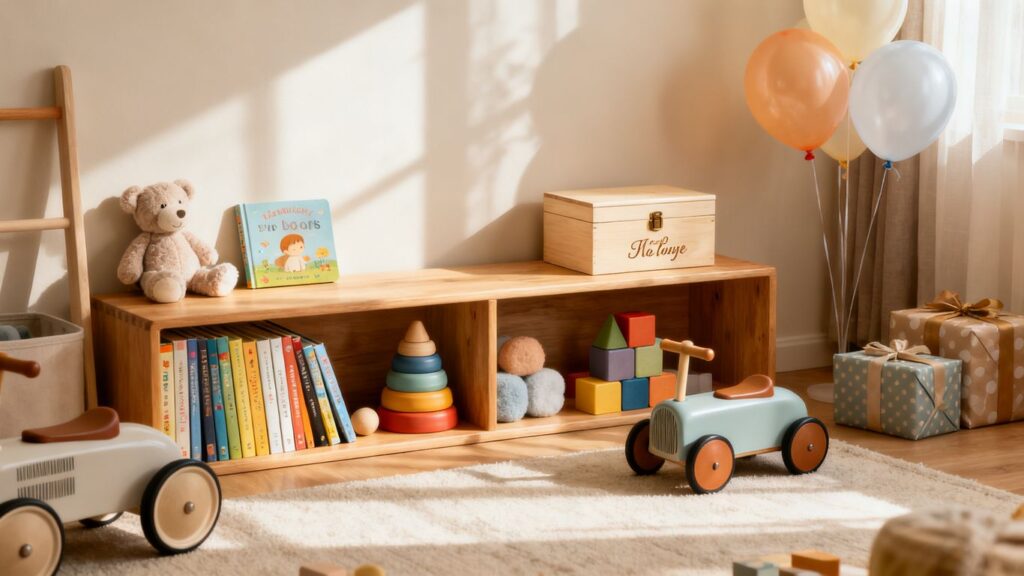
The categories below cover common ways to combine enjoyment with everyday usefulness. For another broad collection of options, this guide to gifts for one-year-olds offers additional ideas to compare.
Developmental Toys (0-12 Months Focus)
Developmental toys for this stage often involve simple actions and clear responses. Large stacking pieces, nesting cups, soft blocks, shape activities, and musical objects can support grasping, coordination, cause-and-effect learning, and early problem-solving. Choose pieces that are large enough to handle safely and easy for an adult to inspect.
The best option is usually one that allows the child to lead. A caregiver can demonstrate once, then let the child knock down the tower, shake the object, or try a different arrangement. This selection of learning-focused gifts also highlights adaptable activities such as nesting play and chunky art materials.
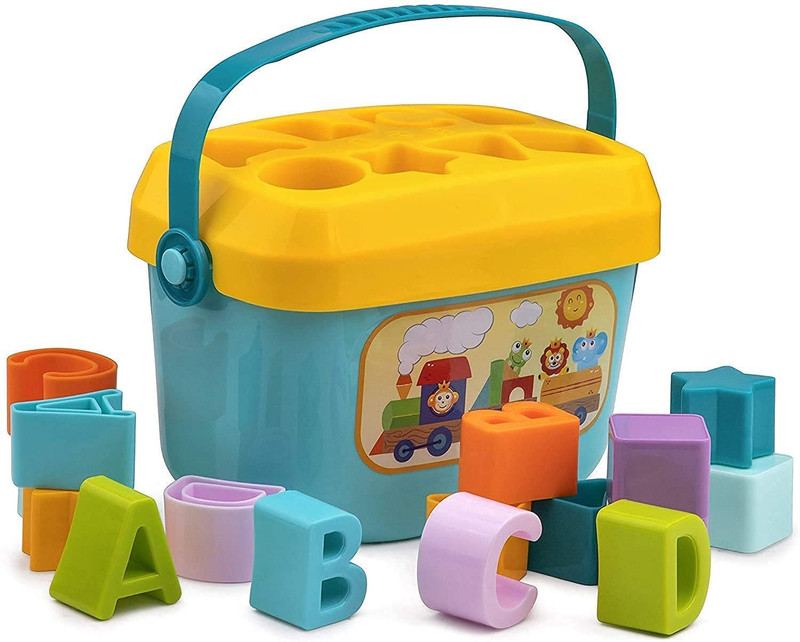
VELLIQUE Shape Sorter Baby and Toddler Toy Shape Developmental Toy for Children 18 Month+(Multicolor)
 Flipkart
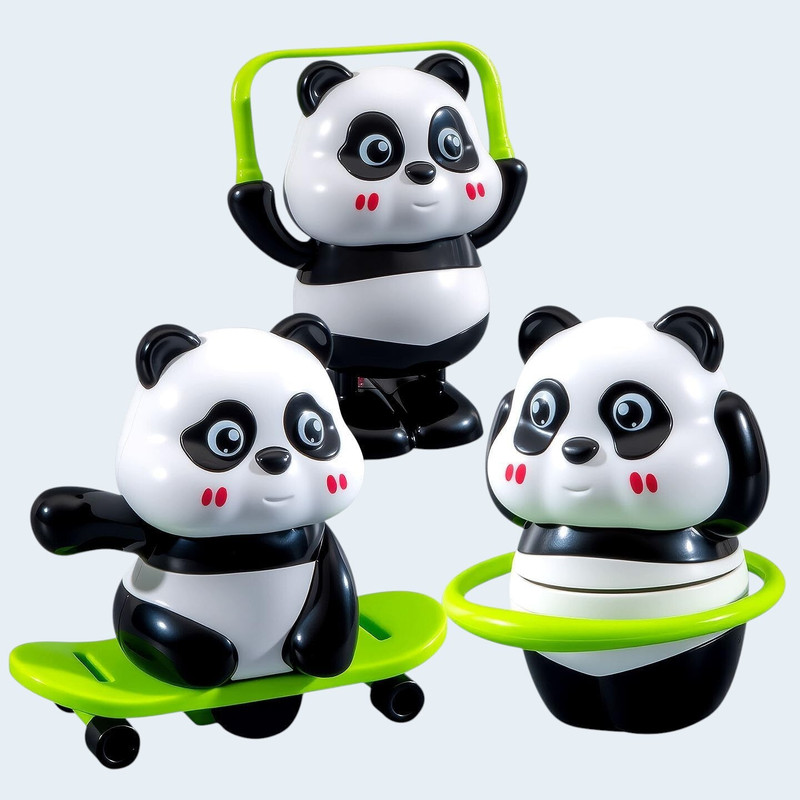
Maa Momai Toys Panda Developmental Toy Set for Babies 18 Months+(Multicolor)
Flipkart
Make playtime fun and educational with this Panda Play Set 3PCS Baby Toy Combo. Featuring a cute panda-themed roller, spinner, and rocking toy, this set helps improve hand-eye coordination, fine motor skills, sensory development, and cognitive learning. Made from durable, non-toxic, child-safe...
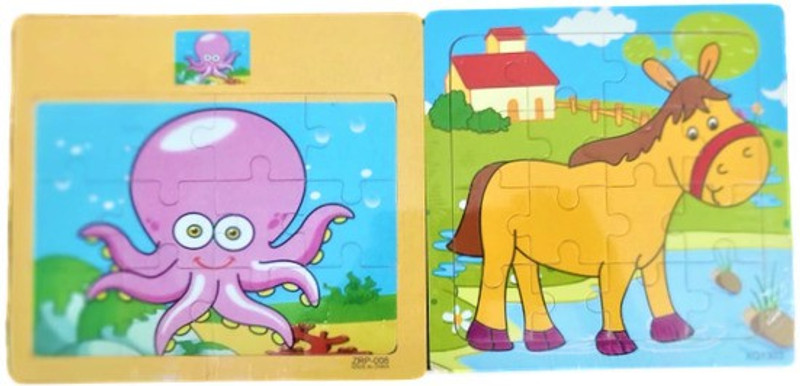
HOIVA (PACK OF 2)Wood Developmental Toy for Infants and Toddlers Aged 1 to 3 Years(Multicolor)
Flipkart
Puzzles and Educational Toys are Non-toxic Eco friendly product which is durable and safe to play for your children. Puzzle games do more than just enticing kids with interesting shapes and bright colors. Kids have to place these cut out pieces into their respective places accordingly. This...
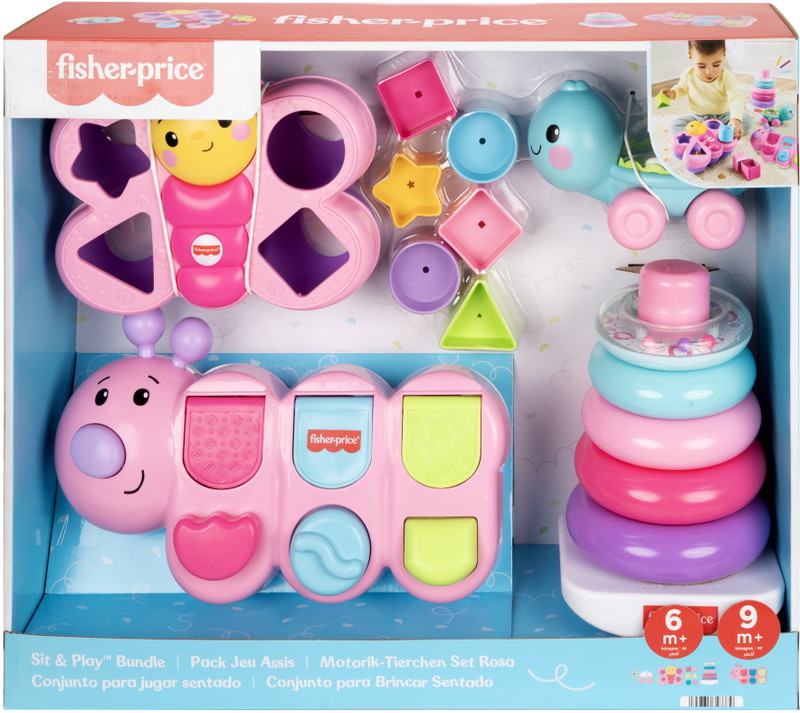
FISHER-PRICE Sit & Play Bundle, Baby Gift Set of 4 Developmental Activity Toys(Multicolor)
Flipkart
The Sit & Play Bundle gift set from Fisher-Price features 4 classic activity toys to keep your baby engaged all playtime long! The Rock-a-Stack ring stacker helps foster fine motor skills and problem-solving as little ones grasp and stack the 5 rings on the rocker base. The exciting popping...
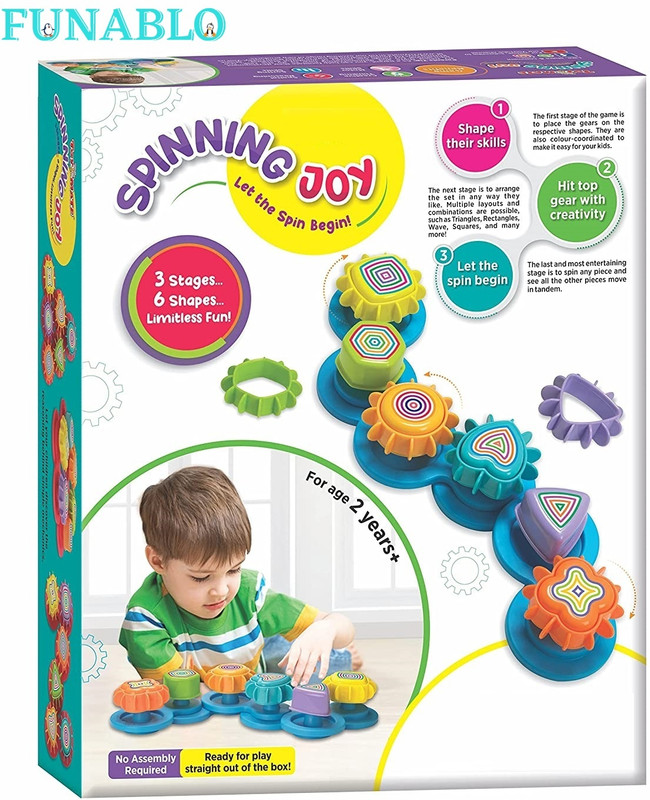
FUNABLO Spinning Joy - A Shape ‘N’ Spin Gear Sorter. A Developmental Activity.(Multicolor)
Flipkart
The pieces are specially designed for little hands to grasp and easily fit on the base.Regardless of the base layout, the gears will always spin, much to your toddler's delight, and enabling frustration-free playing and learning.
Books for Little Readers
Board books make dependable first birthday presents because they can be enjoyed in short bursts. Look for sturdy pages, expressive pictures, familiar objects, rhythm, or interactive details such as flaps that are securely made. The subject matters less than whether the book invites a child and caregiver to look, point, name, and repeat.
Reading together also makes the gift feel less like an object and more like a shared ritual. A child may not follow a story yet, but they can recognize a favorite image, turn a page, or anticipate a repeated sound. Keep a few books within reach and let the child revisit the same one often.
Ride-On Toys and Push Cars
Ride-on toys and push cars can appeal to children who are practicing balance or becoming interested in moving through a room. They need generous floor space, a stable design, and close adult supervision. A push toy should not be treated as a walking aid, and a ride-on should be used only when the child meets its guidance and can be positioned safely.
Think about the home before buying. Hard floors, steps, furniture corners, and crowded rooms can change whether a large moving toy is enjoyable or difficult to manage. If space is limited, a smaller push-along object or a stationary activity may provide a similar sense of participation.
Personalized Gifts
Personalized gifts can carry emotional weight without needing to be elaborate. A blanket, name puzzle, keepsake book, or dated memory box may become part of the child’s room or family story. When selecting one, check the spelling carefully and make sure personalization does not add loose decorations, long cords, or other avoidable hazards.
It is also worth separating a keepsake from a daily-play gift. A delicate item can be lovely when reserved for display, while an everyday toy should be sturdy enough for ordinary handling. This first birthday present roundup includes both sentimental directions and activity-oriented ideas for families choosing between the two.
Gifts That Grow with Them
A gift that grows with a child does not have to be designed for every age. It simply needs to remain interesting as the child’s abilities change. A set of large pieces might begin as a sensory activity, then become a stacking challenge, a sorting game, or a prop in pretend play several months later.
Books can grow in a different way. At first, an adult may do most of the reading and pointing; later, the child may name pictures, complete repeated phrases, and choose the story. Open-ended toys work similarly when caregivers resist demonstrating only one “correct” use and leave room for experimentation.
When comparing options, ask what the child might do with the gift in three months, then six months. Just Picked offers reviews and buying advice for consumers making those comparisons, along with product deals where available. A thoughtful choice is not necessarily the biggest or most expensive one—it is the present that fits the child’s life and keeps inviting them back.
Conclusion
The best first birthday gift is safe, appropriate, and easy to enjoy together. Whether you choose a sturdy book, an adaptable toy, a supervised push car, or a personal keepsake, focus on the child’s current stage and the family’s everyday space. A simple gift with room for repetition and discovery can become part of a very memorable year.
Frequently Asked Questions
What is a good first birthday gift?
A good first birthday gift is age-appropriate, safe, and engaging without being overly complicated. Board books, large-piece stacking toys, nesting cups, and sturdy musical or sensory toys are common choices.
Should I buy an educational toy for a one-year-old?
You do not need to choose a toy marketed as educational. Gifts that encourage grasping, movement, imitation, sorting, listening, or shared play can support development while still feeling like ordinary fun.
Are books suitable for a first birthday?
Yes. Choose durable board books with clear illustrations, familiar subjects, repetition, or interactive features made for young children. The real value comes from reading and looking at the book together.
Are ride-on toys safe for one-year-olds?
They can be suitable when the child meets the manufacturer’s guidance and an adult supervises closely. Check stability, floor space, nearby hazards, and whether the child can sit or push confidently before use.
How can I choose a gift that lasts?
Look for sturdy construction, easy cleaning, and more than one possible use. A toy or book that can shift from simple exploration to more involved play is more likely to stay interesting.
Is a personalized gift a good idea?
Personalized gifts can be meaningful, particularly when they are durable and practical. Confirm names and dates carefully, and check that decorative details do not create safety concerns.
How much should I spend on a first birthday gift?
There is no required amount. Set a budget that feels comfortable, then prioritize safety, suitability, and how naturally the gift fits the child’s interests and home environment.