Signs Your Skin Barrier May Be Compromised: How to Recognize Damage and Support Skin Recovery


Key Takeaways
Your skin barrier helps keep moisture in and irritants out, so changes in comfort can be useful clues. Most mild irritation improves with a simpler routine, but persistent or severe symptoms deserve professional attention.
- Dryness, tightness, stinging, redness, and sudden sensitivity can signal barrier stress.
- Over-exfoliation, harsh cleansing, friction, and environmental exposure are common triggers.
- A gentle cleanser, moisturizer, and daily sunscreen can support recovery.
- Reintroduce active ingredients slowly instead of returning to your full routine at once.
- Swelling, hives, infection, or ongoing inflammation calls for medical advice.
- What the skin barrier does
- Signs your skin barrier may be compromised
- Common causes of skin barrier damage
- How to distinguish barrier damage from other skin concerns
- How to support skin barrier recovery
- Ingredients that can help strengthen the barrier
- When to seek professional advice
- Conclusion
- Frequently Asked Questions
What the skin barrier does
Your skin barrier is the outermost part of your skin, often called the stratum corneum. It is made of skin cells and lipids arranged in a structure that helps hold the surface together. When it works well, your skin is better able to manage moisture and daily exposure to the outside world.
The outer layer’s role in moisture retention
The outer layer slows the movement of water from deeper skin toward the surface. Natural lipids help fill the spaces between skin cells, while the surface limits evaporation. When that structure is disrupted, you may lose water more quickly and notice tightness, roughness, or persistent dryness.
How the barrier protects against irritants
A healthy barrier is also a physical boundary. It helps reduce the penetration of irritating substances, allergens, and microbes while supporting the skin’s normal defenses. This does not make your skin impervious, but it can make everyday exposure less disruptive.
Why a healthy barrier supports balanced skin
Comfortable skin is not necessarily flawless skin. A functioning barrier can help your skin stay more resilient when you wash, apply products, encounter weather changes, or experience ordinary friction. When the surface is unsettled, products that once felt fine may suddenly burn or leave you flushed.
Factors that can weaken barrier function
Barrier function can shift for many reasons, including repeated cleansing, strong exfoliation, dry air, sun exposure, and underlying skin conditions. Your routine matters, but so do your surroundings and habits. Even water quality may affect how cleansing feels; a guide to hard water signs can help you think through chalky buildup and other household clues without assuming they explain every skin symptom.
Signs your skin barrier may be compromised
Signs Your Skin Barrier May Be Compromised can look different from person to person. You might notice one clear change, or several mild changes arriving together after a new product, a period of over-treatment, or a shift in weather. The pattern and timing are often more useful than any single symptom.
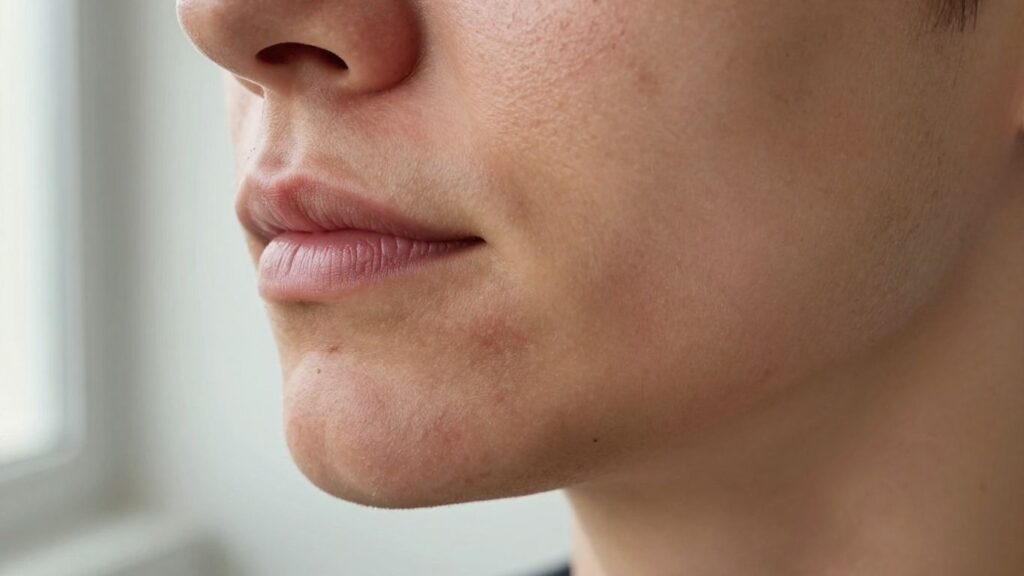
Persistent dryness, tightness, or rough texture
Skin that feels tight soon after cleansing, looks flaky, or stays rough despite moisturizer may be signaling increased water loss. You may also notice that foundation catches on uneven patches. Ordinary dryness can be temporary, but repeated discomfort suggests that your routine may need a gentler approach.
Stinging when applying familiar products
A sudden sting from a cleanser or moisturizer you have used comfortably before is a meaningful change. It does not prove barrier damage on its own, since allergies and other conditions can also cause burning. Still, pausing recently added products and observing the pattern can help you avoid adding more irritation.
Redness, flaking, or visible irritation
Redness and flakes often appear when the surface is inflamed or shedding unevenly. The affected area may feel warm, itchy, or tender, particularly around the nose, cheeks, or mouth. If the redness spreads, becomes painful, or produces fluid or crusting, do not treat it as a simple skincare setback.
Increased sensitivity and reactivity
You may find that fragrance, weather, shaving, or a familiar active ingredient suddenly causes discomfort. Increased reactivity often means your skin has less tolerance for several stresses at once. Keep a brief note of what you applied and when symptoms appeared; that record can make patterns easier to see.
Breakouts or changes in skin behavior
A compromised barrier can coincide with small bumps, clogged-looking areas, or breakouts, especially when you respond by adding more drying products. Avoid assuming every blemish means you need stronger treatment. The most helpful first step may be reducing irritation rather than escalating it.
Common causes of skin barrier damage
Barrier stress usually develops through accumulation rather than one dramatic mistake. A product can be suitable in isolation but too frequent when combined with several other active steps. Your goal is to identify what changed and reduce the total load on your skin.
Over-exfoliation and harsh active ingredients
Scrubs, exfoliating acids, retinoids, and other strong ingredients can be useful when introduced thoughtfully. Used too often, layered together, or applied to already-irritated skin, they may increase dryness and sensitivity. More tingling is not evidence that a product is working better.
Excessive cleansing or hot water exposure
Frequent washing, vigorous lathering, and very hot water can remove surface oils and leave skin feeling stripped. A long shower may feel relaxing, but it can be less comfortable for already-dry skin. Use lukewarm water and keep cleansing focused on what actually needs cleansing.
Environmental stressors and seasonal changes
Cold wind, low humidity, strong sun, indoor heating, and air conditioning can all challenge moisture retention. A routine that feels fine in humid weather may need adjustment during winter or travel. Sunscreen and a suitable moisturizer remain useful even when dryness is your main concern.
Friction, picking, and other physical irritation
Washcloths, rough towels, tight masks, shaving, and repeated touching can disturb a tender surface. Picking at flakes or bumps can extend inflammation and create small breaks in the skin. Try patting rather than rubbing and give irritated areas time to settle.
Underlying skin conditions and lifestyle factors
Eczema, rosacea, acne treatments, and contact dermatitis can all affect how your barrier feels. Stress, poor sleep, and very dry surroundings may make symptoms harder to manage, although they are not simple explanations for every flare. A practical shopping guide can help you compare products by ingredients and fit rather than choosing by name alone; see these beauty and personal care deals when you are ready to review options.
How to distinguish barrier damage from other skin concerns
Dryness and sensitivity are clues, not a diagnosis. Several conditions overlap in appearance, and the same person can have barrier disruption alongside acne, eczema, or an allergic reaction. Look at onset, location, associated symptoms, and whether the problem improves after removing obvious irritants.
Barrier damage versus ordinary dryness
Ordinary dryness may feel uncomfortable but often improves with a consistent moisturizer and gentler washing. Barrier stress is more likely when dryness comes with stinging, sudden reactivity, flaking, or redness after products you previously tolerated. These distinctions are not absolute, so avoid using them as a substitute for an examination.
Barrier damage versus acne or clogged pores
Acne tends to involve recurring clogged pores, inflamed spots, or lesions in familiar areas. Barrier irritation may produce roughness and small bumps across a wider area, particularly after aggressive cleansing or exfoliation. If you treat every rough patch with more acids or scrubs, you may prolong the problem.
Barrier damage versus allergic or contact reactions
A contact reaction may appear after exposure to a particular ingredient and can include intense itching, a rash, swelling, or sharply defined areas. Barrier damage often develops more gradually, though the two can overlap. Stop a suspected new product and seek advice if symptoms are strong, spreading, or difficult to control.
When symptoms may point to eczema or rosacea
Persistent itch, recurrent patches, facial flushing, visible vessels, or symptoms around the eyes may point toward a condition that needs more than routine changes. Eczema and rosacea have different patterns and treatments, even when both involve redness or sensitivity. Avoid copying a routine designed for someone else’s diagnosis.
Why a diagnosis may require a dermatologist
A dermatologist can examine the distribution and character of your symptoms, review your product history, and consider conditions that look similar. You may need targeted treatment, patch testing, or advice about prescription ingredients. For additional background, this damaged skin barrier guide offers a useful overview, but online reading cannot confirm what is happening on your skin.
How to support skin barrier recovery
Recovery usually comes from reducing irritation consistently rather than adding a complicated repair routine. Give your skin a short period with fewer variables, then watch whether comfort, redness, and texture improve. Consistency matters more than intensity when the surface is already reactive.
Simplifying your routine temporarily
Set aside nonessential steps while your skin settles. Keep only the products you can identify clearly and tolerate comfortably, and avoid testing several new formulas at once. A simple routine also makes it easier to identify the product or habit that may have triggered the change.
Choosing a gentle, low-irritation cleanser
Choose a cleanser that removes what you need without leaving a tight, squeaky feeling. Use lukewarm water, avoid scrubbing, and cleanse only as often as your skin requires. If morning cleansing worsens dryness, some people prefer a water rinse, though your needs may differ.
Applying moisturizer to reduce water loss
Apply moisturizer while skin is slightly damp to help reduce surface water loss. Look for a formula that feels comfortable and does not sting, then use enough to cover the affected area without repeated rubbing. If one product burns, stop using it rather than trying to push through the sensation.
Using sunscreen to protect healing skin
Sun exposure can worsen visible redness and prolong discomfort, particularly when your skin is already irritated. Use a broad-spectrum sunscreen that you can tolerate and reapply as appropriate for your exposure. A hat and shade can add protection when sunscreen application itself feels uncomfortable.
Reintroducing active ingredients gradually
Once your skin feels comfortable again, reintroduce one active product at a time. Start less often than before and wait to see how your skin responds before adding another change. These steps make it easier to identify which ingredient is useful and which one is too irritating right now.
A simple reset can be easier to follow when you write it down. For example, you might track the following rather than changing everything at once:
- The products used and the time of application.
- Any stinging, itching, redness, or tightness afterward.
- Weather, sun exposure, shaving, or unusual friction.
- The date you restart each active ingredient.
This kind of record turns vague discomfort into a clearer timeline. If symptoms continue, bring the notes and product labels to a healthcare professional.
Ingredients that can help strengthen the barrier
Ingredients are tools, not guarantees. A formula’s full composition, concentration, texture, and your own sensitivity all matter. Introduce supportive ingredients patiently, and remember that a product marketed for barrier care can still irritate you.
Ceramides and other skin-identical lipids
Ceramides, cholesterol, and fatty acids are naturally associated with the skin’s protective lipid structure. Moisturizers containing these ingredients may help support a dry, disrupted surface. Read the label and judge the formula by how your skin tolerates it, rather than assuming one ingredient determines the entire product’s effect.
Humectants such as glycerin and hyaluronic acid
Humectants attract and hold water near the skin’s surface. Glycerin and hyaluronic acid are common examples, and they can make a moisturizer feel more hydrating. They work best as part of a complete formula, especially when followed by ingredients that reduce water loss.
Occlusives that lock in moisture
Occlusives form a surface layer that slows evaporation. Petrolatum, mineral oil, and certain waxes or silicones may serve this role, depending on the product. A richer texture can be helpful at night or on dry patches, but use a manageable amount so the routine remains comfortable.
Soothing ingredients for visible irritation
Ingredients such as colloidal oatmeal, panthenol, and allantoin are often included in products designed for comfort. Even soothing formulas can contain fragrances or other components that do not suit you. Patch-testing a new product on a small area can be a sensible precaution.
Ingredients to pause during recovery
When your skin is stinging or visibly inflamed, consider pausing exfoliating acids, scrubs, retinoids, strong acne treatments, and fragranced products. This is temporary caution, not a claim that these ingredients are always harmful. Once your skin is stable, you can discuss a careful return to treatment with a professional.
| Ingredient group | What it may support | Practical caution |
|---|---|---|
| Ceramides and lipids | Surface structure and moisture retention | Choose a comfortable, well-tolerated formula |
| Humectants | Water-attracting hydration | Pair with a moisturizer that limits evaporation |
| Occlusives | Reduced water loss | Rich textures may feel heavy for some people |
| Soothing agents | Comfort during visible irritation | Check the full ingredient list for triggers |
The table is a starting point, not a shopping prescription. If your skin reacts to a product, discontinue it and consider whether a clinician can help identify the cause.
When to seek professional advice
Mild dryness may improve after you remove obvious irritants and simplify your routine. Symptoms that worsen, recur, or interfere with daily life deserve more attention. You do not need to wait until your skin is severely uncomfortable before asking for help.
Symptoms that persist despite a gentle routine
Arrange professional advice if dryness, stinging, itching, redness, or flaking continues despite several days or weeks of a gentle routine. Repeated flares may reflect an underlying condition, an allergy, or a product that remains in your routine unnoticed. A clinician can help you avoid trial-and-error treatment.
Signs of infection or severe inflammation
Seek prompt care for increasing warmth, pain, swelling, pus, spreading redness, yellow crusting, fever, or rapidly worsening inflammation. These signs may indicate infection or a more serious inflammatory response. Do not rely on cosmetic products to manage those symptoms.
Reactions involving swelling, hives, or breathing difficulty
Sudden swelling of the lips, face, or throat, widespread hives, dizziness, or breathing difficulty can signal a serious allergic reaction. Seek emergency help immediately. Stop exposure to a suspected product if you can do so safely, but do not delay urgent care.
How a dermatologist can identify the underlying cause
A dermatologist may assess your skin in person, ask about timing and exposures, and distinguish irritation from allergy or a condition such as eczema or rosacea. They can recommend appropriate treatment and explain which products or ingredients to avoid. That individualized context is especially valuable when symptoms keep returning.
What to ask about treatment and product choices
Bring a list or photographs of your products and ask which steps to pause, which ingredients may be appropriate, and when to restart active treatments. Ask how long improvement should take and what warning signs require follow-up. If you are comparing products online, Promo Deals can help you find offers in one place, but a discount should never outweigh suitability or medical guidance.
Conclusion
Your skin barrier often communicates through changes in comfort: tightness, stinging, redness, flaking, sensitivity, or unexpected breakouts. By simplifying your routine, protecting your skin, and reintroducing products slowly, you can support recovery while staying alert to symptoms that need professional care.
Frequently Asked Questions
What is the skin barrier?
The skin barrier is the outermost layer of skin that helps retain moisture and limit the entry of irritants, allergens, and microbes.
What are common signs of a compromised skin barrier?
Common signs include persistent dryness, tightness, rough texture, stinging, redness, flaking, increased sensitivity, and changes in breakouts.
How long does skin barrier recovery take?
Recovery varies with the cause and severity. Mild irritation may improve after a simpler routine, while ongoing or recurring symptoms may require professional treatment.
Should you stop all skincare products during recovery?
You usually do not need to stop everything, but reducing your routine to gentle, familiar products can help. Avoid anything that stings or seems to worsen symptoms.
Can a damaged skin barrier cause acne?
Barrier irritation can coincide with bumps or breakouts, especially when you respond with harsh products. Persistent acne still needs an approach suited to acne rather than barrier care alone.
Are ceramides helpful for a compromised barrier?
Ceramides may support the skin’s lipid structure and moisture retention when included in a well-tolerated moisturizer. The complete formula and your individual response still matter.
When should you see a dermatologist?
Seek advice when symptoms persist, recur, spread, or cause significant pain, swelling, or inflammation. Get emergency help for breathing difficulty, throat swelling, or widespread hives.