What is The Skin Barrier and What Does Barrier Repair Mean? A Practical Guide to Healthier Skin

Key Takeaways
Your skin barrier is the outermost protective layer that helps keep moisture in and irritants out. Barrier repair usually means reducing stress on the skin while supporting its natural recovery.
- The skin barrier helps limit water loss and protect against environmental irritants.
- Dryness, tightness, stinging, redness, and sudden sensitivity can signal disruption.
- Over-cleansing, aggressive exfoliation, weather, procedures, and some skin conditions may weaken the barrier.
- A simpler routine with gentle cleansing and consistent moisturizing is often a sensible starting point.
- Persistent or severe symptoms deserve advice from a dermatologist.
- Understanding the skin barrier and its role
- Signs your skin barrier may be damaged
- Common causes of skin barrier damage
- What barrier repair means in skincare
- How to support skin barrier repair
- Ingredients to consider and ingredients to approach carefully
- How to maintain a resilient skin barrier long term
- Conclusion
- Frequently Asked Questions
Understanding the skin barrier and its role
When you ask, “What Is the Skin Barrier and What Does Barrier Repair Mean?”, you are really asking how your skin protects and maintains itself. The barrier is not a separate product or a temporary coating. It is part of your skin’s outer structure, and its condition affects how comfortable, hydrated, and tolerant your skin feels from day to day.
The skin’s outermost protective structure
The skin barrier is largely associated with the stratum corneum, the outermost part of the epidermis. It contains mature skin cells surrounded by lipids, often described as a brick-and-mortar arrangement. The cells provide structure, while the lipids help fill spaces between them and support a more continuous surface.
This structure is not perfectly sealed, and it is not meant to be. It needs to interact with the environment while limiting unnecessary penetration and water loss. A useful skin barrier overview can help you picture how these cells and lipids work together.
How the barrier helps retain moisture
Healthy skin contains water, and the outer barrier helps slow its escape into the surrounding air. Natural moisturizing components within the outer layers attract and hold water, while surface lipids help reduce evaporation. When that balance is disturbed, your skin may feel rough, tight, or unusually thirsty even after applying moisturizer.
Moisture is not only about a dewy appearance. Adequate hydration supports flexibility, comfort, and a smoother surface, so keeping water in can make everyday products feel more tolerable too.
The relationship between the barrier, irritants, and microbes
The barrier helps limit contact between deeper living skin and substances that may irritate it. It also contributes to the skin’s broader defensive environment, including conditions that influence microbes living on the surface. When the barrier is disrupted, ordinary exposures can feel more noticeable because the surface is less comfortable and less well protected.
That does not mean every reaction is caused by barrier damage. Allergies, inflammation, infections, and other conditions can look similar, which is one reason persistent symptoms should not be self-diagnosed indefinitely.
Why a healthy barrier matters for different skin types
Dry, oily, combination, sensitive, and acne-prone skin can all experience barrier disruption. Oily skin may still be dehydrated, while dry skin may need both water-binding ingredients and richer protection. Your skin type describes tendencies, but your tolerance describes what your routine can currently handle.
A practical approach is to judge products by how your skin responds rather than assuming that a certain texture or category is automatically right for you. Comfort, consistency, and gradual changes usually offer more useful information than a crowded shelf.
Signs your skin barrier may be damaged
Barrier disruption can be subtle at first, especially if you are changing several products at once. You may notice that familiar formulas suddenly sting or that your skin feels uncomfortable between applications. These signs are clues rather than a diagnosis, and they are best considered alongside your recent routine and environment.
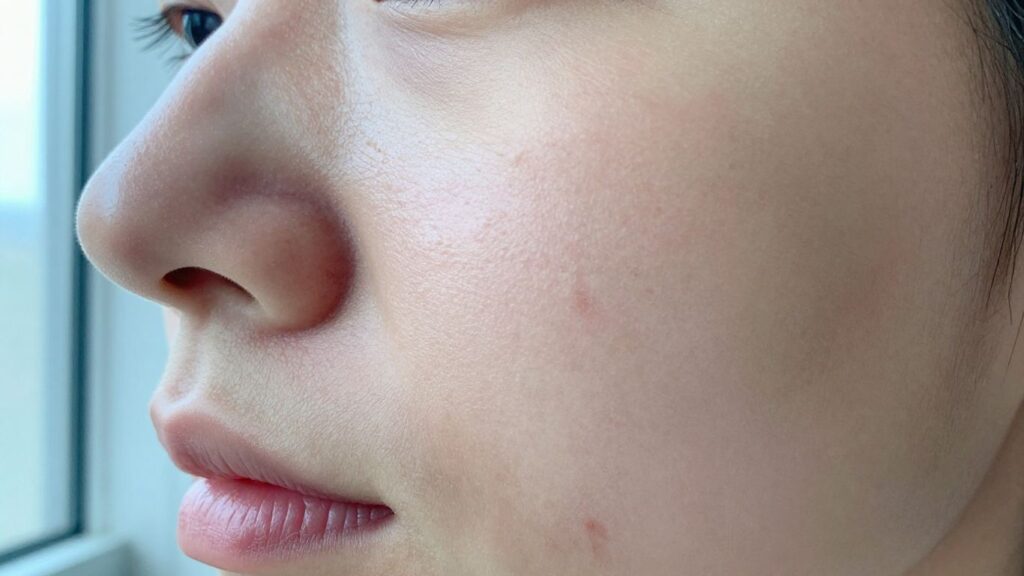
Dryness, tightness, and increased sensitivity
A tight feeling after cleansing, persistent dryness, or a sudden need for heavier moisturizer may suggest that your skin is losing water more quickly than usual. Sensitivity can also appear as a general feeling that products sit harshly on the surface. If this change is new, review what you added or intensified recently.
Redness, stinging, and burning
Redness may accompany irritation, but it can also have many other causes. Stinging or burning when you apply a product that was previously comfortable is a particularly useful signal to pause and simplify. Avoid repeatedly testing the same product while your skin feels raw; that can make the irritation harder to interpret.
Flaking, rough texture, and uneven appearance
Flakes and rough patches often reflect disturbed shedding and reduced surface hydration. Your skin may look dull or uneven because dry areas scatter light differently, not because it suddenly needs more exfoliation. Adding more scrubs or acids to remove the texture can prolong the problem.
Breakouts and reactions to familiar products
A disrupted barrier can coincide with small bumps, congestion, or a rash-like reaction, although breakouts have many possible triggers. Familiar products may suddenly feel heavy, itchy, or irritating. Keeping a short record of product changes, symptoms, and timing can help you see patterns without guessing from a single day.
Common causes of skin barrier damage
The barrier can be affected by what you apply, how often you apply it, and what your skin encounters outside your routine. Damage is not always caused by one dramatic mistake; repeated low-level irritation can add up. Thinking back over the previous few weeks is often more useful than focusing only on yesterday’s product.
Over-exfoliation and excessive cleansing
Exfoliation can remove surface buildup, but using acids, scrubs, brushes, or peeling products too frequently may leave the skin less comfortable. Cleansing too often or using very hot water can also strip surface oils. A squeaky-clean feeling is not a reliable sign that your skin is healthier.
Harsh ingredients and irritating product combinations
Some active ingredients are useful but demanding. Retinoids, exfoliating acids, acne treatments, strong fragrances, and essential oils may be difficult to tolerate, particularly when several are introduced together. Using multiple potentially irritating products makes it harder to identify the cause if redness or stinging develops.
Environmental stressors such as weather and pollution
Cold air, dry indoor heating, wind, intense heat, and rapid weather changes can all make skin feel less comfortable. Pollution and frequent exposure to dust or other irritants may add another layer of stress. Your routine may need to become gentler seasonally, even if the products worked well in a different climate.
Skin conditions, procedures, and internal factors
Eczema, rosacea, acne, allergies, and other skin conditions can affect the barrier or mimic its symptoms. Procedures such as peels, waxing, and some forms of hair removal may temporarily increase sensitivity. Hormonal changes, illness, medication, and stress can also change how your skin behaves, so skincare is not the only factor to consider.
What barrier repair means in skincare
“Repair” is convenient shorthand, but skincare does not usually rebuild the barrier instantly. Your skin is continually renewing itself, and supportive care gives that process a calmer setting. The goal is less about finding one miracle product and more about reducing avoidable irritation while restoring comfort and hydration.
Supporting the skin’s natural recovery process
You cannot force the barrier to recover overnight, but you can stop repeatedly disturbing it. Gentle cleansing, moisturizer, and protection from harsh conditions create a more favorable routine. During this period, less repeated irritation often matters more than adding another corrective step.
Restoring hydration and reducing moisture loss
Barrier-focused care usually combines water-binding ingredients with formulas that help slow water loss. A moisturizer can soften roughness and improve comfort while the skin settles. Apply it consistently rather than waiting until your face feels extremely dry, and adjust the texture according to your climate and skin type.
Simplifying a routine during periods of irritation
A simplified routine makes both the skin and the troubleshooting process easier. You might temporarily use a gentle cleanser, a plain moisturizer, and daytime sun protection while pausing nonessential actives. If you shop for skincare during this reset, PromoDeals can help you find beauty and personal care deals, but a lower price should not persuade you to add products your skin does not currently need.
Setting realistic expectations for recovery
Mild irritation may improve after you remove the trigger, but the timeline varies. Ongoing flaking, pain, itching, or redness may point to a condition that needs targeted treatment. Notice whether your skin is steadily becoming more comfortable rather than expecting a dramatic overnight change.
How to support skin barrier repair
A barrier-supportive routine is usually quiet and repeatable. You do not need a long sequence of products to care for the outer layer of your skin. Start with the steps that reduce friction and exposure, then make one change at a time so you can tell what helps.
Choosing a gentle, low-irritation cleanser
Choose a cleanser that removes sunscreen, makeup, and daily residue without leaving your skin tight or squeaky. Use lukewarm water and avoid prolonged rubbing, especially around the nose and eyes. If your skin is very dry or reactive, cleansing only where needed may be more comfortable than repeatedly washing the entire face.
Using moisturizers with barrier-supportive ingredients
Look for a moisturizer that your skin can tolerate consistently. Formulas may include ceramides, fatty acids, cholesterol, glycerin, hyaluronic acid, petrolatum, or dimethicone, although the ingredient list alone cannot predict how your skin will respond. Patch testing and a gradual introduction are sensible when you are especially reactive.
Applying products in the right order and frequency
Order matters less than tolerance, but a simple sequence can make your routine easier to follow. Cleanse gently, apply lighter hydrating products if you use them, then finish with moisturizer; use sunscreen during the day. A manageable routine might look like this:
- Cleanse gently without scrubbing or using very hot water.
- Apply a tolerated hydrating product while skin is slightly damp.
- Use moisturizer to support comfort and reduce moisture loss.
- Apply broad-spectrum sunscreen during daytime exposure.
The useful part is not perfection. It is repeating a comfortable routine often enough to observe whether dryness, stinging, and tightness begin to settle.
Protecting skin from ultraviolet exposure and harsh conditions
Ultraviolet exposure can stress skin over time, so sunscreen and practical protection such as shade, hats, and clothing are worthwhile. In cold or windy weather, a more protective moisturizer may reduce discomfort. If you are comparing products, PromoDeals is designed to gather offers and price drops in one place; still, choose based on suitability rather than promotion alone.
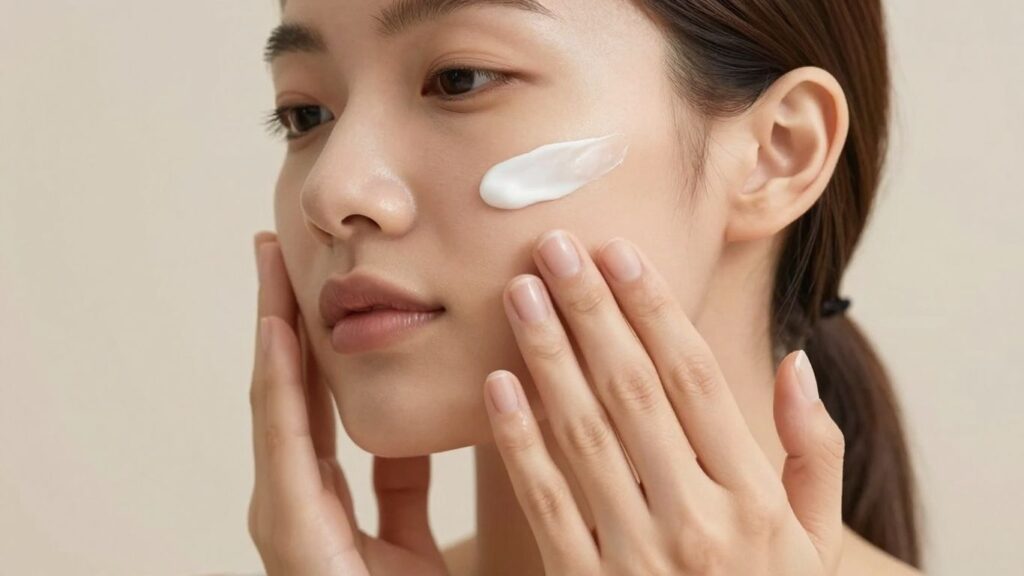
Ingredients to consider and ingredients to approach carefully
Ingredients are tools, not guarantees. The same formula can feel soothing to one person and irritating to another, especially when the skin is already compromised. Read the full product label, introduce one new item at a time, and give your skin enough time to show you whether it agrees with the change.
Ceramides, cholesterol, and fatty acids
Ceramides, cholesterol, and fatty acids are lipids naturally associated with the skin barrier. They are commonly included in moisturizers intended to support the outer layer. A product containing one or more of these ingredients may be worth considering, but texture, concentration, and the rest of the formula still matter.
Humectants such as glycerin and hyaluronic acid
Humectants attract water and can make skin feel softer and more comfortable. Glycerin is often well tolerated, while hyaluronic acid appears in products with different textures and molecular forms. If a humectant product feels tight on your skin, apply it with moisturizer rather than assuming the ingredient itself is always the problem.
Occlusives such as petrolatum and dimethicone
Occlusives form a protective layer that helps slow water loss. Petrolatum can be useful for very dry areas, while dimethicone often provides a lighter, smoother feel. They may feel too heavy for some people, but a small amount applied strategically can be more comfortable than covering the entire face with a thick layer.
Exfoliating acids, retinoids, fragrance, and essential oils
These ingredients are not automatically bad, but they deserve more caution when your skin is stinging, peeling, or unusually red. Pause or reduce potentially irritating actives while symptoms settle, then reintroduce them slowly if appropriate. PromoDeals may make it easier to discover a discount, but a deal is not a reason to combine several new actives in one week.
How to maintain a resilient skin barrier long term
Once your skin feels calmer, the temptation is to resume every active at once. Resist that urge. Resilience comes from finding a routine your skin can tolerate repeatedly, then adjusting it thoughtfully when your needs, climate, or products change.
Reintroducing active ingredients gradually
Bring back one active at a time, using it less often than before if necessary. Avoid introducing an acid, retinoid, and new treatment product simultaneously. If irritation returns, stop and reassess rather than pushing through in the hope that your skin will simply adapt.
Matching products to your skin type and tolerance
A rich cream may suit dry winter skin but feel uncomfortable in humid weather, while a lightweight lotion may be preferable for oily or combination skin. Sensitive skin is not defined only by type; it is also shaped by recent irritation, allergies, procedures, and product history. Let your current tolerance guide your choices.
Avoiding unnecessary product changes
Frequent switching makes it difficult to know what is helping. Keep the basics stable and change one variable at a time, particularly if you are managing acne, redness, or dryness. You can still browse new offers through PromoDeals, but saving money is most useful when the product fits a need you already understand.
Knowing when to consult a dermatologist
Seek professional advice if symptoms are severe, painful, spreading, infected-looking, persistent, or interfering with sleep and daily life. A dermatologist can distinguish barrier irritation from eczema, rosacea, contact dermatitis, acne, infection, or another condition. Professional guidance is especially valuable when over-the-counter changes have not helped or when you are using prescription treatment.
| Symptom or change | A gentle first step | When to seek advice |
|---|---|---|
| Mild tightness or dryness | Simplify cleansing and moisturize regularly | If it persists despite basic care |
| Stinging after new products | Pause the newest or strongest product | If burning or redness continues |
| Flaking and rough patches | Avoid scrubs and reduce active ingredients | If patches spread, itch, or become painful |
| Sudden rash or swelling | Stop suspected irritants | Promptly, especially with swelling or breathing symptoms |
This table is a starting point, not a diagnosis. Your symptoms, medical history, and product exposure all matter, so persistent changes deserve individualized care.
Conclusion
Understanding your skin barrier helps you make calmer, more practical skincare decisions. Barrier repair usually means reducing irritation, replenishing hydration, protecting the surface, and allowing time for recovery rather than chasing a quick fix. Keep your routine simple enough to follow, introduce changes gradually, and seek professional advice when your skin does not settle.
Frequently Asked Questions
What is the skin barrier?
The skin barrier refers mainly to the outermost part of the epidermis, including skin cells and surrounding lipids that help limit water loss and protect against environmental irritants.
What does barrier repair mean?
Barrier repair means supporting the skin’s natural recovery by reducing irritation, maintaining hydration, and using products that help limit moisture loss.
How can you tell if your skin barrier is damaged?
Common clues include unusual dryness, tightness, flaking, redness, stinging, burning, increased sensitivity, or reactions to products that were previously comfortable.
How long does skin barrier repair take?
The timeline varies with the cause and severity of the problem. Mild irritation may improve after removing the trigger, while persistent symptoms can require professional assessment and treatment.
Should you stop all active skincare ingredients?
If your skin is stinging, peeling, or very red, pausing nonessential actives may be sensible. Reintroduce products gradually once your skin is comfortable, and follow medical advice for prescribed treatments.
Are ceramides good for a damaged skin barrier?
Ceramides are lipids associated with the skin barrier and are commonly used in moisturizers. Whether a particular product suits you depends on the full formula and your individual tolerance.
When should you see a dermatologist for barrier concerns?
Consult a dermatologist when symptoms are severe, persistent, painful, spreading, infected-looking, or not improving with gentle basic care. A professional can check for conditions that resemble barrier damage.