Eau De Parfum vs Eau De Toilette: What the Concentration Really Means for Wear, Value, and Choice

Key Takeaways
Eau de parfum and eau de toilette are not simply labels for “strong” and “weak” perfume. The concentration is a useful starting point, but the formula, your skin, the weather, and how you apply it all shape the result.
- Eau de parfum generally contains more fragrance oil than eau de toilette, but ranges vary.
- Higher concentration can support longer wear, though it does not guarantee stronger projection.
- An EDT and EDP may be composed differently rather than being identical scents at different strengths.
- Skin type, temperature, humidity, and application can change how a fragrance develops.
- The best value is the bottle you enjoy wearing consistently, not automatically the more expensive one.
- What eau de parfum and eau de toilette actually mean
- How concentration changes scent performance
- Why the same fragrance can smell different as an EDP or EDT
- How skin, weather, and application affect wear
- Comparing cost and value beyond the bottle price
- How to choose between eau de parfum and eau de toilette
- How to test and buy the right concentration
- Conclusion
- Frequently Asked Questions
- Is eau de parfum always stronger than eau de toilette?
- Does eau de parfum always last longer?
- Can an eau de toilette smell different from its eau de parfum?
- Which concentration is better for summer?
- Which concentration is best for the office?
- Should you spray fragrance on clothing or skin?
- How can you get better value from a fragrance purchase?
What eau de parfum and eau de toilette actually mean
When you compare eau de parfum with eau de toilette, you are mainly comparing the amount of aromatic material in a finished fragrance formula. That difference can affect richness, diffusion, and how long the scent remains noticeable. Still, the label is not a complete performance forecast. The materials chosen and the way the fragrance is built matter just as much.
The role of fragrance oil concentration
Fragrance oil concentration refers broadly to the proportion of aromatic ingredients in the liquid before you apply it. Eau de toilette is commonly associated with roughly 5–15% fragrance oil, while eau de parfum is often placed around 15–20%. These figures are useful general guides, not universal rules, and a higher percentage does not mean every EDP will smell better to you.
Think of concentration as one part of the design. A formula with dense woods, resins, or musks may feel substantial even at a lower concentration, while a bright citrus composition can remain airy at a higher one. For a compact comparison of the terminology, this EDP and EDT concentration guide is a useful companion.
How alcohol and other ingredients affect the formula
Alcohol helps dissolve and distribute aromatic materials, then evaporates after spraying so the fragrance can unfold on your skin. Water, solvents, stabilizers, and other ingredients may also be part of the formula. Their proportions influence how quickly the opening appears and how smoothly the scent moves toward its dry-down.
That is why two products with similar stated concentration can still behave differently. The evaporation rate, the volatility of individual materials, and the balance between fresh and heavier notes all contribute to the experience you get from the first spray onward.
Why concentration ranges are not standardized
The terms EDP and EDT describe broad categories rather than tightly regulated formulas with one required percentage. Brands may use different internal standards, and fragrance families do not all need the same structure. A citrus-forward EDT can feel more noticeable at first than a soft, close-to-skin EDP.
You should therefore treat the concentration printed on the bottle as a clue rather than a guarantee. Reading the description, testing the actual fragrance, and considering how you plan to wear it will tell you more than a number alone.
How parfum, extrait, cologne, and mist fit into the fragrance hierarchy
Parfum and extrait generally sit toward the more concentrated end of common fragrance terminology, while eau de cologne and body mist usually describe lighter formats. These names can overlap with marketing language, so the hierarchy is not perfectly fixed. They also say little about whether a scent will be fresh, sweet, woody, powdery, or restrained.
You may find that an extrait feels smoother and less projecting than an EDP, even though it contains more aromatic material. The texture and balance of the formula matter. Concentration gives you a starting point, not a ranking of quality.
How concentration changes scent performance
Concentration can affect how long a fragrance stays detectable, how far it travels, and how its stages seem to unfold. People often compress all of those qualities into the word “strength,” but they are different things. An EDP may last longer without filling a room, while an EDT may project brightly for a short opening.
The most useful approach is to separate wear time from presence. Your experience will also depend on the formula’s ingredients, your skin, the climate, and whether you spray clothing or skin. The general fragrance concentration breakdown offers another perspective on these distinctions.
Typical longevity on skin and clothing
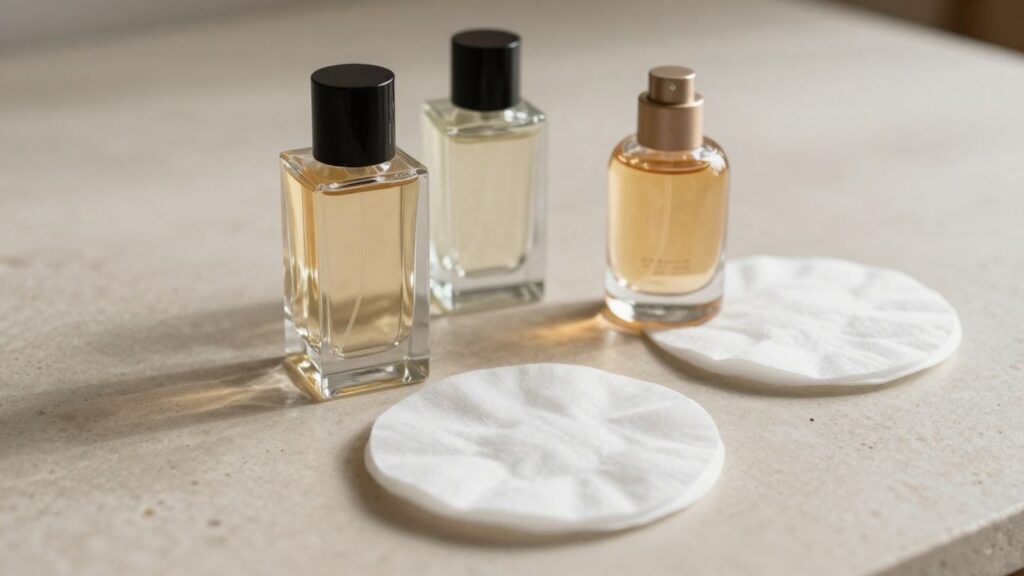
Many EDTs may remain noticeable on skin for several hours, while many EDPs can last longer, but there is no dependable fixed timetable. Skin usually warms and transforms fragrance more quickly than fabric. Clothing may hold a scent longer, though delicate materials can stain and the result may not develop exactly as it does on skin.
If you need all-day wear, an EDP may be a practical place to start. If you prefer a fragrance that fades gently and can be refreshed later, an EDT may suit you better. Wear time is personal, so your own test is more useful than a promised hour count.
The difference between projection, sillage, and intensity
Projection describes how far the scent radiates from you, especially soon after application. Sillage is the scented trail that may remain as you move through a space. Intensity is how powerful or concentrated the fragrance feels to your nose, whether it projects widely or stays close.
These qualities can move independently. A bright EDT may project strongly during its first minutes, then become quiet. An EDP may sit closer to the skin but remain detectable for much longer. Choosing between them means deciding which kind of presence you actually want.
Why the opening, heart, and dry-down can feel different
Fragrances are often discussed in stages: top notes appear first, middle notes form the central impression, and base notes become more prominent later. A change in concentration can alter the pace and balance of that progression. The opening may feel sharper in an EDT, while the base may seem fuller in an EDP.
You should not judge only the first spray. A scent that seems too bright or too heavy at first may settle into something more comfortable after half an hour. Give each version time to show its full shape before deciding.
How reformulation can affect performance over time
A reformulation changes the composition, which can alter projection, longevity, texture, or the order in which notes appear. Ingredient availability, safety standards, production decisions, and changes in a brand’s formula can all play a role. A newer bottle may therefore smell different from one you remember.
This is another reason to avoid treating concentration as the sole explanation for performance. If a familiar fragrance feels changed, compare the ingredient information, batch details, and your testing conditions before assuming the EDP or EDT label is responsible.
Why the same fragrance can smell different as an EDP or EDT
An EDP and an EDT may share a name and a recognizable theme without being identical liquids. Often, the perfumer adjusts the proportions of notes to create a different mood or use case. One version may spotlight freshness, while the other gives more space to woods, amber, musk, or sweetness.
That difference is central to the EDP versus EDT question. You are not always choosing the same scent at two volume settings. You may be choosing between two interpretations of a fragrance idea.
Changes in the balance of top, middle, and base notes
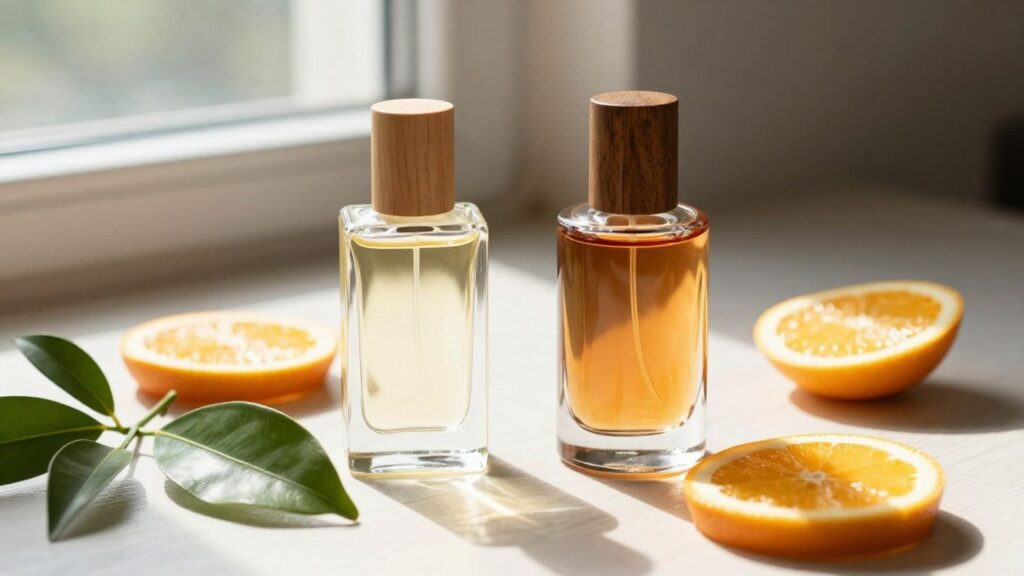
An EDT may place more emphasis on volatile top notes such as citrus, herbs, or light fruits. An EDP may reduce that initial brightness or give greater weight to middle and base materials. The result can feel smoother, deeper, or simply different rather than louder.
When you compare both, notice which parts of the scent remain with you. You may enjoy the EDT’s crisp opening but prefer the EDP’s later development, or the reverse. There is no rule that says the deeper version is the more appealing one.
When an EDT feels fresher, brighter, or lighter
An EDT can be especially appealing when you want a clean, quick-moving fragrance. Fresh notes may feel more prominent at the beginning, and the overall effect can seem less dense in warm or shared spaces. That makes the format attractive for daytime wear, casual settings, or anyone who dislikes a heavy scent cloud.
Freshness is not the same as weakness. A well-built EDT can have a distinct personality and an energetic opening. You may choose it because of its character, not merely because it costs less or fades sooner.
When an EDP feels richer, warmer, or more rounded
An EDP often gives more room to the heart and base of a fragrance. Woods, spices, vanilla, amber, and musk may feel more integrated as the opening settles. The effect can be warmer and more enveloping, particularly when the formula is designed around less volatile materials.
That fuller impression can work well when you want a scent to carry from afternoon into evening. It can also be too much for a small office or a warm day, depending on the composition and how generously you spray.
Why the concentration is not always a stronger version of the same scent
Calling an EDP a stronger EDT is sometimes convenient, but it can mislead you. The two versions may use different proportions, altered notes, or a different balance between freshness and depth. One can be longer-lasting while the other is more noticeable in the first few minutes.
A better question is: which version gives you the mood you want? If you like the sparkling opening, choose the EDT. If you prefer the later warmth, choose the EDP. The label should support your judgment, not replace it.
How skin, weather, and application affect wear
Your bottle is only one part of the wearing experience. Skin moisture, body heat, air movement, and the number of sprays can change how a fragrance behaves from one day to the next. The same EDP may seem restrained in a cold room and much more expansive outdoors in summer.
These variables explain why someone else’s review may not predict your result. You can use general guidance, but your own skin and routine remain the most relevant test conditions.
The impact of dry, oily, and moisturized skin
Dry skin often gives fragrance fewer oils to cling to, so the scent may fade sooner or feel less rounded. Oily or well-moisturized skin can help aromatic materials remain noticeable for longer. Applying an unscented moisturizer first may provide a more consistent base without adding another competing smell.
Your skin is not static, either. Seasonal dryness, skincare products, and changes in hydration can affect the result. If a fragrance disappears quickly, try moisturizing before increasing the number of sprays.
How heat and humidity influence projection
Warmth can speed evaporation and make a fragrance project more quickly. Humidity may make the air feel fuller and can increase the sense that a scent is surrounding you. In hot conditions, a heavy application of an already rich fragrance may become overwhelming.
For warm weather, you might prefer a lighter application or a fresher composition. Test your fragrance outside the cool store environment when possible, because temperature can change both the opening and the perceived intensity.
Why cold weather can favor richer concentrations
Cold air tends to slow evaporation and can mute delicate top notes. Richer formulas may feel more present in these conditions because their deeper materials have space to develop. An EDP with woods, amber, or spices can be comforting in winter without needing excessive sprays.
That does not make an EDT unsuitable for cold weather. A bright EDT can provide contrast and lift, especially indoors. The best choice depends on the scent’s structure and the atmosphere you want.
Where and how to apply fragrance for more consistent results
Apply fragrance to clean, moisturized skin and allow it to dry without rubbing. Wrists, the sides of the neck, and the chest are common choices, but you can also use a light spray on clothing when the material is safe. Avoid assuming that more sprays will create a better result; they mainly create a stronger first impression.
A simple routine can make comparisons easier:
- Use the same number of sprays for each version.
- Test each fragrance on a separate area of skin.
- Record when the opening, heart, and dry-down become noticeable.
- Repeat the test in similar weather when possible.
These small controls help you distinguish a formula difference from a change in application or environment. They also make your eventual purchase less dependent on a rushed counter test.
Comparing cost and value beyond the bottle price
EDPs often cost more because they may contain a higher proportion of aromatic materials, but retail pricing also reflects bottle size, packaging, distribution, and brand positioning. A higher shelf price does not automatically mean better value. The right comparison considers how much you use, how often you reapply, and whether you enjoy the scent enough to finish the bottle.
If you are shopping around, Promo Deals brings offers, discounts, and price drops together in one place, which can make it easier to check whether a fragrance is available at a better price. You can also use this practical product value guide when comparing upfront cost with long-term usefulness.
How concentration affects retail pricing
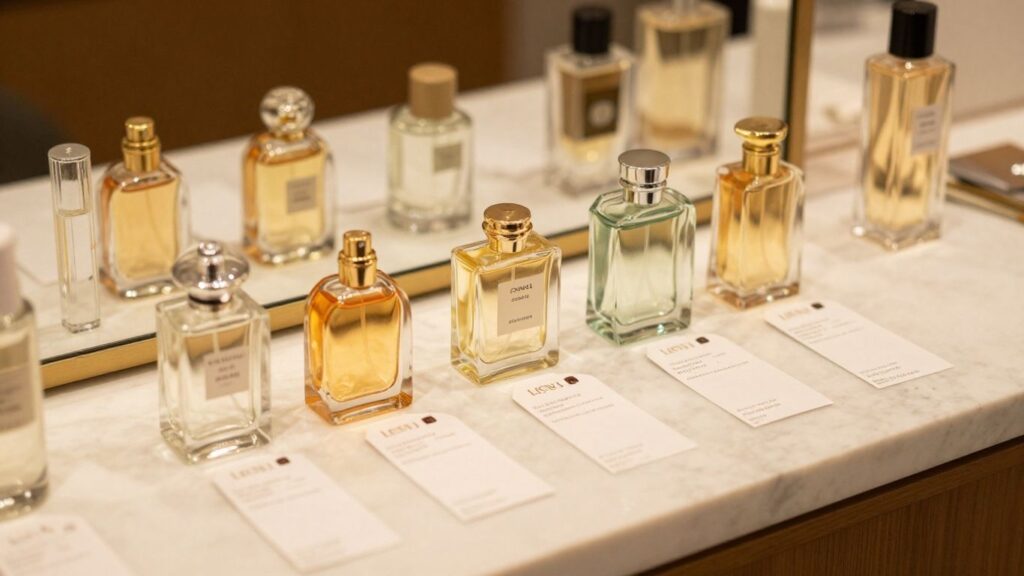
Higher concentration can contribute to a higher price per bottle, since more aromatic materials may be used. Yet the difference is not a simple calculation. A smaller EDP bottle may cost more than a larger EDT, and promotions can reverse the usual price relationship.
Check the volume as well as the sticker price. A 50 ml bottle and a 100 ml bottle should not be compared as though they contain the same amount. Sale timing, gift sets, and retailer discounts can matter just as much as the concentration label.
Calculating value by wear time and amount used
You can estimate value by dividing the purchase price by the number of applications you expect, then considering how often you need to refresh it. That will not produce a perfect scientific measure, but it can clarify the trade-off between a longer-wearing formula and a cheaper bottle.
| Comparison | Eau de toilette | Eau de parfum |
|---|---|---|
| Common impression | Brighter and lighter | Richer and more rounded |
| Reapplication pattern | May suit more frequent refreshing | May suit fewer refreshes |
| Upfront price | Often lower, but not always | Often higher, but not always |
| Best value test | Enjoyment plus cost per use | Enjoyment plus cost per use |
The table is a starting point, not a promise about every product. If you love the EDT and wear it freely, it may deliver more practical value than an EDP that stays in a drawer.
When a less expensive EDT may be the better purchase
An EDT may be the smarter choice when you want a daily fragrance, prefer a subtle presence, or enjoy refreshing yourself during the day. It can also make sense if you are still exploring a scent and do not want to pay more for a format you may not wear often.
Price is especially relevant when the two versions are close in character but not identical in performance. A lower-cost bottle that fits your routine can be a better purchase than a longer-lasting option that feels too heavy or too formal.
Why packaging and brand positioning can distort value perceptions
Weighty glass, elaborate boxes, limited-edition language, and luxury presentation can make a product feel more valuable before you smell it. Those details may be enjoyable, but they do not tell you whether the fragrance suits your skin or your habits. You are paying for the formula, the amount, the presentation, and the retail experience together.
Try to separate those elements when comparing options. Promo Deals is designed to make discounts and promotional offers easier to find, but a deal only has value when the product matches what you actually want to wear.
How to choose between eau de parfum and eau de toilette
There is no universal winner in the EDP versus EDT choice. You are selecting a level of presence and a style of development that needs to fit your life. Start with where you will wear the fragrance, then consider how much longevity and projection you personally enjoy.
The most useful decision is usually practical rather than technical. A fragrance that works with your schedule and sensitivity will earn more wear than one selected only because its concentration sounds impressive.
Matching concentration to occasion and setting
Consider the size of the space, how close you will be to other people, and how long you expect to stay there. A lighter EDT may feel comfortable for commuting, errands, or a warm outdoor gathering. An EDP may suit a longer event when you want the scent to remain present without reapplying.
Neither choice is restricted to one occasion. A quiet EDP can work during the day, while a restrained EDT can be elegant at night. The composition and your application matter as much as the label.
Choosing for office, daytime, evening, and formal wear
For an office, start conservatively because shared air makes projection more noticeable. During daytime, you may enjoy the freshness of an EDT, especially in warm weather. In the evening or for formal wear, an EDP can provide a more rounded impression, although a lighter formula may still be the better fit for a crowded room.
Try to match the fragrance’s personality with the occasion rather than following a strict rule. Clean, airy scents can feel polished at night, and a soft EDP can be perfectly appropriate for a morning appointment.
Considering personal sensitivity to strong fragrances
If you are sensitive to fragrance, concentration is only part of the question. Certain materials may bother you regardless of whether they appear in an EDT or EDP. Start with one or two sprays, avoid applying near your face, and see how you feel after the scent has settled.
You can also choose a fragrance with close projection and a lighter application. The goal is comfort for you and the people around you, not maximum visibility.
Deciding whether versatility or longevity matters more
Choose versatility when you want one bottle for different seasons, settings, and times of day. Choose longevity when you dislike reapplying and want the scent to remain part of your routine for many hours. Some EDPs offer that convenience, while some EDTs offer a more adaptable freshness.
Ask yourself which compromise you would notice less. Would you rather refresh once, or wear a fragrance that feels too rich in certain settings? Your answer usually points to the better concentration.
How to test and buy the right concentration
Testing is where general advice becomes personal evidence. If both an EDT and EDP exist, treat them as separate fragrances until your skin shows you how they compare. A calm, repeatable test is more reliable than choosing after one quick spray in a crowded store.
You can also make a better online purchase by checking the bottle size, seller information, return terms, and current offer before paying. Deals are useful, but a low price should not rush you past the basic fit of the fragrance.
Testing on skin instead of relying only on paper strips
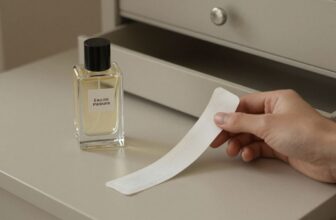
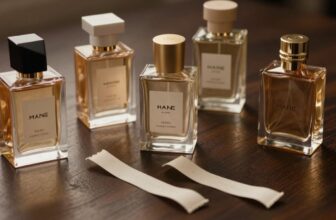
Paper strips are helpful for an initial screen, but they cannot show you how a fragrance interacts with your skin. Test one version on each wrist or forearm, leaving enough space between them. Avoid spraying several unrelated scents at once, since your nose will quickly lose its ability to separate them.
Notice the first impression, then pay attention to how the scent feels after it warms. Your skin’s moisture and temperature can reveal differences that a strip hides.
Waiting through the full dry-down before deciding
Give the fragrance time to move beyond its opening. The first few minutes can be dominated by alcohol and volatile top notes, while the later stages may be softer, warmer, or more powdery. If you decide too quickly, you may buy the version whose opening you liked even though you prefer the other dry-down.
A useful test lasts at least long enough for the heart to appear, and ideally several hours if you are comparing longevity. Write down brief impressions rather than relying on memory alone.
Comparing both versions without scent fatigue
Compare no more than a few fragrances in one session. Smelling coffee beans may offer a short reset, but it does not completely restore your sense of smell. If the versions begin to blur together, stop and continue another day.
Keep the comparison simple: same skin areas, similar spray amounts, and the same observation points. Patience gives you clearer information than repeated spraying.
Checking batch details, storage, and return policies
Before buying, confirm the bottle size, seller, batch information where available, and storage conditions. Heat, direct sunlight, and repeated temperature swings can affect a fragrance over time. A clear return policy is especially useful when you are buying online or choosing between two concentrations.
If you find a promotion through Promo Deals, read the retailer’s terms before checkout. A genuine saving is most helpful when the seller, product format, shipping conditions, and return window all suit your purchase.
Conclusion
Eau de parfum and eau de toilette differ in typical concentration, but the label does not decide the entire wearing experience. Formula structure, skin, climate, application, price, and personal preference all matter. Test both versions when you can, wait for the dry-down, and choose the fragrance that fits the way you actually live and wear scent.
Frequently Asked Questions
Is eau de parfum always stronger than eau de toilette?
Not necessarily. Eau de parfum often contains more fragrance oil and may last longer, but an EDT can project more strongly during its opening or feel more noticeable in a particular formula.
Does eau de parfum always last longer?
It often lasts longer, but longevity depends on the materials, your skin, the weather, and how much you apply. Concentration is a useful clue rather than a guarantee.
Can an eau de toilette smell different from its eau de parfum?
Yes. The two versions may use different proportions of notes or emphasize different stages of the composition, so an EDT is not always just a diluted EDP.
Which concentration is better for summer?
A lighter EDT may feel more comfortable in heat, especially when it has fresh or airy notes. A warm-weather EDP can also work with restrained application and a suitable formula.
Which concentration is best for the office?
Either can work if applied carefully. Choose a fragrance with moderate projection, start with a small amount, and consider how close you will be to coworkers throughout the day.
Should you spray fragrance on clothing or skin?
Skin shows the fragrance’s development, while clothing may hold it longer. Test delicate fabrics cautiously, and use skin as your main comparison surface when choosing between concentrations.
How can you get better value from a fragrance purchase?
Compare bottle size, expected wear, reapplication needs, and the actual price after discounts. The best value is the option you enjoy and use consistently, not automatically the one with the highest concentration.