
Key Takeaways
Eau de Parfum usually offers several hours of wear, but the exact result depends on your skin, the formula, and how you apply it.
- Eau de Parfum commonly lasts around four to eight hours on skin, though some scents fade sooner or linger longer.
- Dry skin, warm weather, bright top notes, and light application can shorten perceived wear time.
- An opened bottle may remain enjoyable for several years when protected from heat, light, moisture, and excess air.
- Color, clarity, smell, and texture can help you decide whether a fragrance has changed too much to use.
- Moisturized skin, careful spraying, and moderate reapplication usually work better than simply using more fragrance.
- How long Eau de Parfum lasts on skin
- What affects Eau de Parfum longevity on skin
- How long Eau de Parfum lasts in the bottle
- How to tell whether Eau de Parfum has gone bad
- How to store Eau de Parfum for maximum longevity
- How to make Eau de Parfum last longer on skin
- How to estimate the right amount of Eau de Parfum
- Conclusion
- Frequently Asked Questions
- How long does Eau de Parfum usually last on skin?
- Does Eau de Parfum last longer than Eau de Toilette?
- Can dry skin make perfume fade faster?
- How long does an opened bottle of Eau de Parfum last?
- Should Eau de Parfum be stored in the bathroom?
- How can you tell if a fragrance has gone bad?
- Is it better to spray perfume on skin or clothing?
How long Eau de Parfum lasts on skin
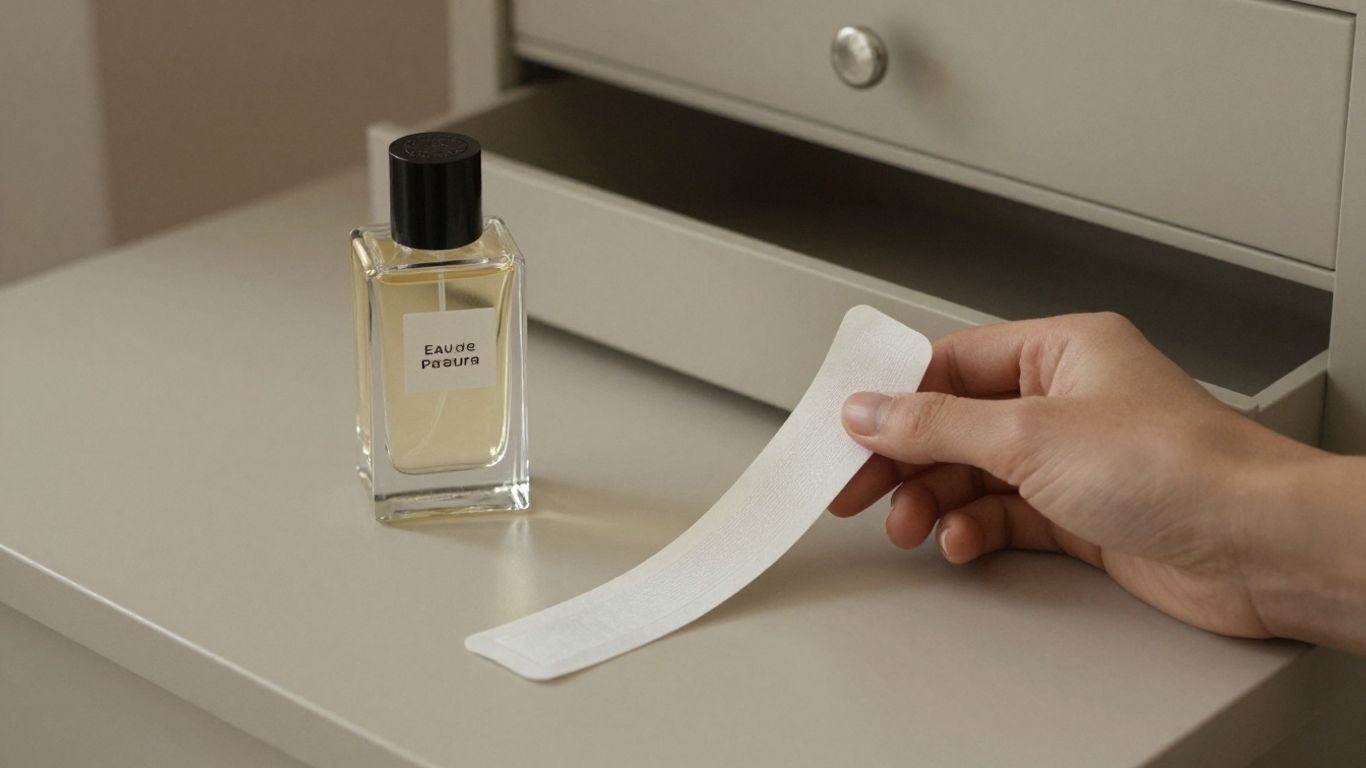
If you are wondering, “How Long Does Eau de Parfum Last on Skin and in the Bottle,” start by separating wear time from bottle life. On skin, Eau de Parfum often lasts about four to eight hours, but that is a useful range rather than a promise. You may notice the scent clearly for several hours and still detect a soft trace after its stronger projection has faded.
Typical wear time by fragrance concentration
Fragrance concentration gives you a helpful starting point because a higher proportion of aromatic materials often supports longer wear. Eau de Parfum generally sits between lighter Eau de Toilette and more concentrated Parfum, although the formula matters just as much as the label.
| Fragrance type | Common skin wear range | General character |
|---|---|---|
| Eau de Cologne | About 1–3 hours | Light and fleeting |
| Eau de Toilette | About 3–5 hours | Fresh and moderate |
| Eau de Parfum | About 4–8 hours | Fuller and longer-lasting |
| Parfum | About 6–12 hours or more | Rich and concentrated |
These ranges help set expectations, but they should not replace a skin test. A fresh Eau de Parfum may disappear sooner than a dense, woody Eau de Toilette, while your own environment can change the result on the same day.
What the opening, heart, and base notes reveal
A fragrance does not remain static after you spray it. The opening, or top notes, arrive first and often include bright citrus, herbs, or airy fruits. Heart notes become clearer after the opening settles, while base notes such as woods, resins, vanilla, or musk tend to stay closest to the skin for the longest time.
You may think a fragrance has vanished when its opening has simply ended. Smell your wrist after a few hours without rubbing it, or ask someone nearby whether they can detect the dry-down. The scent may have become quieter rather than disappeared completely.
Why longevity varies from person to person
Two people can apply the same Eau de Parfum and get noticeably different results. Natural oil levels, skin moisture, body temperature, activity, and even the way you perceive a familiar scent all affect the experience. Your nose may also stop noticing a fragrance that others can still smell, a process sometimes called olfactory adaptation.
This is why online wear-time claims should be treated as estimates. If you are comparing options before buying, a practical fragrance longevity guide can help you think about concentration, note structure, and personal chemistry without assuming one result fits everyone.
When to reapply without overdoing it
Reapplication makes sense when the fragrance has genuinely faded or when you are moving from a daytime setting into an evening one. Wait several hours before adding more, and begin with one spray rather than repeating the full original application. Applying over the existing dry-down is usually more comfortable than trying to recreate the opening.
Consider the people and space around you, too. A quiet office, small room, or shared vehicle calls for restraint, while an outdoor setting may allow slightly more freedom. The goal is a pleasant personal scent, not a cloud that arrives before you do.
What affects Eau de Parfum longevity on skin
Wear time is shaped by more than the bottle’s concentration. Your skin provides the surface where the fragrance evaporates, while temperature, humidity, ingredients, and application technique influence how quickly each stage appears. Small changes in your routine can therefore make the same fragrance feel stronger or weaker.
Skin type and natural moisture levels
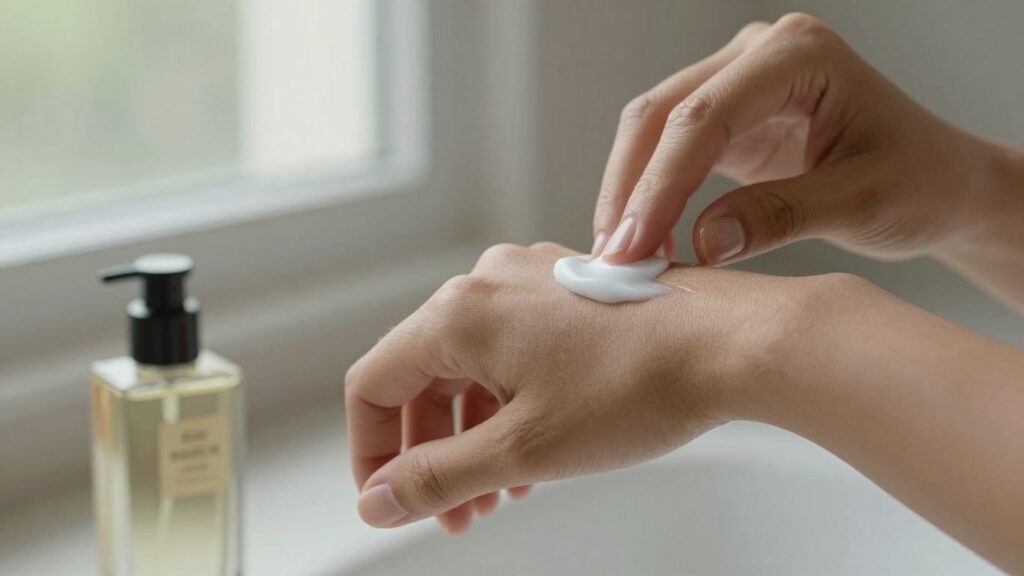
Dry skin often gives fragrance fewer oils and emollients to cling to, so a scent may seem to fade faster. Well-moisturized skin can help the fragrance remain noticeable for longer, especially when you use an unscented lotion that does not compete with the perfume. Oily skin may naturally hold aromatic materials more readily, although the result still depends on the formula.
Your skin chemistry can also change the character of a fragrance, not just its duration. A floral may turn warmer, a citrus may become sharper, or a woody base may feel softer on you than it did on a paper strip.
Temperature, humidity, and seasonal changes
Warmth generally increases evaporation and projection, which can make a fragrance announce itself quickly and then soften sooner. Humid air may help some scents feel more present, while very dry air can make them seem thinner. In cool weather, projection may be gentler even when the scent remains on clothing or skin for a long time.
Seasonal testing is useful if you wear one fragrance throughout the year. A spray that feels balanced in winter may need a lighter hand in summer, while a delicate scent may need more careful placement during colder months.
Fragrance notes and formulation
Ingredients behave differently as a composition unfolds. Citrus, watery, green, and light floral notes often make a quick impression, while woods, amber, musk, vanilla, and resins can support a longer dry-down. This does not mean a light fragrance is poorly made; it may simply be designed for freshness rather than endurance.
The balance between ingredients matters as well. A fragrance with a strong base can remain detectable for hours, but its projection may become very close to the skin. That quieter stage is still part of the intended experience.
Application points, layering, and spraying technique
Pulse points such as the neck and wrists are popular because warmth can help a fragrance diffuse. You do not need to cover every point, however. Spraying from a short distance onto clean skin and allowing it to dry naturally usually gives a more even result than rubbing it in.
A simple application sequence can keep the scent balanced:
- Apply unscented moisturizer first if your skin is dry.
- Spray from a short distance rather than pressing the nozzle against your skin.
- Let the fragrance dry without rubbing your wrists together.
- Add a light spray to clothing only after checking that the fabric will not stain.
This approach gives you a consistent baseline for judging performance. If you want practical ways to compare products before purchasing, Promo Deals also organizes shopping tips that encourage checking fit, value, and real-world use rather than relying on a single claim.
How long Eau de Parfum lasts in the bottle
Bottle life is different from skin longevity. A fragrance may remain usable for several years after opening, but its color, brightness, and balance can gradually change. An unopened bottle usually has more protection because less air has entered, although storage conditions still matter.
Typical shelf life of an unopened bottle
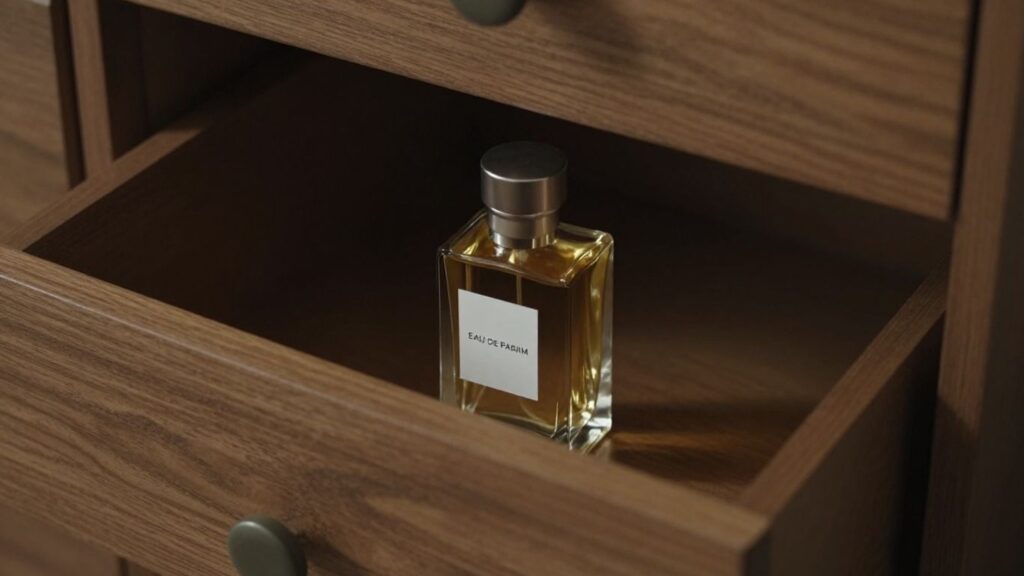
There is no universal expiration date that applies equally to every Eau de Parfum. An unopened bottle kept in a cool, dark, stable place can often remain in good condition for years. Heat, sunlight, and repeated temperature changes may shorten that period even when the seal has never been broken.
If you are buying during a promotion, check the packaging and seller details rather than assuming a discount means the fragrance is old. Promo Deals brings offers and price drops together, but you should still inspect the product information and storage conditions before purchasing.
How long an opened bottle can remain usable
An opened bottle can often remain enjoyable for roughly three to five years, and sometimes longer when it is stored carefully. The range is only a guide because formulas vary and a nearly full bottle experiences less air exposure than one with a small amount left.
Your own senses are more useful than a rigid date. If the fragrance still smells balanced, looks normal for its formula, and performs as expected, it may be perfectly pleasant to use.
Why air exposure gradually changes the fragrance
Every time you open a bottle, fresh air enters the space above the liquid. Oxygen can slowly alter delicate aromatic materials, particularly when the bottle is frequently opened, left uncapped, or stored somewhere warm. Over time, the opening may lose brightness and the base may seem heavier or sharper.
This change is gradual, so you may notice it only by comparing the bottle with a sample or an older memory of the scent. The fragrance does not usually change overnight unless it has been exposed to extreme heat or light.
Differences between full, half-full, and nearly empty bottles
A full bottle contains relatively little air above the liquid, while a half-full bottle has more room for oxygen. In a nearly empty bottle, the larger air space can make gradual oxidation more noticeable, especially if the bottle is opened often. The bottle’s shape and sprayer seal also influence how much air reaches the liquid.
That does not mean you must rush through a nearly empty bottle. Keeping it tightly closed and away from heat still helps. If you have a large collection, use the fragrances you enjoy most regularly rather than leaving them forgotten for years.
How to tell whether Eau de Parfum has gone bad
A fragrance that has changed is not always unsafe, but it may no longer smell the way the creator intended. Look for several signs together instead of judging the bottle by one small difference. Some perfumes naturally darken over time, especially when they contain materials that deepen in color.
Changes in color and clarity
A modest shift from pale gold to deeper amber does not automatically mean the fragrance is spoiled. Compare the liquid with an earlier photograph or a sample if you have one, and check whether it remains clear when the formula was originally clear. Unexpected cloudiness, floating particles, or separation deserve more caution.
Packaging can also affect what you see. Colored glass may make changes harder to notice, while a clear bottle exposes the liquid to more light if it is stored near a window.
Sour, metallic, or unusually sharp odors
Smell a small amount on a blotter or your skin and give it a few minutes to develop. A sour, metallic, rancid, or harsh chemical odor that persists through the dry-down suggests the formula has changed significantly. A temporary sharpness in the opening is less concerning if the heart and base still settle normally.
Trust your response as well. If the fragrance smells unpleasant or dramatically unlike itself, there is little reason to keep wearing it simply because some liquid remains.
Changes in performance and texture
An altered fragrance may project differently, disappear unusually quickly, or develop a rough edge that was not present before. The liquid can also feel different on a blotter, although texture alone is not a reliable test. Performance changes matter most when they appear alongside a new smell or visible change.
Try the fragrance in a familiar setting and compare it with a known sample if possible. This reduces the chance that weather, congestion, or temporary nose fatigue is responsible for the difference.
When an altered fragrance may still be safe to use
A fragrance that has darkened slightly but still smells pleasant and behaves normally may remain usable. If it has a strong off odor, visible contamination, unusual separation, or causes irritation, stop using it on your skin. You can always keep it for comparison, but do not treat an unpleasant or irritating product as something you need to finish.
When in doubt, spray a small amount onto a disposable blotter rather than testing repeatedly on your body. Your comfort matters more than extending the life of one bottle.
How to store Eau de Parfum for maximum longevity
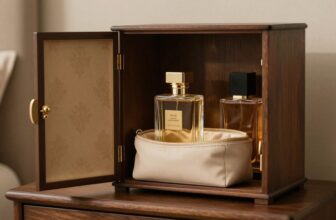
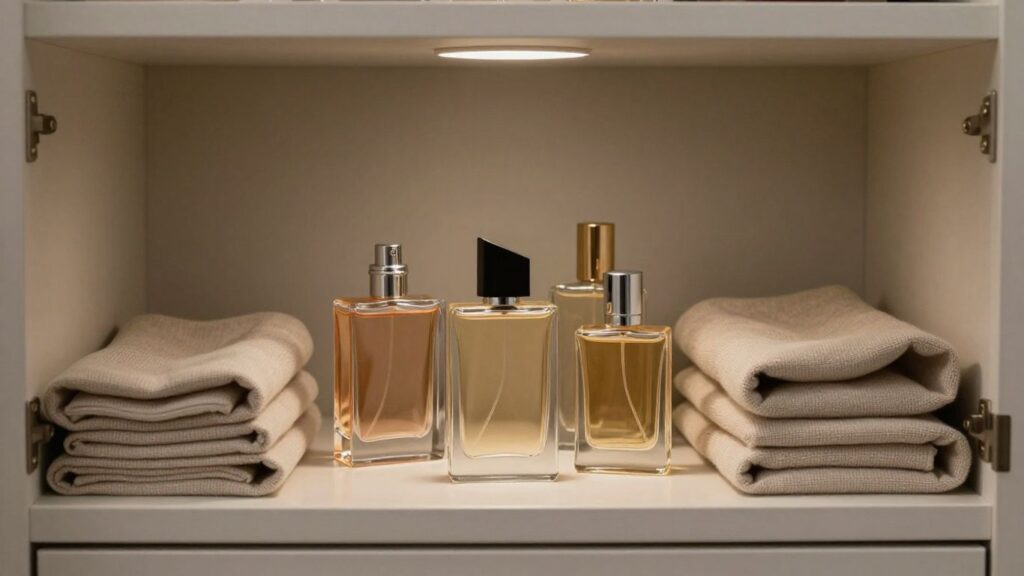
Good storage is simple: keep the bottle cool, dark, dry, and closed. Stable conditions slow the effects of heat, light, moisture, and air. You do not need special equipment; an ordinary drawer or wardrobe shelf is often better than a decorative spot in direct sunlight.
The best temperature and humidity conditions
Aim for a stable indoor temperature away from radiators, heating vents, and appliances that produce warmth. Normal household humidity is generally preferable to damp or frequently steamy spaces. Sudden changes can be harder on fragrance than a consistently moderate room.
Keep bottles upright when practical, particularly if the cap or sprayer is not perfectly sealed. An upright position also reduces the chance of leakage around the neck.
Why bathrooms and windowsills are poor storage locations
Bathrooms experience repeated swings in temperature and humidity from showers, while windowsills expose bottles to sunlight and heat. Both conditions can encourage gradual changes in the formula. A beautiful display may therefore be one of the least protective places to keep your collection.
Move your bottles to a bedroom drawer, closet, or closed cabinet instead. If you enjoy seeing them, choose a shaded shelf away from direct sun and sources of warmth.
How light and heat affect fragrance ingredients
Ultraviolet light can affect aromatic materials and may also warm the liquid inside the bottle. Heat speeds many chemical reactions, so a bottle left in a hot car or near a sunny window can age faster than one stored in a stable room. These effects are cumulative, even when each individual exposure seems brief.
The safest habit is to return the bottle to its storage place after use. That small step protects the fragrance without adding work to your routine.
Keeping the cap, sprayer, and bottle sealed properly
Replace the cap firmly after every use and avoid leaving the sprayer exposed. Wipe away residue around the neck so the closure can sit properly, and do not transfer the fragrance into an unclean container. If a cap feels loose or the sprayer leaks, store the bottle upright and consider replacing the faulty component.
A sealed bottle is not immune to aging, but reducing unnecessary air exchange helps preserve its original character. This is especially useful for fragrances you wear only occasionally.
How to make Eau de Parfum last longer on skin
You can improve wear time without overspraying. Start with the condition of your skin, then choose application points and supporting products that suit the fragrance. The aim is to slow evaporation while keeping the result comfortable for you and everyone nearby.
Preparing and moisturizing the skin
Apply fragrance after bathing once your skin is clean and dry. If your skin tends to feel tight or dry, use a small amount of unscented moisturizer and let it settle before spraying. A lightly moisturized surface often holds scent more comfortably than freshly washed, completely dry skin.
Avoid strongly scented lotions unless you deliberately want to combine the aromas. Competing products can make it difficult to tell whether the Eau de Parfum itself is lasting.
Applying fragrance to pulse points and clothing
The neck, chest, and wrists are convenient points, but you only need a few. Clothing can hold fragrance longer than skin, though delicate or light fabrics may stain. Spray from a distance and test an inconspicuous area first, especially with colored or natural fabrics.
Hair can also retain scent, but repeated alcohol-based spraying may feel drying. If you apply fragrance near your hair, use restraint and avoid saturating it.
Using matching body products and layering methods
Matching shower gels, lotions, or body creams can create a smoother overall impression and may help the scent remain noticeable. Unscented products are the safest choice when matching products are unavailable. Layering works best when each product is light enough that the combined result does not become overwhelming.
You can also layer by applying fragrance to both moisturized skin and one suitable clothing area. Test the combination on a normal day before using it at work, on public transport, or in a small indoor space.
Avoiding common mistakes that reduce wear time
Many longevity problems come from habits rather than the fragrance itself. Watch for these common mistakes:
- Rubbing the wrists together immediately after spraying.
- Applying only to very dry, unprepared skin.
- Storing the bottle in a bathroom, car, or sunny window.
- Reapplying before the first layer has fully settled.
Correcting even one of these habits can make the fragrance feel more consistent. Give yourself a week of careful testing before deciding that a bottle has poor performance.
How to estimate the right amount of Eau de Parfum
The right amount depends on the fragrance, the setting, your clothing, and your comfort. More sprays do not always create longer-lasting wear; they can simply make the opening louder. A measured approach helps you learn how the scent develops and reduces waste, which is useful when you are comparing purchases through better-value shopping advice.
How many sprays to use for different settings
For a quiet office or close indoor gathering, start with one or two sprays. Three or four may suit a larger outdoor setting if the fragrance is moderate, while a strong composition may need less. Your first test should be conservative because you can add more later, but you cannot easily remove an oversprayed fragrance.
Use the same number of sprays on several occasions before judging the result. That gives you a clearer comparison across weather, clothing, and activity levels.
Adjusting application for the fragrance’s strength
A dense, sweet, resinous, or heavily woody Eau de Parfum may need fewer sprays than an airy citrus or aquatic style. If the fragrance projects strongly during the first hour, reduce the amount rather than assuming it will disappear immediately. If it wears close to the skin, a small additional spray may be enough.
Read the fragrance’s behavior instead of relying only on its category. Two Eau de Parfums can have very different projection and dry-down patterns.
Choosing between skin, hair, and clothing application
Skin gives you the most complete development because body warmth helps the fragrance unfold. Clothing can extend detectability, but it may not show the same transitions and can carry a scent into shared spaces. Hair holds aroma well, yet alcohol-based products should be used sparingly near it.
A balanced approach is to apply most of the fragrance to moisturized skin and reserve a very light amount for fabric when appropriate. Avoid spraying delicate materials until you have tested for marks.
Balancing longevity, projection, and personal comfort
Longevity describes how long you can detect a fragrance, while projection describes how far it travels during part of that time. A scent can last all day close to the skin without projecting across a room. Your best application is the one that lasts long enough for your plans and feels pleasant to wear.
For deal-focused shoppers, Promo Deals can make offers easier to find, but the lowest price should not be your only measure. Check the bottle size, seller information, storage condition, and whether the fragrance fits your actual routine before buying. That kind of comparison helps you spend less on bottles that sit unused.
Conclusion
Eau de Parfum commonly lasts several hours on skin and can remain enjoyable in the bottle for years when you store it away from heat, light, moisture, and excess air. Your skin, the fragrance structure, the season, and your spraying habits all shape the result. Start with moderate application, moisturized skin, and sensible storage, then judge the fragrance by how it performs for you rather than by a fixed promise.
Frequently Asked Questions
How long does Eau de Parfum usually last on skin?
Most Eau de Parfums last roughly four to eight hours on skin, although the formula, your skin, weather, and application method can move that range shorter or longer.
Does Eau de Parfum last longer than Eau de Toilette?
Usually, yes, because Eau de Parfum often contains a higher concentration of aromatic materials. However, individual ingredients and the overall formula can make a lighter fragrance last longer than expected.
Can dry skin make perfume fade faster?
It can. Dry skin may provide less moisture and oil for aromatic materials to cling to, so applying an unscented moisturizer first may help the fragrance remain noticeable.
How long does an opened bottle of Eau de Parfum last?
An opened bottle may remain enjoyable for about three to five years or longer when stored carefully. Use smell, appearance, and performance as practical indicators rather than relying on a strict expiration date.
Should Eau de Parfum be stored in the bathroom?
Usually not. Bathrooms experience heat and humidity changes that can accelerate fragrance deterioration, so a cool, dark, stable room is generally a better choice.
How can you tell if a fragrance has gone bad?
Look for a persistent sour, metallic, rancid, or unusually sharp smell, unexpected cloudiness or separation, and a major change in performance. A slight darkening alone does not necessarily mean the fragrance is unusable.
Is it better to spray perfume on skin or clothing?
Skin allows the fragrance to develop more naturally, while clothing may hold the scent longer. You can use both carefully, but test fabric first and avoid overspraying in shared indoor spaces.