
Key Takeaways
Perfume rarely changes overnight, but time, air, heat, light, and humidity can gradually alter its character. A bottle that still smells pleasant may simply have matured, while sharp or unpleasant changes suggest it is time to stop using it.
- Unopened perfume usually lasts longer because it has had less contact with air.
- Storage conditions often matter more than the age printed, or not printed, on the bottle.
- Color changes can be normal, but sour, metallic, or stale odors deserve caution.
- Keeping fragrance sealed and away from heat and sunlight helps preserve it.
- Test an old perfume carefully and replace it if it irritates your skin.
What perfume expiration really means
When you ask, “Does Luxury Perfume Expire? Shelf Life, Storage and Warning Signs,” the most useful answer is that perfume generally declines gradually rather than expiring on one predictable day. Its aroma may become softer, darker, flatter, or simply different. That change is influenced by the formula and by how you have stored the bottle. Price and presentation do not stop the chemistry of aging.
How fragrance changes over time
Perfume is a blend of aromatic materials, alcohol, and other ingredients that interact with oxygen over time. The brightest top notes may fade first, leaving the middle and base notes more prominent. You may notice a warmer, rounder scent, or you may find that the original balance has disappeared. A change alone does not prove that the fragrance is unusable; your experience of the scent matters.
Why luxury perfume is not immune to aging
A luxury bottle may contain carefully selected materials and a sophisticated formula, but it is still exposed to air, light, and temperature changes once opened. The bottle, cap, and atomizer can slow exposure without eliminating it. That is why an expensive fragrance deserves good storage rather than special assumptions. A well-kept everyday scent can outlast a poorly stored luxury one.
The difference between expiration and oxidation
Expiration is often used as a simple label for a fragrance that no longer performs or smells as intended. Oxidation is the gradual reaction between the formula and oxygen, and it is one of the main reasons the scent can shift. Heat and light can accelerate that process. For a wider perspective on how perfume evolves, you can read this perfume expiration guide, then judge your own bottle by its condition rather than its price.
How unopened and opened bottles age differently
An unopened bottle is protected from repeated air exchange, so it usually changes more slowly. Once you spray it, oxygen enters the bottle and the liquid is exposed to small amounts of heat and contamination from normal handling. That does not make an opened bottle fragile, but it does make sealing and storage more important. The fill level can also affect how much air sits above the fragrance.
How long luxury perfume typically lasts
There is no universal countdown that applies to every luxury perfume. A sealed bottle kept in a stable, dark place may remain enjoyable for years, while a bottle left in a hot room can change much sooner. Concentration, ingredients, packaging, and how often you use it all play a part. If you are comparing purchases, PromoDeals can help you browse beauty and personal care deals, but a discount should never replace checking freshness and storage history.

Engage Luxury Assorted Gift Set For Him & Her (20mlX4) Long Lasting EDPs Eau de Parfum - 80 ml(For Men...
 Flipkart
Engage Yin is a premium for the modern and suave men. It has a hearty concoction of bergamot and blackcurrant in the top notes with an amber, patchouli woody trail, masculinity in a bottle. Engage Homme is a premium and complex fragrance for the modern man who follows his instincts. The dazzling...
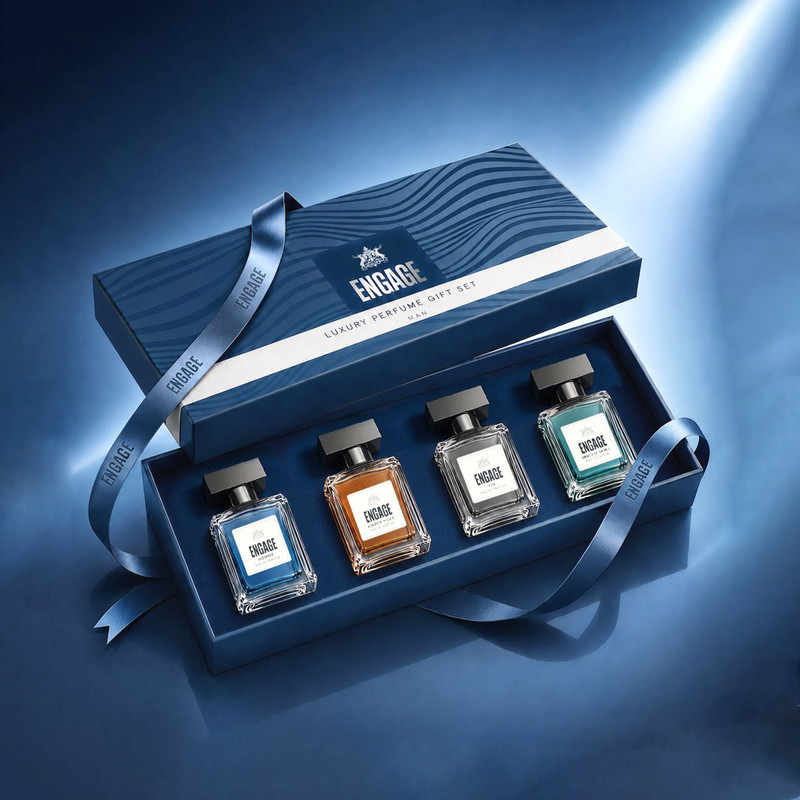
Engage Luxury Assorted Gift Set (20mlX4) 4 Unique Long Lasting EDPs Eau de Parfum - 80 ml(For Men)
Flipkart
Engage Yin is a premium for the modern and suave men. It has a hearty concoction of bergamot and blackcurrant in the top notes with an amber, patchouli woody trail, masculinity in a bottle. Engage Homme is a premium and complex fragrance for the modern man who follows his instincts. The dazzling...
Expected shelf life of unopened perfume
Many unopened fragrances remain usable for several years, and some last considerably longer when their packaging stays intact. There is no guarantee for a particular bottle because storage conditions before you bought it may be unknown. Check the packaging for a batch code or manufacturer guidance when available. More than the calendar alone, look at whether the bottle has been exposed to heat, sunlight, or repeated temperature swings.
How long an opened bottle can remain enjoyable
An opened fragrance may stay enjoyable for several years, especially when you use it regularly and keep it tightly closed. A small bottle that is finished steadily may spend less time aging after opening than a large bottle used only twice a year. There is no need to discard a pleasant scent simply because it has passed an arbitrary age. If the smell remains agreeable and your skin tolerates it, continued use may be reasonable.
Factors that shorten or extend fragrance life
The same perfume can age differently in two homes. These are the main influences you can control:
- Direct sunlight, especially through a bright window, can stress the formula.
- High or fluctuating temperatures can speed up chemical change.
- A loose cap allows more air into the bottle between uses.
- Frequent opening and handling increase exposure to air and warmth.
These habits are simple, but they can make a meaningful difference over several years. Think of storage as part of caring for the product, not as a complicated ritual.
Why natural and synthetic ingredients age differently
Natural materials can change noticeably as their most volatile components fade, while synthetic materials may provide greater consistency in some formulas. That does not mean one category is automatically better or safer. A fragrance with bright citrus or delicate floral notes may seem different sooner than one built around heavier woods, resins, or vanilla-like notes. The formula’s balance matters more than a broad natural-versus-synthetic rule.
Warning signs that perfume has gone bad
Perfume that has changed is not necessarily ruined, but some changes are clear reasons to pause. Look at the liquid, smell it on a test strip, and consider how it feels on your skin. A bottle may darken gently while remaining pleasant, or it may develop an odor that is immediately sour or metallic. Your senses are useful here, but skin safety should always come first.
Changes in color and clarity
A gradual darkening can occur as ingredients age, particularly in formulas with naturally deeper color. Cloudiness, sediment, or a dramatic shift from the original appearance deserves closer attention. Compare the liquid with an earlier photograph or with a sealed bottle of the same fragrance if you have one. Color alone is not a final verdict, because some formulas naturally deepen over time.
Sour, sharp, or stale scent changes
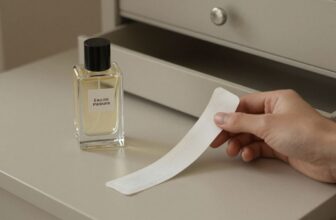
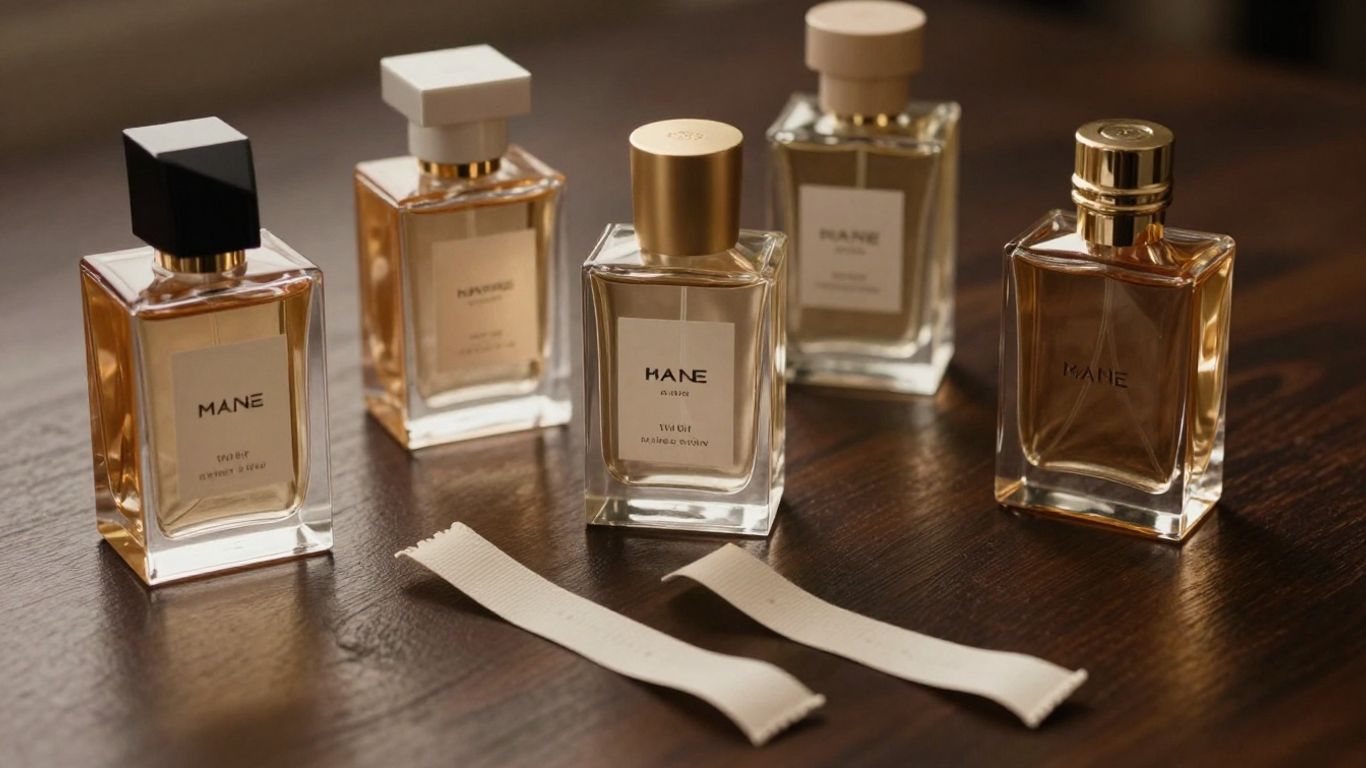
Spray the fragrance onto a paper strip and give it a few minutes before deciding. A harsh vinegar-like note, metallic edge, sourness, or stale smell can indicate that the formula has deteriorated. You may also notice that the opening disappears quickly and leaves an unpleasant dry-down. If your immediate reaction is that something is wrong, do not force yourself to wear it.
Differences in texture or spray performance
A sticky feel, visible particles, or an atomizer that spits instead of producing a fine mist can signal a problem with the liquid or the sprayer. Sometimes the sprayer is clogged while the fragrance itself is fine, so test the scent separately on paper. Do not add water or another liquid to “fix” the bottle. Altering the formula can make its stability and skin tolerance even less predictable.
When a changed fragrance may still be usable
If the scent has become warmer but still smells clean and pleasant, it may simply have matured. Try one small spray on a paper strip, wait through the opening and dry-down, and decide whether you enjoy the result. A changed color with no unpleasant odor is less concerning than a clear odor change. When in doubt, keep it for passive enjoyment or display rather than applying it generously.
How to store luxury perfume correctly
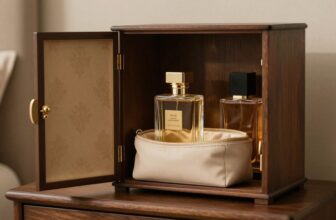
Good storage is mostly about consistency. You want the bottle away from strong light, moisture, and sudden temperature changes, with as little unnecessary air exposure as possible. You do not need specialized equipment or a refrigerator for ordinary home use. A quiet, dry drawer or cabinet is usually more practical than a decorative shelf beside a window.
The best temperature for fragrance storage
Aim for a cool, stable indoor temperature rather than a place that becomes hot during the day. Repeated warming and cooling can be more stressful than a moderate, steady room temperature. Keep perfume away from radiators, heaters, sunny windows, and appliances that release heat. If your home becomes unusually hot, choose the coolest dark cupboard available.
Why light and humidity cause damage
Ultraviolet light can affect aromatic compounds and gradually change the scent or color. Humidity adds another problem by creating a damp environment around the cap and sprayer, even if it does not enter the bottle directly. Keeping the original box can provide another layer of protection. A dark, dry location is usually more helpful than displaying a beautiful bottle in direct light.
Where to keep perfume at home
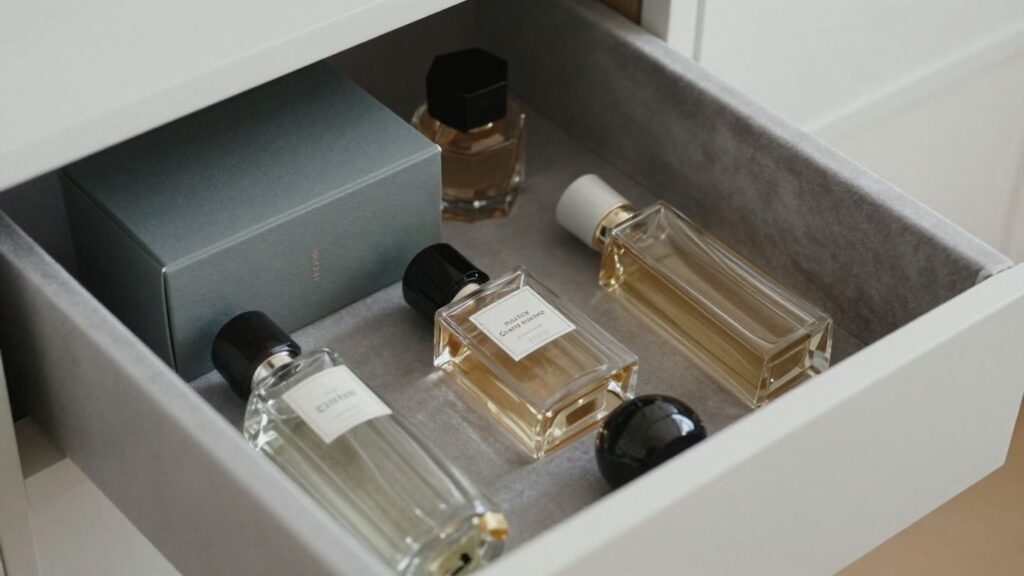
A bedroom dresser drawer, wardrobe shelf, or interior cabinet can work well if it stays dry and reasonably cool. Keep bottles upright so the liquid does not sit unnecessarily against the cap or sprayer. Leave the original packaging in place when convenient, especially for a fragrance you use only occasionally. If you are building a thoughtful shopping list, PromoDeals also offers practical shopping tips and guides that can help you compare value before buying another bottle.
Why the bathroom and car are poor storage locations
Bathrooms experience frequent swings in heat and humidity from showers, while cars can become extremely hot even on a mild sunny day. Those conditions can speed up fragrance changes and weaken packaging or seals. Carrying perfume in a car for a short trip is different from storing it there permanently, but you should bring it indoors afterward. The same caution applies to windowsills and steamy vanity areas.
How to make your perfume last longer
The easiest way to extend a fragrance’s useful life is to reduce avoidable exposure. Small habits, such as replacing the cap immediately and storing the bottle in the same cool location, add up. You can also choose a bottle size that matches how often you wear the scent. These steps help preserve both the aroma and the money you spent on it.
Keep the bottle tightly sealed
Replace the cap after every use and check that it sits securely. If the bottle has a screw top, close it gently but fully; if it has an atomizer, avoid leaving it exposed. Do not decant the entire bottle into a decorative container unless you know the replacement is suitable for fragrance. A tight seal slows oxidation and keeps dust or moisture away from the opening.
Avoid shaking the fragrance unnecessarily
Perfume does not need to be shaken before each spray. Agitation can introduce more air into the liquid and may create bubbles that make the sprayer less consistent. A gentle, upright application is enough. If the bottle has been moved during travel, let it settle before judging its scent or spray pattern.
Choose the right bottle size and usage habits
A smaller bottle can make sense if you rotate several fragrances or wear perfume only on special occasions. A larger bottle may be better value when you use the same scent often and can finish it while it is still fresh. Avoid leaving the cap off while deciding where to spray. Store fragrances together in a stable place rather than moving them from room to room.
Protect travel bottles from heat and sunlight
Use a well-sealed travel atomizer and keep it inside a pouch or bag, away from direct sun. Do not leave it in a parked car, on a beach towel, or beside a hot window. Travel-size containers are convenient, but their small volume does not protect them from heat. Once you return, move the bottle back to your usual cool storage spot.
When to stop using or replace an old perfume
There is no need to throw away every old bottle, but you should be selective about what goes on your skin. A fragrance that smells unpleasant, looks dramatically different, or causes irritation has reached a practical stopping point. If you are unsure, preserve the bottle as a keepsake and replace it with a fresh one. PromoDeals is designed to gather offers and price drops in one place, which can make replacing a worn-out favorite easier to research.
Skin reactions and other safety concerns
Stop using a fragrance if it causes burning, itching, redness, swelling, or another unusual reaction. Do not assume an old perfume is the only possible cause, but avoid reapplying it while you investigate. A scent that smells fine can still irritate sensitive skin, especially if the formula has changed. Seek medical advice for a severe or persistent reaction.
How to test an older fragrance cautiously
Start with a paper strip rather than your wrist or neck. If the scent smells clean and you still want to try it, apply one small spray to an area of skin that is easy to monitor. Wait several hours before using it more widely, and do not test multiple questionable products at once. This cautious approach helps you separate an unpleasant aroma from an actual skin response.
Whether vintage perfume is worth keeping
Vintage perfume can be worth keeping when you enjoy its character, the bottle has sentimental value, or the formula remains pleasant. Age may bring a softer or deeper profile that some people prefer. It is not worth keeping for regular wear if it smells sour, causes irritation, or has developed visible contamination. Treat the decision as personal enjoyment rather than proof that older always means better.
How to dispose of expired perfume responsibly
Do not pour a large amount of perfume down the sink or onto soil. Check your local household hazardous-waste or municipal disposal guidance, especially for larger bottles or fragrance with a high alcohol content. Keep the container closed while you arrange disposal, and reuse or recycle packaging only when local rules allow it. If the bottle is valuable as an object, emptying it safely and retaining the glass may be an alternative.
Conclusion
Luxury perfume does not follow one fixed expiration date, but it does respond to time and its surroundings. Store your bottles in a cool, dark, dry place, watch for unpleasant changes, and let your own senses and skin response guide the decision to keep or replace a fragrance.
Frequently Asked Questions
Does luxury perfume expire?
It can gradually lose its intended character, although it usually does not spoil overnight like food. Storage, ingredients, air exposure, and light all influence how long it remains enjoyable.
How long does unopened perfume last?
Unopened perfume can remain usable for several years and sometimes longer when kept sealed in a cool, dark, stable environment. The exact lifespan depends on the formula and its storage history.
Can you use perfume after five years?
Yes, if it still smells pleasant, looks reasonably normal, and does not irritate your skin. Test it cautiously rather than relying on age alone.
What does oxidized perfume smell like?
Oxidized perfume may smell sour, metallic, sharp, stale, or unusually flat. The opening may also disappear quickly, leaving a dry-down that feels unpleasant or unbalanced.
Is a darker perfume automatically bad?
No. Some fragrances naturally darken as they age, and color change by itself does not prove deterioration. Consider the scent, clarity, texture, and skin response together.
Should perfume be stored in the refrigerator?
Usually, a cool, stable cupboard is enough. Refrigeration is not necessary for most home collections, and repeated temperature changes when taking the bottle in and out may be unhelpful.
Can old perfume cause a skin reaction?
It can, particularly if the formula has changed or your skin has become more sensitive. Stop using it if you notice irritation and seek medical advice for a severe or persistent reaction.