Why Does an Automatic Watch Stop When You Are Not Wearing It? Causes, Power Reserve, and Care Tips

Key Takeaways
An automatic watch usually stops because its stored energy has run out, not because it has been damaged. These points will help you understand what is normal and what deserves attention.
- The rotor winds the mainspring as your wrist moves.
- A stopped watch often has simply exhausted its power reserve.
- Power reserves commonly last around 38 to 48 hours, though models vary.
- Hand-winding is usually the simplest way to restart a stopped movement.
- Repeated stopping, severe inaccuracy, or abnormal resistance may call for servicing.
- How an automatic watch stores and uses energy
- Why an automatic watch stops when it is off your wrist
- How long an automatic watch should run when unworn
- How to restart an automatic watch safely
- When stopping may indicate a mechanical issue
- How to store an automatic watch when you are not wearing it
- How to maintain an automatic watch over time
- Conclusion
- Frequently Asked Questions
- Why does an automatic watch stop when you are not wearing it?
- How long can an automatic watch run off the wrist?
- Is it bad to let an automatic watch stop?
- Should you shake a stopped automatic watch?
- Can you wind an automatic watch by hand?
- When should a stopped automatic watch be serviced?
- Is a watch winder necessary for an automatic watch?
How an automatic watch stores and uses energy
An automatic watch is powered by mechanical energy rather than a disposable battery. As you wear it, movement is converted into stored energy, which is then released gradually to drive the hands. Understanding this cycle makes the answer to “Why Does an Automatic Watch Stop When You Are Not Wearing It?” fairly straightforward. The watch can only keep running while it has energy available.
The role of the mainspring
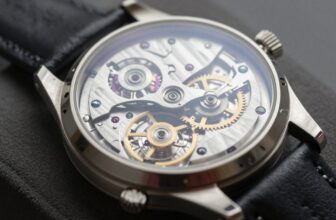
Inside the movement, the mainspring is a long, coiled strip of metal. Winding tightens the spring, and its slow release supplies energy to the gears, escapement, and balance. Once the spring has unwound fully, the movement no longer has enough force to keep the balance oscillating, so the hands stop.
The spring does not need to be completely unwound before you wear the watch again. Even a partial reserve can keep it running for a while, although a short period of wear may not restore a full reserve.
How the rotor winds the movement
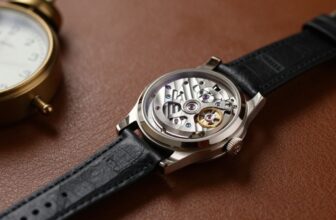
The rotor is a weighted component that can turn as your wrist changes position. Its motion transfers energy through the winding system and tightens the mainspring. The process is gradual, so ordinary, varied wrist movement is generally more useful than a few abrupt motions.
This differs from wearable technology such as smart rings, which use sensors and software to track activity and other health-related patterns rather than storing mechanical energy for a watch movement. The comparison is useful because both respond to movement, but they use it for entirely different purposes.
Why wrist movement matters
If you spend much of the day sitting still, working at a desk, or wearing the watch loosely, the rotor may receive less motion than you expect. A watch can therefore stop even when you wore it for several hours. Daily wear does not automatically mean the mainspring reached its maximum wind.
Movement also varies from person to person. A long, active day may keep one watch running well into the next day, while a quiet day may add relatively little energy. That is normal behavior for a self-winding mechanical watch.
What the power reserve means
Power reserve is the approximate time a fully wound watch can run without additional winding. It begins when the movement has reached its available winding level and ends when the stored energy is depleted. It is a running-time measure, not a promise that the watch will always remain powered during ordinary wear.
A watch with a 40-hour reserve may stop after sitting untouched for a weekend. A longer-reserve movement may continue for several days. The figure matters most when you are deciding how long the watch can remain off your wrist before it needs attention.
Why an automatic watch stops when it is off your wrist
When you remove an automatic watch, its rotor normally stops adding meaningful energy to the mainspring. The movement then draws down whatever reserve was already stored. If that reserve is smaller than the time the watch spends unworn, stopping is expected. Promo Deals focuses on practical buying information, and this is one specification worth checking before choosing a mechanical watch.
The power reserve has been exhausted
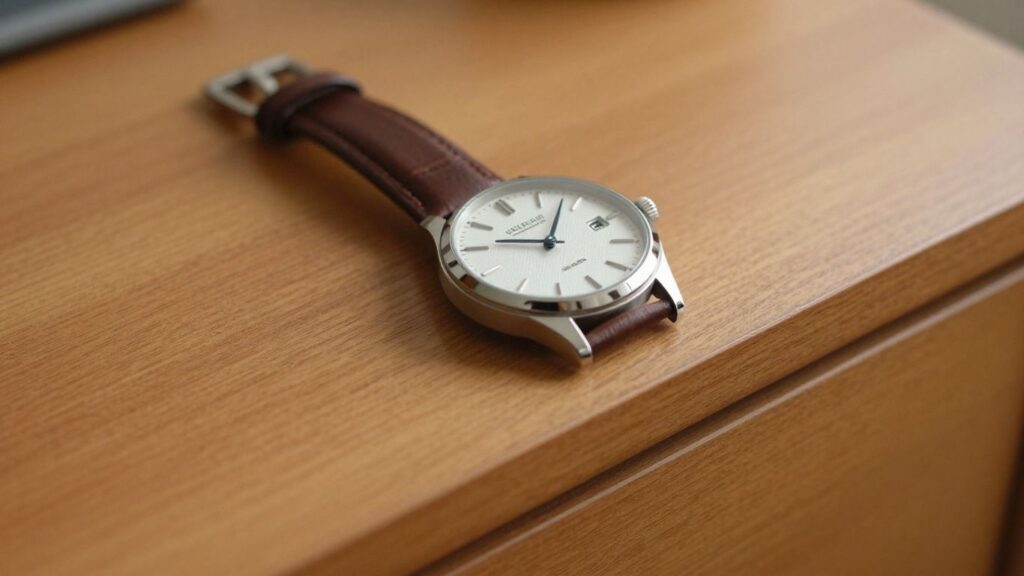
The most common explanation is simply that the mainspring has unwound. If the watch ran normally while you wore it and stopped after resting overnight or for a day or two, depleted reserve is the likely cause. Restarting it does not mean you have found a fault.
A watch may also stop sooner if it was only lightly wound before you removed it. The time since your last wear is less useful than the amount of energy the movement had stored at that moment.
Normal movement during daily wear
Even regular wear may not keep the watch running continuously. Walking, typing, driving, and other activities create different amounts of rotor motion, and the winding system does not convert every movement into equal energy. The watch may gain energy slowly while also consuming it.
If you remove it at night, check it in the morning, and find it stopped after a short reserve, repeat the test after giving it a proper hand-wind. That separates a low starting reserve from a possible mechanical issue.
Differences between watch movements
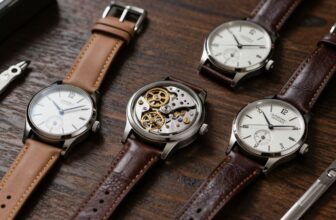
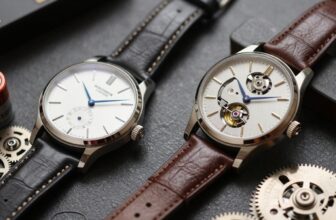
Power reserves differ between movements, even when the watches look similar. Some are designed to run for roughly a day and a half, while others offer two days or more. The winding efficiency, spring capacity, and movement design all affect the result.
For that reason, avoid judging your watch against a friend’s watch or against a general number found online. The manufacturer’s specifications and the watch’s own behavior are more useful references. A general automatic watch stopping guide can provide background, but your model’s instructions should take priority.
Why stopping does not usually indicate damage
A stopped automatic watch is often behaving exactly as designed. When no wrist motion replenishes the mainspring, the movement protects itself from neither harm nor extra wear by continuing; it simply reaches the end of its reserve. Leaving it unwound for a while is generally not a problem by itself.
The more meaningful question is what happens after you restart it. If it runs for its expected period and keeps reasonable time, the stoppage was probably routine. Repeated short runs or sudden changes in behavior deserve closer attention.
How long an automatic watch should run when unworn
There is no single answer for every automatic watch. The expected time depends on the movement, how fully it was wound, and how much energy was stored before you took it off. A useful check involves measuring the run from a known full wind rather than guessing from a single overnight stoppage.
Typical power reserve ranges
Many everyday automatic movements run for approximately 38 to 48 hours when fully wound. Some provide less, while newer or specially designed movements can run substantially longer. Treat these figures as broad guidance, not a universal standard.
The practical takeaway is simple: a watch that stops after two days on a dresser may be normal, while a watch advertised to run for several days should be assessed against that specification. The stated reserve gives you the fairest benchmark.
Factors that affect running time
The watch’s measured running time can vary slightly depending on how completely it was wound and the condition of the movement. Friction, old lubricants, and winding efficiency can also affect how much energy reaches the regulating system. Position and temperature may influence performance as well, although they do not replace the basic power-reserve limit.
When comparing results, use the same method each time. Wind the watch consistently, note the starting time, and record when it stops. This is more informative than relying on memory.
How to check the stated power reserve
Look at the manual, technical specifications, or movement reference supplied by the manufacturer. If the watch has a display or indicator, use it as a guide, but remember that the indicator may not be perfectly precise. You can also perform a simple home test if the watch’s instructions allow manual winding.
A small comparison table can make the expected pattern easier to see:
| Situation | What you may observe | Likely interpretation |
|---|---|---|
| Light wear, then storage | Stops relatively soon | The reserve was not fully replenished |
| Full wind, then storage | Runs near the stated period | Normal reserve behavior |
| Full wind, short running time | Stops well before specification | Possible maintenance issue |
| Repeated stopping while worn | Reserve never builds normally | Winding or mechanical concern |
The table is only a starting point. If your result falls short by a small amount, repeat the test under consistent conditions before drawing a conclusion.
When a shorter reserve may signal a problem
A shorter reserve becomes more concerning when the watch is fully wound and still stops far earlier than its stated running time. It is also worth investigating when the watch used to run normally but has gradually lost reserve. Those changes can point to friction, wear, poor winding efficiency, or overdue maintenance.
Keep a brief record of the test and avoid opening the case yourself. A professional can inspect the movement without introducing dust or compromising the case seals.
How to restart an automatic watch safely
Restarting an automatic watch is usually uncomplicated, but a gentle method is best. You want to provide controlled energy rather than forcing the movement to respond. Start with the manufacturer’s instructions if they are available, particularly if the crown has unusual positions or a screw-down design.
Winding the crown by hand
With the crown in its normal winding position, turn it slowly in the direction specified for the watch. Many automatic movements accept manual winding, and a number of careful turns can give a stopped watch enough energy to begin running. Stop if you feel unusual resistance, grinding, or slipping.
Do not assume that a long period of rapid winding is better. The goal is to start the movement and provide a useful reserve, not to test the crown’s limits.
Setting the time and date correctly
Once the watch is running, set the time carefully. If it has a date display, follow the manual’s guidance about when to use the quick-set date function. On many movements, changing the date near the automatic changeover period can put stress on the date mechanism.
If you are unsure whether the watch is showing morning or evening, move the hands through a full 12-hour cycle and observe when the date changes. That small check helps prevent the date from changing at noon.
Using gentle wrist motion
After a little hand-winding, you can place the watch on your wrist and let normal movement continue the process. A calm, natural motion is enough; you do not need to swing your arm dramatically. The watch should begin keeping time once the balance is oscillating consistently.
Give it time to settle before judging accuracy. A watch that has just restarted may need a short period of normal operation before its behavior is clear.
When to avoid shaking the watch
Avoid vigorous shaking, snapping your wrist, or spinning the watch aggressively. Those actions add impact without giving you a reliable way to diagnose the movement. They can also place unnecessary stress on the rotor and winding components.
A safer restart sequence is:
- Check that the crown is in the correct position.
- Wind slowly and stop if resistance feels abnormal.
- Set the time and date using the manufacturer’s instructions.
- Wear the watch normally and observe its running time.
This approach gives you useful information while keeping the handling gentle. If the watch still stops quickly, repeating the same forceful motion will not solve the underlying cause.
When stopping may indicate a mechanical issue
Stopping becomes more significant when it is paired with another change in performance. A movement that once ran reliably but now loses power quickly, gains or loses substantial time, or feels different at the crown deserves inspection. Promo Deals’ practical guides are intended to help you compare options, but mechanical diagnosis belongs with a qualified watch professional.
The watch stops soon after being fully wound
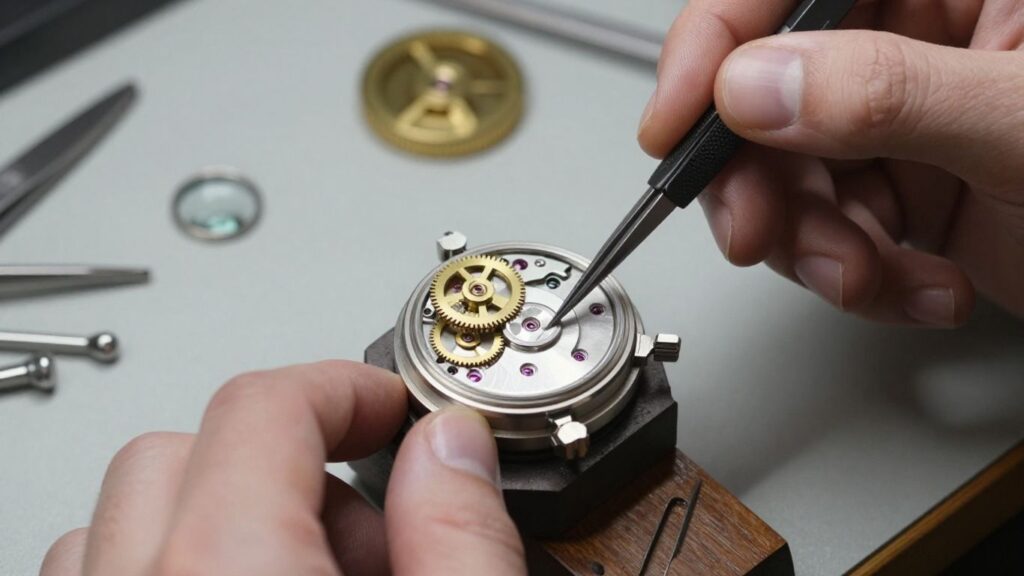
If the watch is fully wound and stops after only a few hours, the problem is unlikely to be ordinary lack of wrist movement. Possible causes include excessive friction, a problem in the winding system, or an issue affecting the escapement. You should not keep restarting it repeatedly while hoping the behavior will correct itself.
Record how long it runs and whether the hands stop at a similar point each time. That information can help a technician narrow down the fault.
Timekeeping becomes unusually inaccurate
Mechanical watches naturally vary somewhat in timekeeping, but a sudden and large change is worth taking seriously. Losing or gaining much more time than usual can follow an impact, magnetization, contamination, or a service-related issue. It may also appear alongside a reduced power reserve.
Accuracy should be judged over more than a few minutes. Compare the watch with a reliable reference over a day or two, and note the conditions rather than relying on a quick glance.
The crown or rotor feels abnormal
The crown should wind with a consistent, controlled sensation appropriate to the movement. Grinding, slipping, stiffness, or a crown that will not seat properly are warning signs. You may also notice an unusual rattle or scraping sound from the rotor.
Do not remove the case back to investigate. Even a small opening can expose the movement to dust and moisture, and a water-resistant case may need pressure testing afterward.
Signs of magnetism, impact, or contamination
Strong magnetic fields can affect the rate of some mechanical movements, while a drop or sharp knock can disturb delicate components. Moisture, dust, and degraded lubricants may also interfere with normal operation. A watch that begins behaving badly after one of these events should be checked even if it continues to run.
External clues include condensation under the crystal, a loose crown, visible damage, or a sudden change in the seconds hand’s behavior. Keep the watch away from the suspected source and arrange an inspection.
When to seek professional servicing
Seek professional help when the watch repeatedly stops after a full wind, loses significant time, shows moisture, or has suffered an impact. Servicing may involve cleaning, lubrication, regulation, and replacement of worn parts, depending on the movement’s condition.
A watch that merely stops after sitting for longer than its power reserve usually does not need immediate service. The pattern after restarting is what helps distinguish normal behavior from a developing fault.
How to store an automatic watch when you are not wearing it
Storage does not need to keep an automatic watch running. In many cases, allowing it to stop is simpler than operating a winder continuously. The main goals are to prevent scratches, moisture exposure, magnetism, and unnecessary impact while the watch is off your wrist. A padded watch box or a clean, secure drawer is usually enough.
Keeping the watch in a stable, dry location
Choose a place with steady temperature and low humidity. Keep the watch away from loose objects that could scratch the crystal, case, or bracelet. If you store several watches together, separate them with soft fabric or individual compartments.
A dry, ordinary room is generally preferable to a bathroom, damp basement, or unprotected windowsill. Stability matters more than creating elaborate storage conditions.
Protecting it from heat, moisture, and magnets
Avoid direct sunlight, radiators, hot cars, and areas with repeated temperature swings. Keep the watch away from speakers, magnetic clasps, and other strong magnetic sources. Water resistance also depends on the condition of the case and seals, so storage cannot compensate for a compromised case.
Before putting the watch away, make sure it is dry. If you notice condensation beneath the crystal, do not wait for it to disappear on its own; arrange professional attention.
Whether a watch winder is necessary
A watch winder can keep an automatic movement running, but it is not essential for safe storage. If you do not mind resetting the time and date when you wear the watch again, letting the reserve run down is perfectly practical. A winder adds convenience, not a universal maintenance requirement.
Consider one only if your routine makes repeated resetting inconvenient or if the manufacturer gives specific guidance for the movement. Choose a device with appropriate settings rather than assuming continuous operation is always better.
Positioning the watch during storage
Place the watch on a soft cushion or lay it flat where it cannot roll or fall. The storage position may influence the rate slightly, but it is less important than protecting the case from impact and moisture. Avoid leaving it crown-down against a hard surface.
If you are storing it for a long period, check it occasionally for moisture, strap deterioration, or accidental pressure on the crown. A quick visual check can prevent a small storage problem from becoming a larger one.
How to maintain an automatic watch over time
Good maintenance is mostly consistent, low-effort care. You do not need to keep the watch running every day, but you should pay attention to changes in reserve, accuracy, winding feel, and water resistance. Promo Deals encourages readers to compare practical value before buying, and service needs are part of the long-term cost of owning a mechanical watch.
Following recommended service intervals
Follow the service interval recommended for your movement or watch model rather than relying on a universal calendar. Service timing can depend on use, environment, age, and the manufacturer’s guidance. If the watch remains accurate and healthy, that is useful information, but it does not replace the stated recommendations.
Keep records of servicing and note any unusual symptoms beforehand. A clear history helps the technician understand whether the issue is new or recurring.
Protecting water resistance
Water resistance is not permanent. Seals age, crowns can be damaged, and case components may lose their original protection after opening. Avoid operating the crown around water and have the watch tested after relevant repairs or battery-like case work, even though an automatic watch does not use a battery.
Do not treat a resistance rating as permission for every activity. Follow the manufacturer’s limits and rinse away salt or chlorine when the watch is designed to tolerate that exposure.
Checking the condition of seals and lubrication
Seals protect the case while lubricants help moving parts operate with controlled friction. Both can deteriorate over time, particularly with heat, moisture, heavy use, or long service gaps. A watch may continue to run while gradually becoming less efficient.
Warning signs include reduced power reserve, noisy operation, difficulty winding, or a noticeable change in accuracy. These symptoms are reasons to arrange an inspection, not to add household oil or attempt a DIY repair.
Balancing regular wear with proper storage
Wear the watch when it suits your routine, and store it safely when it does not. If it stops after sitting beyond its reserve, restart it gently and reset the time. There is no need to keep it on a winder simply to avoid seeing the hands stop.
The best care routine is one you can follow consistently: keep it dry, avoid impacts and strong magnets, observe changes, and service it when the movement’s condition calls for professional attention. For more general maintenance perspective, this guide to letting an automatic watch stop covers why an unwound movement is not automatically being harmed.
Conclusion
An automatic watch stops when its stored mechanical energy runs out, which is usually normal after it has been off your wrist longer than its power reserve. Restart it with careful hand-winding, check the manufacturer’s instructions, and watch for warning signs such as a very short run time, unusual accuracy changes, or abnormal crown and rotor behavior. With sensible storage and timely servicing, stopping between wears is simply part of owning a mechanical watch.
Frequently Asked Questions
Why does an automatic watch stop when you are not wearing it?
Without wrist movement, the rotor no longer replenishes the mainspring. Once the stored energy is used, the movement stops until you wind it or wear it again.
How long can an automatic watch run off the wrist?
Many automatic watches run for roughly 38 to 48 hours when fully wound, but the exact period depends on the movement. Check the manufacturer’s stated power reserve for the most accurate answer.
Is it bad to let an automatic watch stop?
Usually not. Allowing the power reserve to run down while the watch is stored generally does not damage the movement, although repeated symptoms after restarting may indicate a maintenance issue.
Should you shake a stopped automatic watch?
No. Gentle hand-winding is a more controlled way to restart it. Vigorous shaking can create unnecessary impact and does not reliably fix a mechanical problem.
Can you wind an automatic watch by hand?
Many automatic watches support manual winding through the crown. Turn it slowly and follow the instructions for your specific model, stopping if you feel unusual resistance or grinding.
When should a stopped automatic watch be serviced?
Arrange professional inspection if it stops soon after a full wind, becomes unusually inaccurate, shows moisture, or develops abnormal crown or rotor sensations. A normal stoppage after the reserve expires does not usually require service.
Is a watch winder necessary for an automatic watch?
No. A winder is mainly a convenience for keeping the watch running and avoiding resets. Safe, dry storage is sufficient if you are comfortable setting the time and date again.