
Key Takeaways
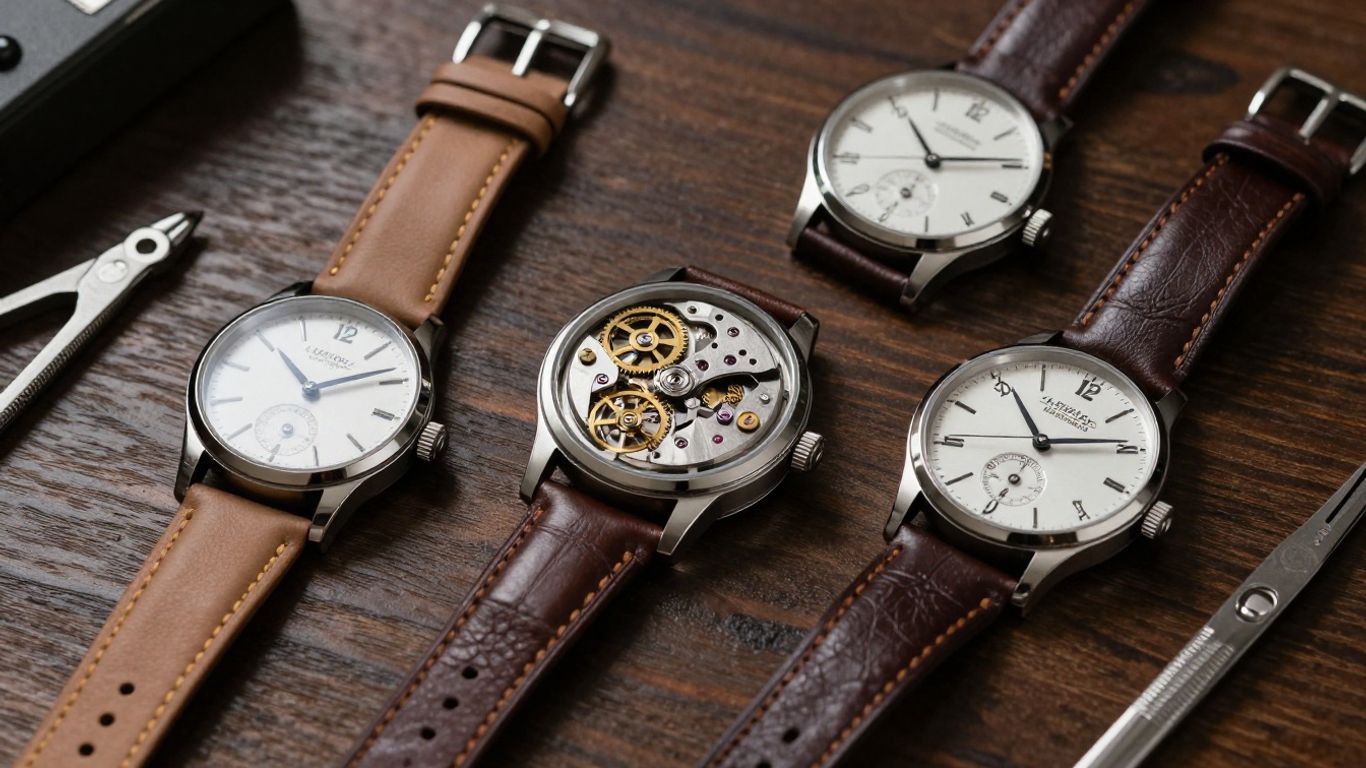
Mechanical watches are powered by a wound mainspring, while automatic watches are mechanical watches that wind themselves through wrist movement. Both require care and offer a more hands-on experience than quartz, but the better choice depends on how you wear and value a watch.
- Manual-wind watches need regular winding by hand.
- Automatic watches use wrist motion to wind the mainspring.
- Neither mechanical type is usually as accurate as quartz.
- Servicing, protection from moisture, and careful handling extend lifespan.
- Your wearing habits matter more than the label alone.
- Understanding mechanical and automatic watch movements
- How mechanical and automatic watches work
- Key differences between mechanical and automatic watches
- Comparing maintenance, durability, and longevity
- Choosing the right movement for your lifestyle
- Mechanical and automatic watches compared with quartz
- Conclusion
- Frequently Asked Questions
- Is an automatic watch mechanical?
- Do mechanical watches need batteries?
- Which is more accurate, manual or automatic?
- Can an automatic watch stop if you do not wear it?
- How often should a mechanical watch be serviced?
- Are automatic watches thicker than manual watches?
- Are mechanical watches better than quartz watches?
Understanding mechanical and automatic watch movements
The phrase “mechanical vs automatic watches” can make these movements sound like entirely separate technologies. They are not. Automatic is one kind of mechanical movement, while the other common kind is manual-wind. Once you understand their shared foundation, the difference becomes much easier to follow.
How mechanical watch movements measure time
A mechanical watch measures time through a carefully regulated release of energy rather than a battery or electronic oscillator. When you wind the watch, a coiled mainspring stores energy and gradually sends it through a series of gears. An escapement and balance wheel divide that release into regular intervals, moving the hands across the dial.
The movement is not perfectly silent or perfectly uniform. Its accuracy depends on its construction, adjustment, condition, and position. That variation is part of the character of a traditional mechanical watch, though it also means you should not expect quartz-level precision.
What makes an automatic watch self-winding
An automatic watch contains the same basic mechanical engine but adds a rotating weight, commonly called a rotor. As your wrist moves, the rotor turns and transfers energy to the winding system. That energy tightens the mainspring without requiring you to turn the crown every day.
Self-winding does not mean the watch creates unlimited power. The rotor can wind the movement only while there is enough wrist activity and available winding capacity. If you leave the watch unused for long enough, it will eventually stop.
The relationship between manual-wind and automatic movements
Manual-wind and automatic watches share the mainspring, gear train, escapement, and balance system. Their main difference is how energy reaches the mainspring. You provide that energy directly with a manual-wind watch; an automatic watch can receive it from your wrist through its rotor.
That distinction changes the ownership routine, not the basic nature of the watch. A manual movement can be slimmer because it does not need a rotor, while an automatic movement can be easier to live with if you wear it frequently.
Why both types are considered mechanical watches
Both types rely on physical parts moving in a controlled sequence. Neither needs a battery to drive the timekeeping mechanism, and both are built around stored spring energy and a regulating assembly. This is why “automatic” should be understood as a winding method, not as an alternative to mechanical watchmaking.
For a broader technical overview, you can read this watch movement guide, which explains the mainspring, balance wheel, and escapement in more detail.
How mechanical and automatic watches work
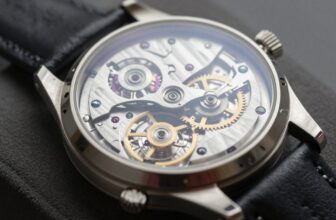
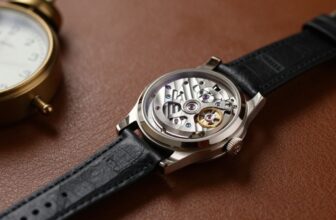
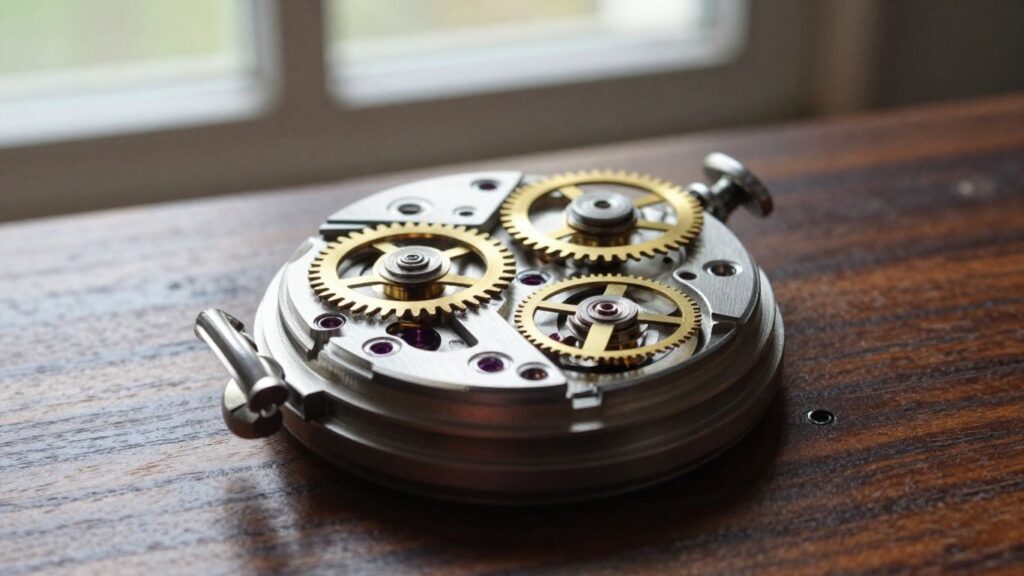
Although a mechanical movement can look complicated through a display caseback, its logic is fairly orderly. Energy is stored, transmitted, regulated, and finally converted into the motion of the hands. The same sequence applies to both manual and automatic watches; only the first step differs.
The role of the mainspring and gear train
The mainspring is a narrow coil of metal housed inside a barrel. Winding it stores potential energy, and the spring slowly unwinds as the watch runs. The gear train passes that energy along while reducing and organizing the speed so the hour, minute, and seconds hands move at the correct relative rates.
The gears do not simply spin freely. Without regulation, the spring would release its energy quickly and the watch would run down almost at once. The rest of the movement exists to control that release.
Escapement, balance wheel, and timekeeping
The escapement meters the energy arriving from the gear train. It works with the balance wheel and hairspring, which oscillate back and forth at a defined rhythm. Each oscillation allows a small, measured amount of energy through, creating the characteristic stepping motion of the gears and the smooth-looking sweep of the seconds hand.
Small changes in lubrication, temperature, magnetism, or physical position can affect that rhythm. That is why a mechanical watch’s performance can vary from day to day even when the movement is operating normally.
How hand-winding powers a manual watch
With a manual-wind watch, you turn the crown to tighten the mainspring. As the spring stores energy, the watch gains a reserve that allows it to run for a set period, often somewhere around a day or two, depending on the movement. You repeat the process when the reserve is nearly exhausted.
A gentle routine is usually best. Turn the crown steadily and stop when you feel firm resistance rather than forcing it. The exact winding guidance can vary by movement, so the manufacturer’s instructions should take priority.
How wrist movement winds an automatic watch
An automatic watch uses the rotor’s motion to wind the mainspring as you move naturally. A reversing system allows the winding mechanism to transfer energy from rotor movement, even when the rotor turns in different directions. You may also be able to wind the watch manually through its crown.
The rotor does not guarantee continuous operation. If you spend much of the day sitting still or remove the watch overnight, the reserve may not be fully replenished. In that case, you can wind and reset it before wearing it again.
Key differences between mechanical and automatic watches
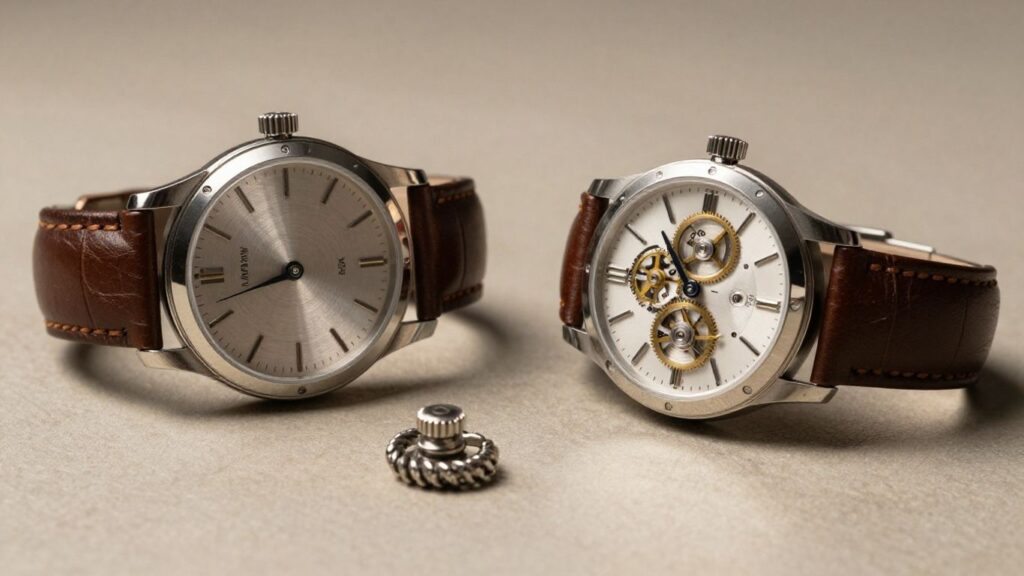
The central difference is simple: manual mechanical watches are wound by hand, while automatic mechanical watches are wound by wrist motion. The practical consequences are more nuanced. Case thickness, power reserve, accuracy, and your personal routine can all influence which type feels right.
Winding requirements and daily convenience
A manual-wind watch asks you to participate in its operation. For some people, that brief daily ritual is part of the appeal. An automatic watch reduces that task when you wear it regularly, although it still needs occasional setting after the reserve runs out.
You can think of the choice as a routine preference rather than a quality ranking. Manual winding offers direct control; automatic winding offers more convenience during consistent wear.
Accuracy and expected performance
Neither manual nor automatic movements are automatically more accurate simply because of their winding method. Accuracy is influenced by movement design, adjustment, servicing, magnetism, shocks, and the conditions in which you wear the watch. A well-regulated movement may perform very well, but some daily gain or loss is normal.
When comparing watches, ask for the manufacturer’s stated tolerance or testing standard rather than assuming every mechanical watch performs identically. The winding system alone does not tell you enough.
Power reserve and what happens when a watch stops
Power reserve is the length of time a fully wound watch can run without receiving more energy. A stopped manual watch needs winding before it can run again. A stopped automatic watch needs winding, wrist movement, or both, followed by a time and date reset if necessary.
The reserve is especially relevant if you rotate several watches. A longer reserve may reduce how often you reset a watch, but it does not remove the need to check it after extended storage.
Thickness, weight, and movement design
Automatic movements generally need room for their rotor and winding components. That can affect the thickness or weight of the finished watch, though case design and materials matter too. Manual-wind watches can offer a thinner profile and a more direct view of the movement’s architecture.
Here is a quick comparison of the practical distinction:
| Feature | Manual-wind mechanical | Automatic mechanical | What it means for you |
|---|---|---|---|
| Primary energy input | Turning the crown | Wrist motion and sometimes crown winding | Your routine determines convenience |
| Rotor | Not required | Required for self-winding | Automatic designs may need more space |
| If left unused | Eventually stops | Eventually stops | Both require resetting after the reserve ends |
| Daily interaction | Usually more frequent | Often less frequent during regular wear | Choose the ritual you enjoy |
The table shows why neither movement is universally better. The useful question is whether you prefer an intentional winding ritual or a watch that can replenish its reserve while you wear it.
Comparing maintenance, durability, and longevity
A mechanical watch is a small machine with moving parts, so maintenance is part of ownership rather than an unusual event. Manual and automatic movements both need cleaning, lubrication, inspection, and adjustment over time. Good care can preserve the movement, but it cannot make a delicate mechanism immune to damage.
Recommended servicing intervals
Service timing depends on the movement, age, use, and manufacturer guidance. Many watchmakers suggest an inspection or complete service after several years, but a calendar interval should not override symptoms such as poor accuracy, reduced reserve, or unusual noise. Water resistance should also be checked separately, particularly if you wear the watch around water.
Ask what a service includes before approving the work. Cleaning and lubrication, worn-part replacement, regulation, seals, and water-resistance testing may all be handled differently depending on the watch.
Common causes of wear and damage
The most ordinary causes of trouble are dried or degraded lubricants, worn pivots, damaged seals, accidental impacts, and moisture entering the case. Automatic watches also contain additional winding parts, including the rotor and its support, which can require attention. Manual watches have fewer winding components but still contain many precision parts.
If a watch begins losing a noticeable amount of time or stops sooner than expected, do not assume that repeated winding will solve it. A watchmaker can identify whether the issue is adjustment, contamination, wear, or damage.
The impact of magnetic fields, shocks, and moisture
Strong magnetic fields can affect the hairspring and cause a mechanical watch to run unusually fast or slow. Shocks can disturb the balance assembly or damage pivots, while moisture can corrode components and degrade lubricants. These risks apply to both manual and automatic movements.
A practical protection routine is straightforward:
- Keep the watch away from strong magnets and magnetic closures.
- Remove it for activities involving hard impacts or heavy vibration.
- Follow the water-resistance limits rather than treating them as permanent guarantees.
- Have seals checked when the watch is serviced or used frequently around water.
These habits reduce avoidable stress, but they do not replace professional inspection. Water resistance also declines as seals age, even when the case appears undamaged.
How proper care affects a watch’s lifespan
A well-maintained mechanical watch can remain usable for many years, and some are passed between generations. Longevity depends on parts availability, service quality, storage, and how the watch is worn. Keeping the crown closed, storing the watch in a dry place, and responding early to performance changes all help.
If you are comparing long-term ownership costs, look beyond the initial discount. Promo Deals gathers promotional offers and price drops in one place, but the best value still depends on service access and the condition of the specific watch.
Choosing the right movement for your lifestyle
The best movement is the one that fits your actual habits. A watch that looks attractive in a display can become frustrating if its winding routine conflicts with your schedule. Before buying, consider how often you wear a watch, whether you rotate several pieces, and how much hands-on interaction you enjoy.

When a manual-wind watch may be the better choice
A manual-wind watch may suit you if you appreciate a thin case, a lighter design, or the simple act of winding each morning. It can also be a good fit if you want a movement with no automatic rotor. The routine is predictable, provided you remember to wind it before the reserve runs out.
This style often appeals to people who see a watch as more than a passive time display. The daily interaction becomes part of the ownership experience.
When an automatic watch offers greater convenience
An automatic watch can be more convenient when you wear the same watch most days. Your normal movement helps replenish the mainspring, so you may not need to wind it manually as often. It is still not a set-and-forget device, especially if you leave it off for a weekend or longer.
The advantage is strongest when your wearing pattern is consistent. If you frequently switch watches, the convenience may be less noticeable because each unused watch will eventually stop.
Matching the movement to your wearing habits
Look at your week rather than your idealized routine. If you wear a watch daily, automatic winding may reduce small maintenance tasks. If you wear one only on special occasions, a manual watch can be just as practical, since you will probably need to wind and set either type before wearing it.
Think through these questions before choosing:
- Will you wear this watch most days or rotate it?
- Do you enjoy winding a crown, or would you rather avoid it?
- Are case thickness and weight important to you?
- Can you access dependable servicing where you live?
Your answers narrow the choice more reliably than a broad claim about which movement is superior. A good purchase matches the way you live, not just the mechanism you admire.
Considering budget, design, and personal preference
Price reflects more than winding type. Case materials, finishing, movement complexity, brand positioning, condition, and service history can all change the cost. When comparing offers, use a practical product buying guide approach: define your needs, compare the full ownership picture, and separate useful features from attractive extras.
Promo Deals helps shoppers find discounts and promotional deals across the internet, but a lower price should not persuade you to overlook authenticity, warranty terms, return conditions, or future servicing. The movement should fit your priorities first; the deal comes second.
Mechanical and automatic watches compared with quartz
Quartz watches use an electronic system regulated by a vibrating quartz crystal, while mechanical watches rely on stored spring energy and a balance assembly. This creates a clear difference in accuracy, maintenance, and daily operation. Comparing all three categories helps you understand what you are choosing rather than treating mechanical and automatic as opposing technologies.
How quartz accuracy differs from mechanical timekeeping
Quartz watches are generally more accurate in everyday use because their electronic regulation is less affected by the small variations that influence a mechanical balance and hairspring. A mechanical watch can still keep respectable time, but it usually has a wider expected tolerance and may need periodic adjustment.
If your first priority is maximum accuracy with minimal attention, quartz has a practical advantage. If you value visible craftsmanship and a physical mechanism, mechanical watches offer a different kind of appeal.
Battery requirements and energy sources
Quartz watches commonly use a battery, though some variants obtain energy through light or other designs. Manual mechanical watches receive energy from crown winding, and automatic mechanical watches receive it mainly from wrist movement. None of these energy systems is automatically best; each asks something different from you.
A battery-powered watch may run for a long period with little interaction, while a mechanical watch requires winding energy and periodic service. The distinction is about both engineering and ownership habits.
Ownership costs and maintenance expectations
Quartz watches often have lower routine maintenance demands, although batteries, seals, and electronic components still require attention. Mechanical watches need specialist servicing because their many moving parts depend on clean surfaces, correct lubrication, and careful adjustment. Repair costs can vary substantially by movement and available parts.
When you compare prices, include likely service, water-resistance checks, insurance, and replacement straps. The purchase price alone rarely describes the full cost of ownership.
Why collectors and enthusiasts choose mechanical movements
Collectors often enjoy the visible relationship between energy, motion, and time. A mechanical movement can make the watch feel personal: you wind it, wear it, observe it, and occasionally adjust it. Finishing, history, engineering, and the daily ritual may matter as much as accuracy.
That does not make quartz inferior. It simply means mechanical watches answer a different desire. If you want a dependable tool with very little involvement, quartz may suit you better; if you want a small machine to interact with, manual or automatic mechanical watchmaking has a lasting charm.
Conclusion
Mechanical and automatic watches are part of the same family: both use spring-powered mechanical movements, with automatic models adding wrist-powered winding. Choose manual if you enjoy a slimmer, more deliberate routine, or choose automatic if regular wear and convenience matter more. Whichever you select, account for accuracy, service, protection, and the way the watch will actually fit your life.
Frequently Asked Questions
Is an automatic watch mechanical?
Yes. An automatic watch is a mechanical watch that uses a rotor and wrist movement to wind its mainspring. The term describes how it is powered, not a separate electronic category.
Do mechanical watches need batteries?
Traditional manual-wind and automatic mechanical watches do not need batteries to run. They use energy stored in a mainspring, supplied by winding the crown or moving the watch on your wrist.
Which is more accurate, manual or automatic?
Neither type is automatically more accurate. Performance depends on the movement, adjustment, condition, magnetism, shocks, and servicing. The winding method alone does not determine accuracy.
Can an automatic watch stop if you do not wear it?
Yes. An automatic watch has a limited power reserve. If it is left unworn long enough, it stops and usually needs winding and resetting before you wear it again.
How often should a mechanical watch be serviced?
Service intervals vary by movement, manufacturer, age, and use. Follow the maker’s guidance and seek inspection sooner if accuracy changes sharply, the reserve drops, or the movement behaves unusually.
Are automatic watches thicker than manual watches?
They can be, because automatic movements generally include a rotor and additional winding components. Case construction and movement design also affect thickness, so the difference is not universal.
Are mechanical watches better than quartz watches?
Neither is better for every wearer. Quartz usually offers greater accuracy and convenience, while mechanical watches provide a hands-on experience, visible engineering, and a traditional form of timekeeping.