
Key Takeaways
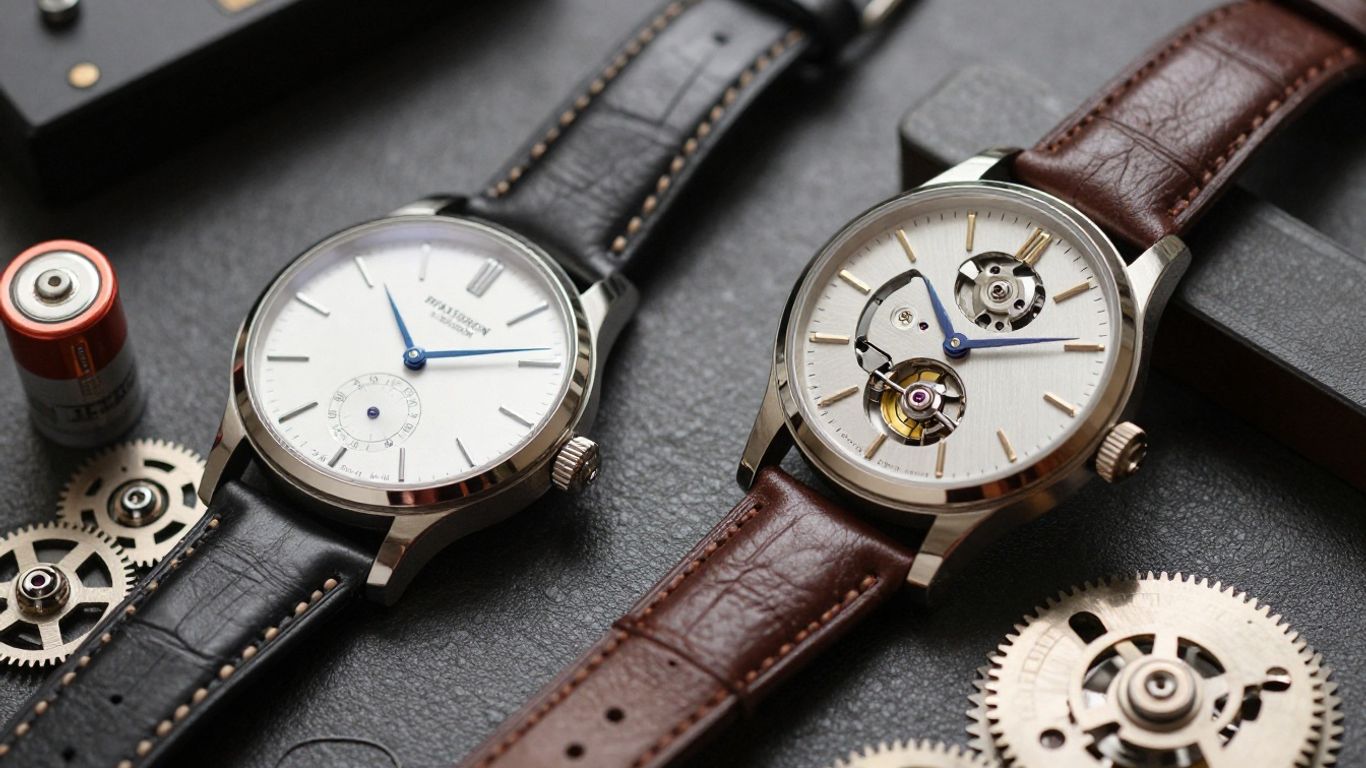
Automatic vs Quartz Watch Movements Explained becomes much simpler when you separate power, regulation, and ownership needs. Neither movement is universally better; the right choice depends on how you wear and value a watch.
- Automatic watches use wrist motion to wind a mainspring and offer mechanical character.
- Quartz watches use a battery and vibrating crystal for highly consistent timekeeping.
- Automatic movements usually need more regular servicing than quartz movements.
- Quartz is often the easier choice for accuracy, convenience, and active routines.
- Case design, price, maintenance, and personal enjoyment matter alongside performance.
- How watch movements power the timepiece
- How automatic movements work
- How quartz movements work
- Automatic vs quartz performance differences
- Maintenance, service, and long-term ownership
- Cost, craftsmanship, and design considerations
- Choosing the right movement for your lifestyle
- Conclusion
- Frequently Asked Questions
- Is an automatic watch better than a quartz watch?
- Which movement keeps time more accurately?
- Does an automatic watch need to be worn every day?
- How often does a quartz watch need a battery change?
- Are automatic watches more expensive to maintain?
- Can you wear an automatic or quartz watch in water?
- Which movement is best for a first watch?
How watch movements power the timepiece
A watch movement is the mechanism inside the case that creates and regulates the motion of the hands. It needs a source of energy, a timing reference, and a way to transfer controlled motion to the display. Once you understand those three jobs, the difference between automatic and quartz watches feels much less mysterious.
What a watch movement does
The movement stores or receives energy, measures its release, and turns that energy into the movement of the hour, minute, and seconds hands. An automatic watch does this mechanically, while a quartz watch uses electronic regulation alongside a small motor. This useful watch movement guide offers another overview of the same basic distinction.
The role of the mainspring, gears, and escapement
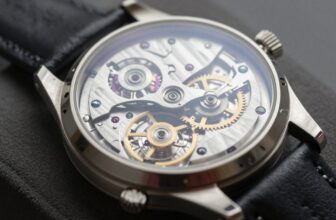
In an automatic movement, the mainspring stores energy as it is wound. A train of gears carries that energy toward the hands, while the escapement releases it in carefully measured steps so the balance wheel can establish a rhythm. The arrangement is compact, intricate, and pleasingly physical.
How batteries and quartz crystals regulate time
A quartz movement takes energy from a battery and sends an electrical current through a quartz crystal. The crystal vibrates at a stable frequency, and an electronic circuit counts those vibrations before directing a small motor to advance the hands. The result is a different kind of timekeeping: less mechanical, but very steady.
Why movement type affects the watch experience
Movement choice changes more than the number on a specification sheet. It affects accuracy, thickness, maintenance, the feel of the seconds hand, and how involved you are with the watch. Your daily habits matter most because a technically impressive movement can still be inconvenient if it does not suit the way you live.
How automatic movements work
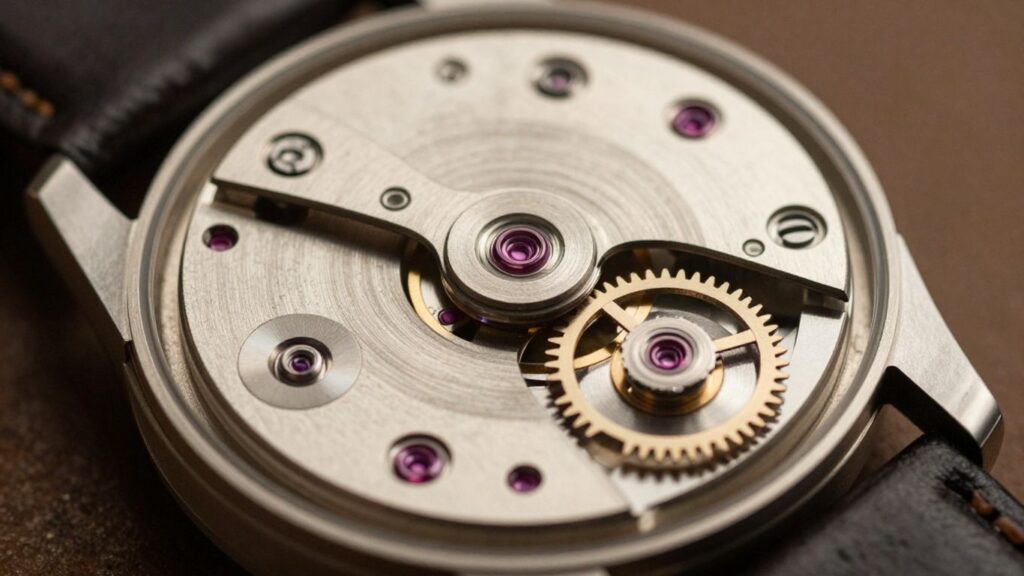
An automatic movement is a mechanical movement designed to wind itself as you wear it. Your wrist provides the motion, but the watch still relies on springs, gears, and an escapement rather than a battery. That combination gives you a living, mechanical object, along with a few practical limitations.
Energy from wrist movement
As your arm moves through ordinary daily activity, that motion is transferred into the winding system. The watch does not generate unlimited energy, and it may not wind effectively if it is worn loosely or kept unusually still. With regular wear, however, the stored energy can keep the movement running without daily hand-winding.
The rotor and self-winding mechanism
The rotor is a weighted component that swings as your wrist changes position. Its movement winds the mainspring through a series of gears, allowing the watch to replenish some of the energy it uses. The design is wonderfully efficient, though the rotor also adds parts and usually contributes some thickness to the case.
Power reserves and manual winding
Every automatic watch has a power reserve: the period it can continue running after the stored energy is full. If you remove it for longer than that period, the watch may stop and need to be reset. Many models can also be wound through the crown, which is helpful when you want to wear a stopped watch immediately.
Accuracy expectations for automatic watches
Automatic watches are usually accurate enough for everyday wear, but they commonly show more daily variation than quartz watches. Position, temperature, age, and the condition of the movement can all influence the rate. You should expect occasional adjustment rather than laboratory-level consistency.
How quartz movements work
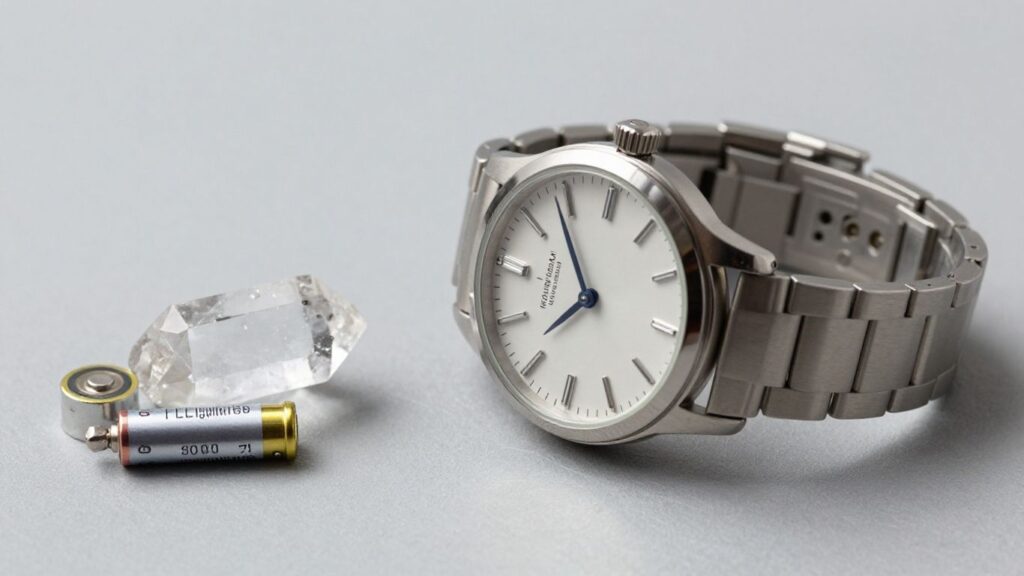
Quartz movements replace the mechanical timing train with a battery, crystal, electronic circuit, and small stepping motor. That architecture is comparatively simple to use: you set the watch, wear it, and usually forget about it until the battery needs attention. For many people, that quiet convenience is the main attraction.
Battery-powered timekeeping
The battery supplies the electrical energy that keeps the circuit and motor operating. Instead of storing energy in a wound spring, the watch draws a small amount of power continuously. This lets a quartz watch remain ready even when it has spent weeks in a drawer.
Quartz crystal vibration and electronic regulation
When energized, the quartz crystal vibrates at a very stable frequency. The circuit counts those vibrations and converts them into regular electrical pulses for the motor, which advances the hands in measured increments. The crystal provides the timing reference, while the motor translates that reference into visible motion.
Battery life and replacement intervals
Battery life varies with the movement, complications, battery type, and how much power the display requires. A simple three-hand quartz watch generally asks for less energy than one with additional functions. When replacement is due, have the case opened carefully and ask for the water-resistance seals to be checked as well.
Why quartz watches are typically more precise
Quartz crystals provide a highly stable reference, so quartz watches generally drift less over a month than automatic watches drift over a day. That does not make every quartz model identical, but it explains the broad pattern. If you care about setting the time as rarely as possible, quartz has a clear practical advantage.
Automatic vs quartz performance differences
The most useful comparison is not simply mechanical versus electronic. You should consider how much deviation you tolerate, what conditions the watch will face, and whether you enjoy seeing the mechanism at work. A watch that performs well on paper still needs to fit your routine and expectations.
Accuracy and daily time deviation
Quartz watches typically win on raw accuracy because their electronic timing reference is less affected by ordinary positional changes. Automatic watches can perform very well, but their rate is more likely to vary from day to day. If you need a watch for frequent appointments or precise work, that difference may be noticeable.
Durability under everyday conditions
Both movement types can serve reliably for years when protected from moisture, severe impacts, and poor handling. Quartz has fewer delicate mechanical interactions, while an automatic movement contains many moving parts that require lubrication and adjustment over time. Durability therefore depends on the specific watch, case construction, and how you use it—not only on the movement label.
Effects of temperature, magnetism, and shock
Heat, cold, magnetic fields, and shocks can affect either type of movement, though the mechanism of the effect differs. Mechanical components can change rate when their materials expand or contract, and magnetism can interfere with balance-spring behavior. Quartz electronics are not immune either, particularly when a watch is exposed to conditions outside its intended use.
Seconds-hand movement and other visual cues
A traditional quartz seconds hand usually advances in distinct one-second steps. An automatic seconds hand moves through smaller mechanical beats, creating a smoother-looking sweep, although it is not literally continuous. That visual difference is not a measure of accuracy, but it can strongly influence which watch feels more satisfying on your wrist.
Maintenance, service, and long-term ownership
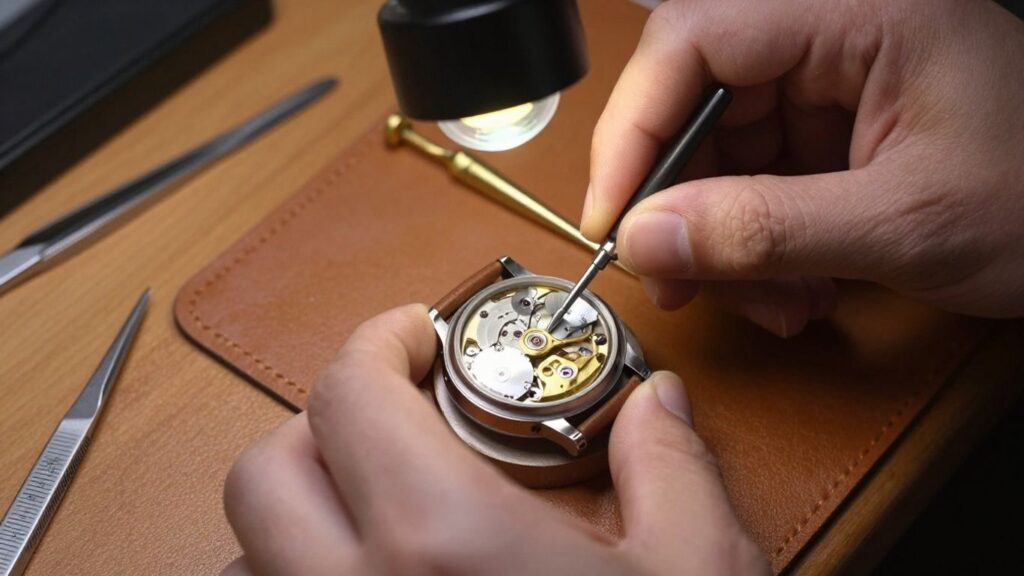
Ownership costs are easy to overlook when you are focused on the dial and case. Automatic watches ask for periodic mechanical care, while quartz watches usually need simpler intervention but still deserve attention to seals and the case. Thinking about service before you buy helps you compare the real cost of keeping a watch.
Servicing requirements for automatic watches
An automatic movement contains lubricated contact points that gradually age, even when the watch looks perfectly fine from the outside. Service timing depends on the caliber, use, storage, and manufacturer guidance, so a fixed interval should not be treated as universal. Signs such as erratic rate, reduced power reserve, or unusual sounds deserve professional inspection.
Battery changes and quartz maintenance
Quartz watches generally require less movement service, but the battery should not be left to leak inside the case. Replace it when needed and have the gasket and water resistance considered at the same visit. A quartz watch can be low-maintenance without being maintenance-free.
Water resistance and movement protection
Water resistance is a property of the complete watch system, including the crystal, crown, case back, and seals. It can weaken after opening or simply with age. Avoid assuming that a water-resistant rating makes every watch suitable for swimming, and keep the crown secured whenever the design requires it.
Repairability and expected service life
A well-made automatic movement can be serviced, repaired, and kept in use for a long time, although parts and labor can be costly. Quartz watches can also last for many years, but replacement may be more practical when an inexpensive module fails. The best long-term choice is often the one whose upkeep you are genuinely willing to fund.
Cost, craftsmanship, and design considerations
Price reflects more than the movement alone. Finishing, materials, case construction, complications, brand positioning, and after-sales service all influence what you pay. When comparing offers, PromoDeals can help you find watch buying advice alongside broader shopping research, but you should still compare the exact model and included warranty.
Why automatic watches often cost more
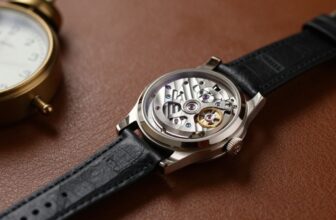
Automatic movements require many small components, careful assembly, adjustment, and sometimes decorative finishing. Those labor-intensive steps can raise the price, especially when the movement is visible through a display back. A higher price does not automatically mean better accuracy; it often reflects construction and craftsmanship.
The appeal of mechanical craftsmanship
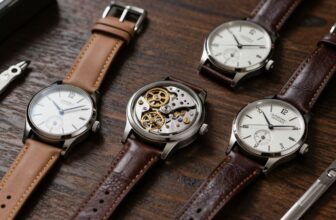
For many owners, the attraction is the mechanism itself: a spring gradually unwinding, a balance oscillating, and a rotor responding to movement. You can appreciate that process even when quartz would be more precise. The emotional value is personal, but it is a legitimate part of the purchase.
Quartz value across different price ranges
Quartz watches can offer strong everyday value at entry-level and premium prices alike. Lower-cost models often prioritize straightforward reliability, while more expensive examples may add refined cases, finishing, materials, or specialized functions. PromoDeals brings discounts and price drops together, so it can be useful when you are comparing the final purchase price rather than only the list price.
Case thickness, complications, and power needs
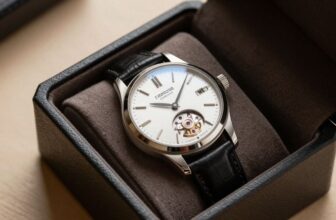
An automatic rotor can make a case thicker than a simple quartz design, though the difference varies widely. Chronographs, alarms, calendar displays, and other complications add space and power demands to either movement type. Before choosing a slim watch or a feature-rich one, check how the movement affects comfort and maintenance.
Choosing the right movement for your lifestyle
There is no universal winner in the automatic versus quartz decision. Start with the moments when you will wear the watch, how much accuracy you expect, and whether maintenance feels like a pleasure or a chore. A practical purchase also considers the total cost, where a deal-focused shopping destination can make current offers easier to compare.
Automatic watches for enthusiasts and collectors
An automatic watch may suit you if you enjoy mechanical design, traditional watchmaking, and the ritual of wearing a watch regularly. It can become part of a collection rather than merely a time display. You should be comfortable with some rate variation and periodic servicing before committing.
Quartz watches for convenience and reliability
Quartz is a sensible fit when you want dependable timekeeping with minimal interaction. It works well as a grab-and-go daily watch, a travel companion, or a backup that remains ready after sitting unused. Battery replacement is a small recurring task in exchange for that convenience.
Matching the movement to work and activity levels
Think about your environment as much as your taste. A desk-based routine may make an automatic watch easy to keep running, while irregular wear may favor quartz because it does not stop in a drawer. For physical work or outdoor use, prioritize the case, crystal, water resistance, and shock protection in addition to the movement.
A short checklist can keep the decision grounded:
- Decide how much time deviation you can comfortably accept.
- Consider whether you will wear the watch often enough to keep an automatic movement running.
- Price the battery changes or future mechanical servicing.
- Check the case dimensions, water resistance, and warranty.
That list separates genuine needs from attractive but unnecessary specifications. Once those basics are clear, aesthetics and the pleasure of ownership can guide the final choice.
When a hybrid or solar quartz watch makes sense
A solar quartz watch may suit you when you want quartz accuracy and less frequent battery intervention, provided the dial receives suitable light. Hybrid designs can combine electronic convenience with additional mechanical or connected functions. Treat them as alternatives to compare carefully, not as automatic upgrades over a straightforward quartz or automatic watch.
Conclusion
Choosing between automatic and quartz comes down to the experience you want: mechanical engagement and traditional craft, or precise, low-effort convenience. Compare accuracy, service needs, case design, and the way you actually wear a watch, then use the available price information to buy with confidence.
Frequently Asked Questions
Is an automatic watch better than a quartz watch?
Neither is always better. Automatic watches appeal to you when mechanical craftsmanship matters, while quartz watches are usually preferable when you value precision, convenience, and low maintenance.
Which movement keeps time more accurately?
Quartz movements generally keep time more accurately because a vibrating crystal provides a stable electronic timing reference. Automatic movements can be accurate, but they usually show more daily variation.
Does an automatic watch need to be worn every day?
No, but regular wear helps keep its mainspring wound. If it sits unused longer than its power reserve, it may stop and need to be wound and reset before you wear it again.
How often does a quartz watch need a battery change?
The interval depends on the movement, battery, and features. Many simple quartz watches run for several years, but you should replace a battery promptly when it is depleted.
Are automatic watches more expensive to maintain?
They often are because their mechanical movements contain more components and may require periodic cleaning, lubrication, and adjustment. Quartz maintenance is usually simpler, though battery and seal replacement still matter.
Can you wear an automatic or quartz watch in water?
Only within the limits of its stated water resistance and condition. Water resistance can weaken as seals age or after the case is opened, so follow the manufacturer’s guidance and avoid assuming every rating permits swimming.
Which movement is best for a first watch?
Choose quartz if you want an easy, accurate watch that is ready whenever you pick it up. Choose automatic if you are drawn to mechanical craftsmanship and enjoy wearing and caring for the watch regularly.