
Key Takeaways
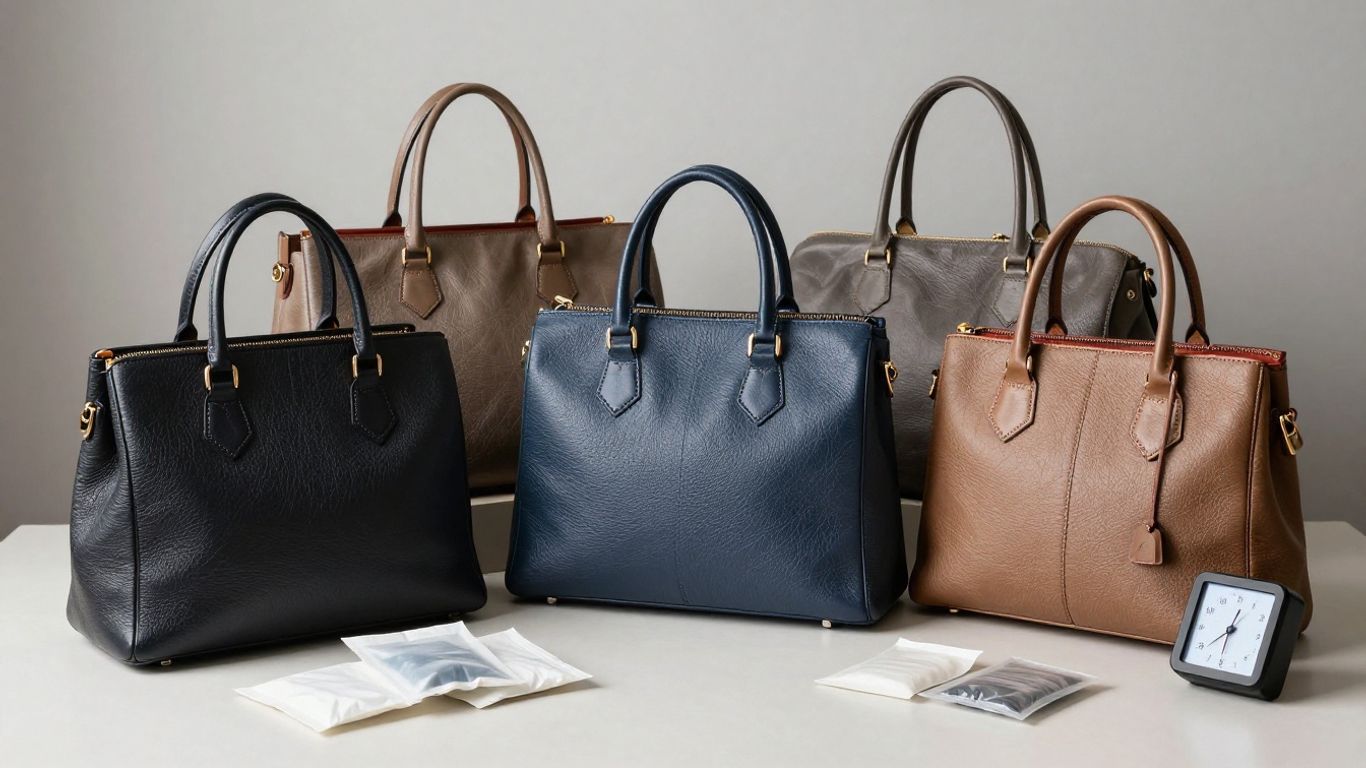
Humidity can quietly affect leather before visible damage appears. A few simple storage and inspection habits can help you protect your bags through damp weather and long periods of storage.
- Keep leather bags cool, dry, and gently ventilated.
- Use breathable fabric dust bags rather than sealed plastic.
- Watch for musty odors, discoloration, stickiness, and shape changes.
- Dry moisture slowly and avoid direct heat or sunlight.
- Contact a leather specialist when mold, staining, or finish damage is extensive.
- How humidity affects leather bags
- How to identify humidity damage early
- How to protect leather bags in humid weather
- How to control moisture during storage
- How to clean and condition a moisture-exposed bag
- How to store leather bags for long-term protection
- When to seek professional leather restoration
- Conclusion
- Frequently Asked Questions
- Can humidity permanently damage a leather bag?
- Should you store a leather bag in a plastic cover?
- Can you dry a damp leather bag with a hair dryer?
- How often should you inspect a bag in humid weather?
- Are silica gel packets safe for leather bags?
- Can you clean mold from leather at home?
- Should you condition leather after humidity exposure?
How humidity affects leather bags
Understanding How Humidity Affects Leather Bags and How to Protect Them starts with the material itself. Leather contains natural fibers that can take on moisture from the surrounding air. That does not mean every damp day will ruin your bag, but repeated exposure can change its texture, shape, finish, and smell. Your storage environment matters just as much as the care product you use.
Why leather absorbs moisture from the air
Leather is porous, so humid air can gradually introduce moisture into its structure even when the bag has not been splashed or rained on. As the fibers take on water, they may soften, swell, or become less stable. A bag kept against a damp wall or in a poorly ventilated closet is exposed for much longer than one aired in a dry room.
Signs of excess moisture and high humidity damage
Early signs are often easy to dismiss. You may notice a surface that feels unusually cool or tacky, a faint musty odor, darker patches, or leather that no longer holds its original shape. Hardware can also lose its clean appearance when moisture remains trapped around seams and fittings.
How humidity encourages mold and mildew growth
Mold and mildew thrive where moisture, limited airflow, and organic material meet. A closed wardrobe can therefore become a problem even if the bag looks dry when you put it away. Spores may first appear as small pale, greenish, or dark spots, then spread into lining, seams, and pockets.
If you see growth, do not shake the bag indoors or brush it aggressively. Move it away from other leather goods, ventilate the area, and consider professional advice before the contamination spreads.
Differences between smooth, suede, and patent leather
Smooth leather usually gives you the clearest visual warning because discoloration and surface tackiness are easy to spot. Suede and nubuck can show water marks, flattened nap, or uneven texture, and rubbing may make those marks worse. Patent leather has a sealed glossy finish, but moisture can still affect its surface, cause clouding, or make pieces stick together.
The safest routine is to identify the leather type before cleaning. A method suitable for smooth leather may permanently alter suede or leave a dull film on patent leather.
How to identify humidity damage early
Early inspection gives you more options and may prevent a manageable issue from becoming permanent. Check your bags whenever the weather stays damp or when you reopen a closed wardrobe. Use natural, indirect light and inspect the interior as carefully as the exterior.
Musty odors and surface discoloration
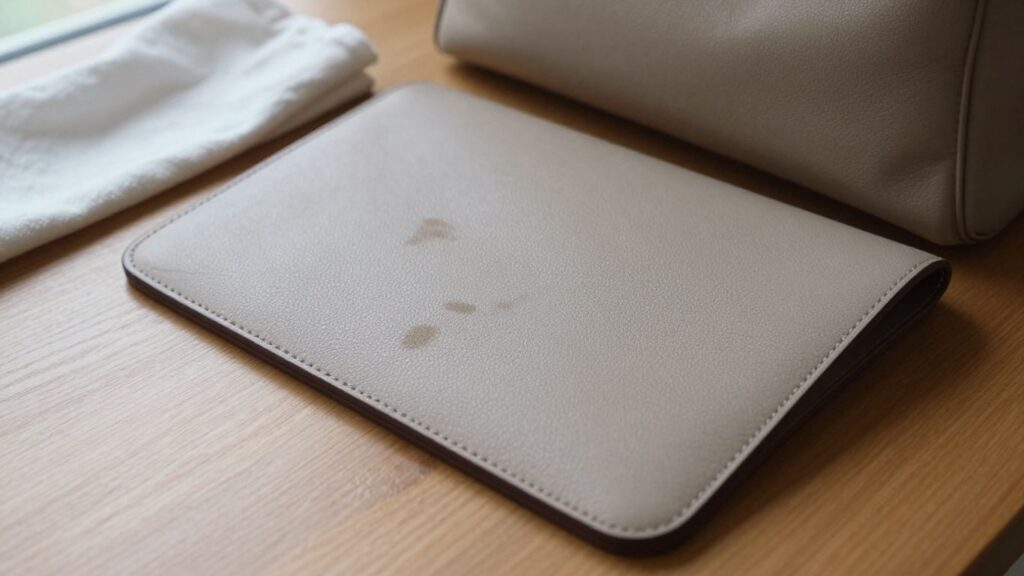
A musty smell often signals trapped moisture, especially when it returns after the bag has been aired. Look along handles, bottom corners, piping, and beneath flaps for cloudy marks or uneven darkening. Do not cover the smell with perfume; fragrance can add residue and make later assessment more difficult.
Sticky, swollen, or misshapen leather
Leather that feels sticky or unusually soft may have absorbed more moisture than it can comfortably release. Panels can swell, edges may ripple, and a structured bag may lean or collapse. Remove the contents and let the bag rest in a cool, ventilated room rather than forcing it back into shape immediately.
Cracking, peeling, and weakened finishes
Humidity damage is not always soft and damp. Repeated moisture followed by drying can stress finishes, leaving cracks, flakes, or peeling along high-contact areas. Coated surfaces may become cloudy, while dyed leather can show uneven color. These changes suggest that the finish or fibers have weakened, not simply that the bag needs polishing.
When minor damage requires professional care
A small isolated mark may respond to careful drying and an appropriate leather product, but spreading mold, deep staining, peeling finish, or distorted structure deserves specialist attention. When you are comparing repair options, a practical buying decision guide can help you think through needs, product fit, and long-term cost rather than choosing the cheapest service immediately.
How to protect leather bags in humid weather
Protection begins before your bag shows a problem. Choose where it lives, how it is covered, and how often air reaches it. These choices are inexpensive, but they work best when you make them part of your normal routine rather than waiting for a rainy season emergency.
Choosing a cool, dry, and ventilated storage area
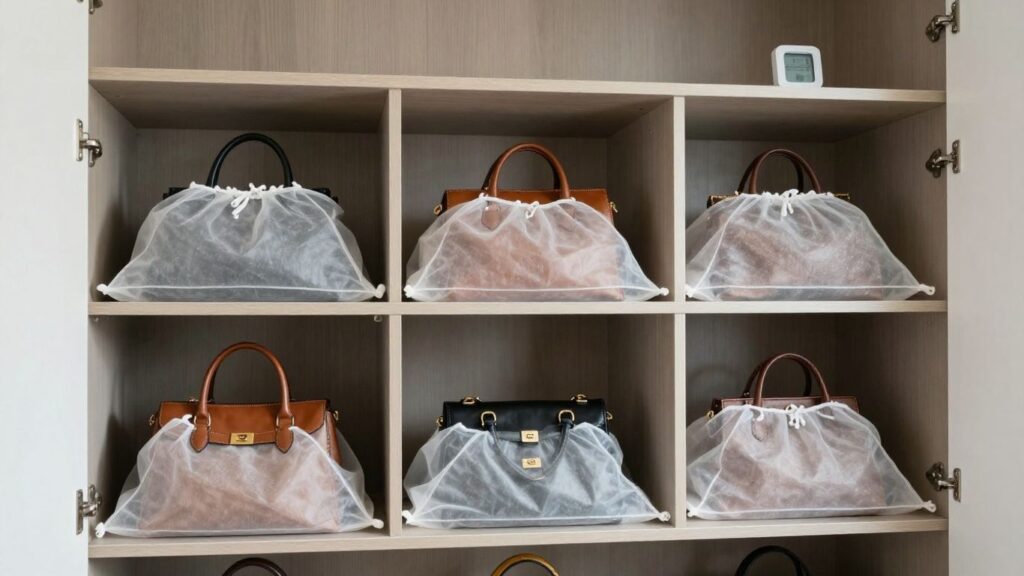
Place bags in a room with steady conditions and some air movement, away from floor-level dampness. A shelf is generally preferable to a basement corner or tightly packed cabinet. Leave space between bags so air can move around them, and avoid storing leather directly against exterior walls.
A cool room is useful, but “cool” does not mean cold or clammy. Sudden changes in temperature can create condensation, so consistency matters more than chasing the lowest possible temperature.
Using breathable dust bags instead of plastic covers
A cotton or other breathable dust bag protects against dust while allowing gradual air exchange. Plastic covers can trap moisture against the leather, creating the closed, damp pocket where odors and mold become more likely. Keep the dust bag loose enough that it does not compress the handles or press against wet surfaces.
Maintaining airflow without exposing bags to direct sunlight
Gentle indoor airflow helps moisture disperse, but direct sunlight can fade color, dry finishes, and heat the leather unevenly. Open a wardrobe periodically, use ordinary room ventilation, and keep bags out of a hot window. If a bag has been exposed to rain, blot it and let it dry naturally before covering it.
The goal is slow, even drying rather than a fast blast of heat. That approach protects both the leather and the finish layered over it.
Keeping bags away from bathrooms, kitchens, and damp walls
Bathrooms and kitchens produce frequent bursts of steam, while damp walls can expose a bag to moisture for hours. Move leather goods away from sinks, cooking areas, laundry rooms, and walls that feel cold or show condensation. This simple separation often prevents repeated exposure that is difficult to notice day by day.
How to control moisture during storage
A storage plan works better when you measure or observe the environment instead of relying only on how the room feels. Moisture-control products can help, but they should support ventilation, not replace it. Keep them positioned safely and inspect both the bag and the product regularly.
Selecting and positioning silica gel packets
Silica gel packets can help manage small amounts of moisture inside a storage area or bag, provided they remain dry, intact, and out of direct contact with delicate surfaces. Put them in an interior pocket or nearby container rather than scattering loose packets across the leather. Replace or recharge them according to the manufacturer’s instructions.
Do not use a packet as permission to seal a damp bag in plastic. The bag must be dry first, and air circulation still matters.
When to use a dehumidifier or moisture absorber
A dehumidifier may be useful in a persistently damp room, particularly when condensation or recurring musty odors point to a wider environmental problem. Moisture absorbers can help in small enclosed spaces, but they need monitoring and replacement. Keep liquid-collecting containers stable and well away from bags where a spill could create a new problem.
Safe humidity levels for leather accessories
Many people aim for a moderate indoor humidity range rather than an extremely dry room. A hygrometer can show whether your closet is consistently damp, and readings can guide whether ventilation or dehumidification is necessary. Avoid sudden, drastic changes because leather responds better to steady conditions than to repeated swings.
| Storage condition | Likely concern | Practical response |
|---|---|---|
| Damp and poorly ventilated | Musty odors and mold growth | Improve airflow and reduce room moisture |
| Moderate and stable | Lower day-to-day stress | Use a breathable cover and inspect periodically |
| Very dry and heated | Brittle leather or stressed finish | Reduce heat and condition only when appropriate |
| Variable with condensation | Repeated swelling and drying | Address the room source and move the bag |
These categories are useful as a starting point, not a substitute for the care instructions for your particular leather. If the room repeatedly condenses, solve that environmental issue before storing valuable bags there.
Why excessive heat can damage damp leather
Heat may dry the surface quickly while leaving deeper moisture unevenly distributed. It can also pull natural oils from leather, stiffen the material, and worsen cracking or finish damage. Keep damp bags away from radiators, hair dryers, heaters, and strong sunlight; gradual drying is safer.
How to clean and condition a moisture-exposed bag
Cleaning a moisture-exposed bag calls for restraint. Too much water, vigorous rubbing, or an unsuitable conditioner can spread marks and alter the finish. First determine whether the bag is merely damp or has active mold, staining, or structural damage.
Removing surface moisture safely
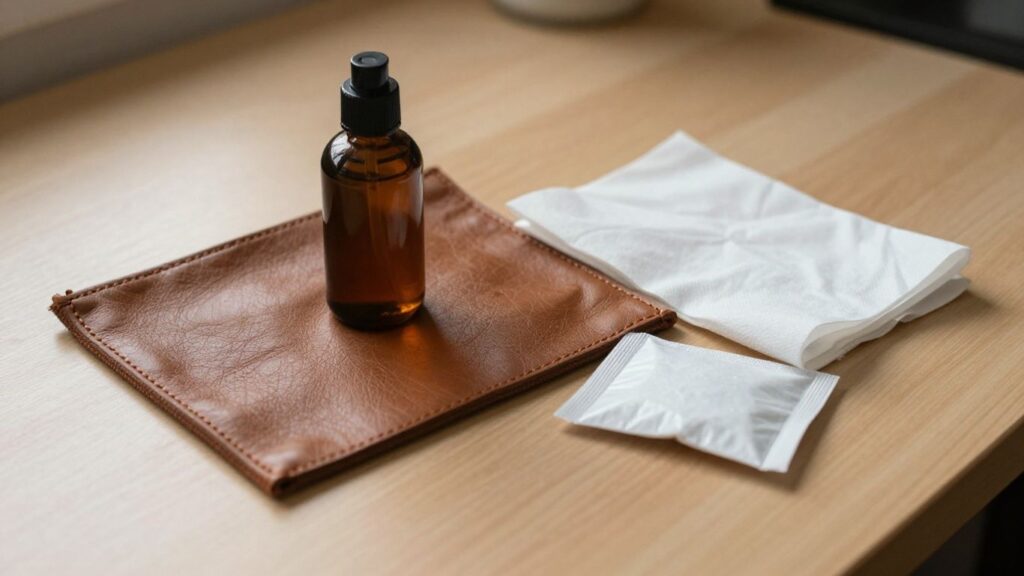
Blot visible moisture with a clean, absorbent cloth and use light pressure. Do not rub wet leather, wring a lining, or stuff the bag tightly while it is damp. Leave it open in a cool room with indirect airflow, checking periodically until it feels evenly dry.
Treating early mold or mildew carefully
If you suspect mold or mildew, isolate the bag from other belongings and avoid disturbing the growth indoors. Wear suitable protection when handling a visibly affected item, ventilate the space, and seek advice if the affected area is broad or the odor persists. Mold inside a lining or deep in seams is especially difficult to treat thoroughly at home.
Testing leather cleaners and conditioners first
Always test a cleaner or conditioner on a hidden area and allow that patch to dry before treating a visible panel. Follow the product directions and use the smallest reasonable amount. A small patch test can reveal darkening, stickiness, color transfer, or finish changes before they affect the whole bag.
After testing, apply only a thin, even layer if the product is appropriate for that leather. Conditioning a bag that is still damp can trap moisture, so wait until it is fully dry.
Avoiding household products that can worsen damage
Household disinfectants, strong detergents, alcohol, bleach, oils, and scented sprays may strip finishes or leave residues. Water alone can also create tidelines when applied unevenly. If you are unsure what the surface is made of, pause rather than experimenting with several products in succession.
How to store leather bags for long-term protection
Long-term storage should preserve the bag’s shape while allowing you to notice problems early. Before putting a piece away, clean out crumbs, receipts, cosmetics, and anything that could stain the lining. A few minutes of preparation reduces the chance of returning to a distorted or musty bag months later.
Emptying and reshaping the bag before storage
Remove every item and gently reshape the bag with plain, breathable material such as acid-free tissue or clean cotton. Do not overfill it, since excess pressure can stretch seams and distort panels. Store structured bags upright when their construction supports it, while softer bags may need a flat position that does not crease them.
Wrapping hardware and protecting interior compartments
Wrap chains, buckles, and other hardware separately with soft tissue to reduce scratches and prevent metal from pressing into leather. Leave zippers and pockets in a relaxed position, and make sure interiors are completely dry. Avoid colored paper or printed material that could transfer ink during prolonged contact.
Rotating stored bags for regular inspection
Inspect stored bags every few weeks during humid periods. Look for odor, spots, condensation, compressed handles, and changes in texture. A useful rotation routine includes:
- Opening the dust bag and airing the item briefly.
- Checking seams, pockets, handles, and the base.
- Confirming that silica gel or moisture absorbers remain dry and intact.
- Repositioning bags so one side is not pressed against a wall.
After the inspection, return each bag only if it is dry and clean. Regular checks are more reliable than leaving a moisture-control product untouched for an entire season.
Preparing bags for travel through humid climates
For travel, use a breathable cover, keep the bag away from wet clothing, and avoid leaving it in a hot vehicle. Carry a soft cloth for blotting unexpected moisture, but do not pack the bag tightly among items that restrict airflow. Once you arrive, inspect and air it before placing it in a closet.
When to seek professional leather restoration
Home care has limits, especially when moisture has affected both the surface and the structure. A professional can assess whether marks are superficial, whether a finish has failed, and whether mold has reached areas you cannot safely clean. Seeking advice early may preserve more of the original material.
Damage that should not be repaired at home
Get professional help for extensive mold, deep or spreading stains, peeling coatings, severe color loss, warped panels, detached handles, or leather that has become brittle and cracked. Do not try to scrape growth from delicate suede or repaint a damaged finish without knowing how the material will react.
How restoration specialists treat mold and staining
A specialist may first isolate and assess the item, then clean appropriate surfaces, address odor and staining, and stabilize or refinish damaged areas. The exact process depends on the leather, lining, dyes, adhesives, and extent of exposure. No responsible restorer should promise that every mark or odor can be removed completely before examining the bag.
Questions to ask before choosing a repair service
Ask what leather types the service handles, how it approaches mold and delicate finishes, whether it performs a test area, and how it protects hardware and linings. Request a written estimate and ask what outcomes are realistic. You can also use this leather humidity care guide as a useful set of questions when comparing general preservation advice with a proposed repair.
Preventing recurring humidity damage after restoration
Restoration will not solve a damp closet or a recurring leak. Correct the storage environment, keep the bag ventilated, and schedule inspections after restoration. Store it away from walls and steam, use a breathable cover, and respond quickly if odor or discoloration returns.
Conclusion
Leather responds best to steady, gentle care. By controlling the room, allowing airflow, drying moisture slowly, and inspecting your bags regularly, you can catch humidity damage before it becomes difficult to reverse. When the problem reaches the lining, finish, or structure, professional assessment is usually safer than another household experiment.
Frequently Asked Questions
Can humidity permanently damage a leather bag?
Yes. Prolonged moisture can contribute to mold, discoloration, deformation, cracking, and weakened finishes. Early action gives you a better chance of limiting the damage.
Should you store a leather bag in a plastic cover?
Usually not. Plastic can trap moisture against the leather, especially in a warm or humid room. A clean, breathable dust bag is generally a safer choice.
Can you dry a damp leather bag with a hair dryer?
It is better to avoid direct heat. A hair dryer can dry the surface unevenly, remove oils, stiffen the leather, and worsen cracking or finish damage.
How often should you inspect a bag in humid weather?
Inspect it every few weeks during persistently humid periods and whenever you notice condensation, musty odors, or unusual texture. Frequent checks make early problems easier to manage.
Are silica gel packets safe for leather bags?
They can help with small amounts of ambient moisture when used correctly and kept intact. Do not place them directly against delicate surfaces or use them to seal away a bag that is already damp.
Can you clean mold from leather at home?
A small, superficial issue may sometimes be manageable with suitable materials and careful isolation, but widespread growth, strong odor, suede damage, and lining contamination call for professional advice.
Should you condition leather after humidity exposure?
Only after the bag is completely dry and after testing a suitable conditioner on a hidden area. Applying too much product or conditioning damp leather can create further problems.