
Key Takeaways
Polycarbonate and polypropylene can both make capable hard-shell luggage, but they feel and perform differently in daily use. Your travel frequency, packing habits, budget, and tolerance for cosmetic wear should guide the choice.
- Polypropylene is usually lighter and more flexible.
- Polycarbonate often feels more rigid and refined.
- Construction quality matters as much as shell material.
- Wheels, handles, zippers, and locks affect daily usability.
- A good deal is only worthwhile when the suitcase fits your travel habits.
- What polycarbonate and polypropylene are
- How durability compares in real-world travel
- Weight, handling, and packing capacity
- Water resistance, security, and everyday protection
- Cost, appearance, and long-term value
- Choosing luggage for different travel needs
- How to choose between polycarbonate and polypropylene
- Conclusion
- Frequently Asked Questions
What polycarbonate and polypropylene are
Polycarbonate and polypropylene are thermoplastics commonly molded into hard luggage shells. Both can protect belongings from ordinary bumps, rain, and pressure, but they respond differently when pushed, dropped, or packed tightly. If you are comparing Polycarbonate vs Polypropylene Luggage: Materials Explained, start with the material’s behavior rather than assuming one is always superior. The rest of the suitcase matters just as much.
How polycarbonate is made and used in luggage
Polycarbonate is a strong plastic valued for its impact resistance and relatively rigid feel. Manufacturers heat the material and form it into shaped panels, then add reinforcement around corners, wheel mounts, and closure points. A polycarbonate case often feels structured when empty, which can make it easier to stack and organize, although it may also feel less forgiving when squeezed into a crowded space.
The surface can be glossy, matte, textured, or patterned. Finish affects how scratches appear, but it does not change the basic distinction between a well-built shell and a poorly supported one. You should still inspect the seams, corners, and handle attachment before buying.
How polypropylene is made and used in luggage
Polypropylene is another molded thermoplastic used for hard-shell cases. Its notable characteristic is flexibility: when pressure is applied, a polypropylene shell may give and recover instead of resisting every force as a rigid panel would. That quality can make it comfortable for repeated everyday handling and useful when you tend to pack a case close to its limit.
Polypropylene is also often associated with accessible pricing and low weight. The exact result depends on the shell design, thickness, frame, wheels, and interior fittings. A cheap case with thin panels can still feel flimsy, while a thoughtfully constructed case can feel stable and dependable.
Why material thickness and construction matter
Material labels tell you only part of the story. A thicker shell is not automatically better if it adds unnecessary weight, and a light shell is not automatically fragile if its corners and mounting points are well designed. Look for even panel feel, clean molding, reinforced edges, and hardware that does not wobble.
When comparing offers on luggage buying guides, consider the complete specification instead of sorting cases by material alone. Capacity, empty weight, dimensions, warranty terms, and the type of wheels can change the practical value of an otherwise similar suitcase.
How shells differ from interior components
The shell protects the outside, but your experience inside the suitcase depends on fabric lining, dividers, compression panels, pockets, and zippers. These components can add organization without adding much structural strength. A rigid shell with a weak zipper is still an inconvenient travel companion.
Check whether the interior is easy to clean and whether the divider can hold smaller items in place. If you regularly carry delicate clothing, shoes, or electronics, usable organization may matter more than a small difference in shell rigidity.
How durability compares in real-world travel
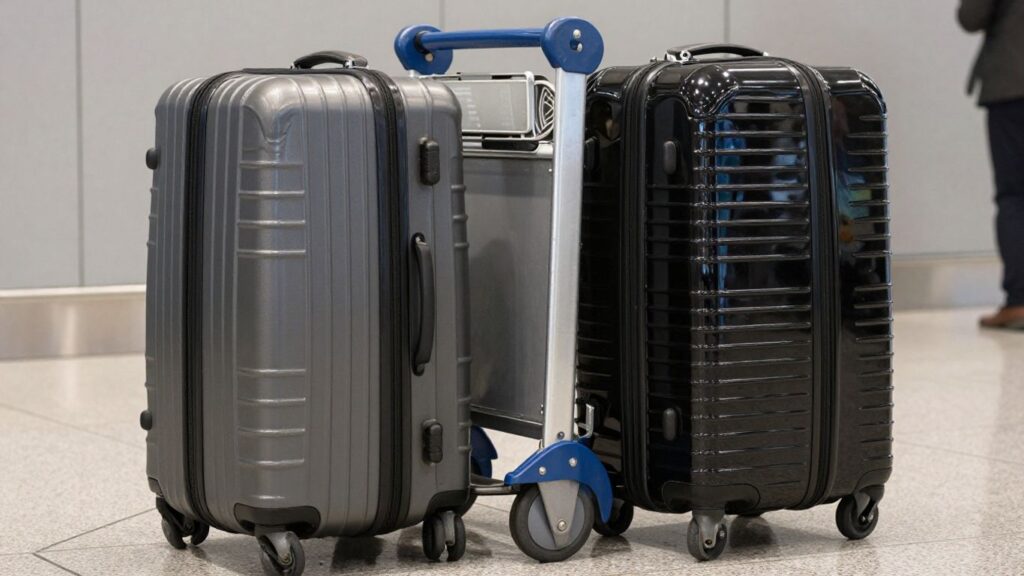
Airport travel tests luggage in several ways: impacts against hard surfaces, pressure from other bags, vibration over rough ground, and repeated loading into vehicles. Polycarbonate tends to feel more rigid, while polypropylene can flex under force. Neither material makes a suitcase indestructible, so durability also depends on corners, wheel housings, handles, and how heavily you pack it.
Resistance to impacts and cracking
Polycarbonate generally offers strong resistance to impacts, which is one reason it appears in many premium hard-shell designs. Polypropylene also handles everyday knocks well, particularly because its flexibility can reduce the chance of a sharp crack when the shell is compressed. A serious impact can damage either material, especially near a corner or a wheel mount.
The useful question is not simply which shell is strongest. Ask where the stress will land, whether the case has protected corners, and whether the hardware is replaceable or well supported.
Flexibility under pressure
A polypropylene suitcase may bend slightly when pressed, then return toward its original shape. That can help when a case is wedged under other luggage or filled to capacity. Polycarbonate usually holds its shape more firmly, which may appeal to you if you prefer a structured case that does not visibly flex while being packed.
Flex is not the same as weakness. It is a different way of managing force, and the better choice depends on whether you value give under pressure or a firm, stable shell.
Performance in cold and hot conditions
Plastic behavior can change with temperature. Very cold conditions may make some materials less forgiving, while prolonged heat or strong sunlight can affect finishes and color over time. In normal travel, the larger risks are usually rough handling, overpacking, and leaving luggage in extreme conditions for long periods.
You can reduce avoidable stress by keeping the case within its intended capacity, avoiding sharp objects against the shell, and not storing it for long periods in a hot vehicle. Check the maker’s care guidance when a trip involves unusual climates.
How damage typically appears over time
Wear often begins as scuffs, shallow scratches, cloudy marks, stretched zippers, loose handles, or wheels that no longer roll smoothly. Polycarbonate may preserve a crisp, rigid appearance but show scratches clearly on a glossy surface. Polypropylene can show rubbing and color changes, particularly on textured or darker finishes.
A few cosmetic marks do not necessarily signal a structural problem. Inspect any deep split, distorted wheel housing, loose telescoping handle, or zipper separation before your next trip.
Weight, handling, and packing capacity
Empty weight affects how much you can pack within an airline’s limit, but it should not be considered in isolation. A lighter suitcase can be easier to lift, while a heavier one may have stronger-feeling hardware or a more substantial frame. Dimensions, wheel placement, and the way the shell uses its internal space all influence how the case behaves.
Which material usually weighs less
Polypropylene is often the lighter of the two materials in comparable hard-shell designs. That can be useful for checked luggage, where the case itself takes up part of your weight allowance. Polycarbonate may still offer a reasonable balance of weight and rigidity, especially when the design avoids unnecessary framing and bulky fittings.
Compare the listed empty weight for the exact size rather than relying on the material name. A large polypropylene case with heavy hardware may weigh more than a minimalist polycarbonate carry-on.
How shell flexibility affects usable space
A flexible shell may tolerate a little overpacking, but that does not mean you should force the case shut. Repeated strain can affect zippers, seams, and closure alignment. A rigid polycarbonate shell can make the available shape feel more predictable, especially when you use packing cubes or folded clothing.
The interior layout often matters more than a few millimeters of shell movement. A flat divider, useful compression straps, and a wide opening can make a case feel roomier without increasing its external dimensions.
Maneuverability through airports and uneven surfaces
A suitcase is easier to live with when it tracks straight, turns without catching, and rolls smoothly over changes in flooring. Four-wheel spinner designs are convenient in terminals, while larger wheels may cope better with pavement and rough sidewalks. Shell material has some effect on total weight, but wheel quality usually has a more noticeable effect on handling.
You should test whether the handle has too much side-to-side movement and whether the case remains balanced when fully loaded. These details are easy to overlook in an online listing, so study measurements, reviews, and return terms before purchasing.
The effect of wheels, handles, and frame design
A well-designed handle should extend in controlled stages and sit securely when raised. Wheel housings should be protected rather than exposed at the widest points of the case. Frames can add rigidity and security, while zipper closures may save weight and provide a little more flexibility.
Here is a practical comparison of the factors you can check before buying:
| Feature | What to examine | Why it matters |
|---|---|---|
| Empty weight | Listed weight for the exact size | Preserves more packing allowance |
| Wheels | Size, rotation, and housing protection | Affects smooth movement and durability |
| Handle | Locking stages and side play | Determines control when rolling |
| Capacity | Liters, depth, and interior layout | Shows how much you can usefully pack |
The table makes one point clear: two cases made from the same plastic can feel completely different in motion. Treat the shell as one component in a travel system, not the entire product.
Water resistance, security, and everyday protection
Hard shells naturally create a barrier against splashes and light rain, but the closure is usually the vulnerable area. A suitcase with a zipper, seams, or a frame can still allow water in if it is exposed for long enough. Protection also includes keeping contents from shifting and making casual access more difficult.
How hard-shell materials handle rain and spills
Polycarbonate and polypropylene surfaces are generally easy to wipe clean and can repel brief splashes. The shell itself is not the same thing as a waterproof enclosure, however. Water can enter through zipper teeth, seams, handle openings, or gaps around the frame.
For wet travel, use internal pouches for electronics and documents, and keep items that must stay dry away from the outer walls. A rain cover may help with prolonged exposure, but it cannot fix an unsealed closure.
Zippers, locks, and closure systems
Zippers are light and familiar, while framed cases may use a gasketed edge and latches. Neither style is automatically better for every traveler. Examine zipper stitching, puller quality, closure alignment, and whether the lock is easy to operate without catching fabric.
A lock can discourage casual opening, but it does not make a suitcase theft-proof. Keep valuables and irreplaceable documents with you whenever possible, particularly during checked travel.
Protection for fragile belongings
A hard shell can reduce crushing from outside pressure, but it does not replace careful packing. Leave a little cushioning around glass, cameras, and other breakable items. Place dense objects near the center of the suitcase and use clothing or padded sleeves to prevent movement.
Polycarbonate’s rigidity may appeal when you want a firm outer barrier, while polypropylene’s flex can be useful when the case experiences pressure. In either case, poor internal packing can turn a durable suitcase into a source of damage.
Common security features to look for
Travel locks, lockable zipper pulls, tamper-evident design details, and sturdy closure hardware are common features to compare. Some locks are designed for inspection by airport authorities, but you should confirm the exact system before relying on it for a particular route.
Your checklist can stay simple:
- Confirm the lock type and reset method.
- Check that zipper pulls meet cleanly at the lock.
- Inspect the closure edge for gaps or distortion.
- Keep passports, cash, and essential medication in your personal bag.
These features improve everyday convenience, but sensible packing and keeping valuables close remain more important than the shell label.
Cost, appearance, and long-term value
Price differences between polycarbonate and polypropylene are not fixed. Brand positioning, size, hardware, warranty coverage, design, and sales timing can move the price substantially. A higher price may buy better construction, but it may also reflect finish or styling rather than a meaningful improvement in travel performance.
Typical price differences between the materials
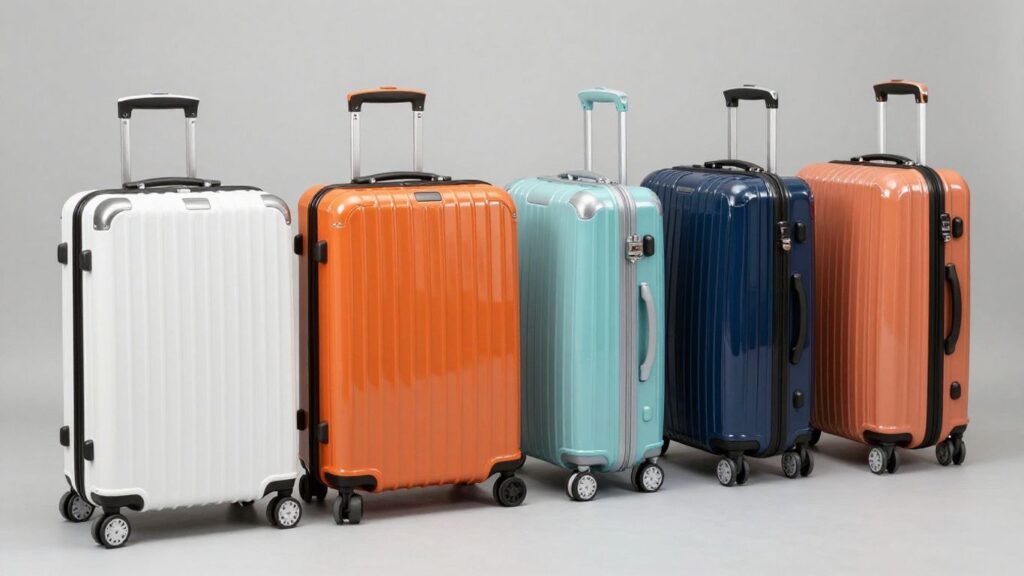
Polypropylene is often positioned as the more budget-friendly option, while polycarbonate appears frequently in mid-range and premium lines. That pattern is useful but not absolute. Promotions can narrow the gap, and a well-discounted polycarbonate case may cost less than a heavily featured polypropylene model.
Promo Deals brings discounts and price drops together, which can make it easier to compare the actual current price rather than an old list price. Still, check the specifications before treating a low price as a bargain.
Scratch visibility and cosmetic wear
Glossy surfaces can make scratches and fingerprints more visible, while matte or textured finishes tend to disguise light rubbing. Dark colors may show pale scuffs, and bright colors can fade or lose uniformity after prolonged exposure to sunlight. Cosmetic wear is normal for checked luggage, even when the shell remains sound.
If appearance matters to you, choose a texture that hides marks and avoid finishes that demand constant polishing. If function matters more, spend your attention on wheels, handles, and closure points.
Color, texture, and finish options
Polycarbonate often supports polished, smooth, and patterned finishes that create a more structured visual impression. Polypropylene can also be molded into many colors and shapes, including textured surfaces that feel less formal. The best finish is the one that suits how you travel and how much wear you are willing to see.
Before ordering online, look at customer photographs when available. Studio images can make a surface look more uniform than it appears under ordinary airport lighting.
When a higher upfront cost may be worthwhile
Paying more can make sense when you travel often, need dependable hardware, or plan to keep the case for many years. It is less compelling when you take only occasional short trips and the cheaper option already meets your size and handling needs.
Think in terms of cost per useful trip rather than the ticket price alone. A case that stays reliable through many journeys may be better value, but only if its added features solve a real problem for you.
Choosing luggage for different travel needs
There is no single best shell for every route. A frequent flyer may prioritize impact behavior and replaceable hardware, while a weekend traveler may care more about low weight and a manageable price. Your airline’s size and weight rules should come before color, finish, or marketing language.
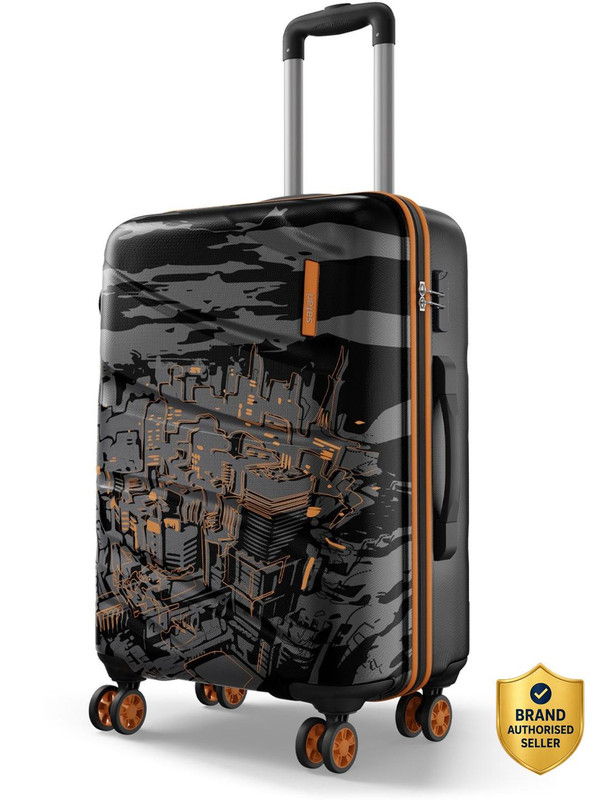
SAFARI ARKHAM Check-in Suitcase 8 Wheels - 26 inch
 Flipkart
Elevate your travel game with Arkham, a stylish and durable Polycarbonate hard luggage designed for modern explorers. Crafted from lightweight yet impact-resistant material, Arkham offers both style and strength. The smooth 360° spinner wheels ensure easy maneuverability, while the spacious...
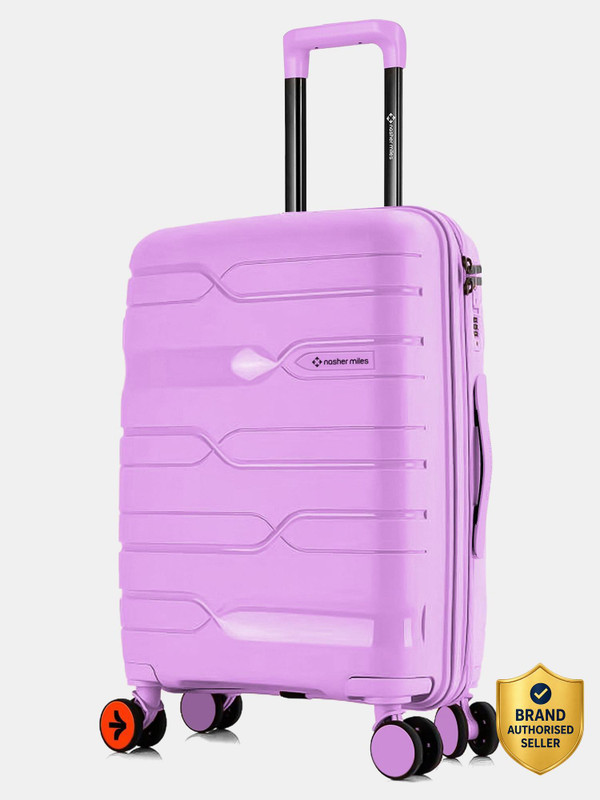
NASHER MILES Paris Polypropylene 24 inch Hard-Sided Spinner Trolley Bag for Travel & Business Check-in Suitcase 8 Wheels - 24...
Flipkart
Check-In Medium (M): This 24-inch lightweight, hard-sided check-in trolley bag is perfect for weekend trips or travelling abroad. It is ideal for travels lasting 5-7 days. The suitcase can hold up to 15 Kg.Sturdy Design: Luggage trolley is made from polypropylene, which is very resilient, durable...
Frequent flyers and checked-bag travelers
Frequent flyers expose luggage to more loading cycles, more walking, and more opportunities for hardware wear. You may prefer polycarbonate when a firm shell and impact resistance are central priorities, or polypropylene when lower weight and flexibility are more useful. In both cases, protected wheels and a stable handle deserve close attention.
Checked travelers should also consider identification, a practical interior, and a finish that can tolerate visible scuffs. A warranty can add value, but read what it covers and whether normal travel wear is excluded.
Short trips and carry-on use
For short trips, a carry-on that fits your airline’s current dimensions may matter more than the shell material. Low weight gives you more room for clothing and personal items, while a compact interior can stop you from overpacking.
Polypropylene can be attractive when you want a light, flexible case at a sensible price. Polycarbonate may suit you if you prefer a firm structure and a more polished appearance. Either can work well when the wheels and handle are comfortable.
Family travel and heavy packing
Family travel puts pressure on capacity, organization, and easy identification. A colored or textured case can be easier to recognize, while interior dividers can keep several people’s belongings from becoming one large pile. If you pack heavily, check the shell’s behavior when full and do not ignore zipper quality.
Multiple smaller cases may be easier to lift and distribute than one oversized case. Compare the total cost and weight of the set, including the hardware that each additional case requires.
Outdoor, business, and international travel
Outdoor travel may involve rough paths, wet weather, and more exposed wheels, so ground clearance and wheel protection matter. Business travel often rewards a neat interior, quiet rolling, and a finish that looks presentable after repeated use. International travel adds airline rules, transfers, and varied pavement to the equation.
If you are researching purchases across categories, a broader shopping decision guide can help you compare practical fit, total cost, and the temptation of an attractive discount. The same principle applies here: decide what you need before reacting to the sale price.
How to choose between polycarbonate and polypropylene
The most useful decision starts with your route, not a claim that one plastic wins universally. Consider how often you fly, whether the case will be checked, how much you usually pack, and whether scratches bother you. Then compare the whole suitcase at its current price.
Questions to ask about your travel habits
Start with a few honest questions. Do you lift the case into overhead bins, or mostly roll it beside you? Do you travel on smooth airport floors or uneven streets? Are you likely to pack close to the weight limit, and do you replace luggage only when something breaks?
Your answers reveal which trade-offs matter. A lighter shell may help one traveler, while a rigid feel, refined finish, or stronger hardware may matter more to another.
When polycarbonate is the better choice
Polycarbonate can be a strong fit when you value a firm shell, impact resistance, and a structured appearance. It may also suit frequent travelers who are willing to pay more for a carefully built case with dependable hardware. Look beyond the material and confirm that the actual model delivers on wheels, handles, closures, and interior design.
A promotional price can make this option more attractive, but do not let a discount replace a specification check. The best deal is the one that lowers the cost of a suitable case.
When polypropylene offers better value
Polypropylene may offer better value when low weight, flexibility, and affordability are high priorities. It is particularly practical for casual travel, families buying more than one case, or anyone who prefers to reserve more of the airline allowance for belongings.
A lighter case is not automatically the right case. Check its balance, wheel quality, shell feel, and warranty before deciding that the lower price represents genuine value.
Features that matter more than shell material
Shell material matters, but it competes with several details you will notice on every trip. A comfortable handle and smoothly rolling wheels can make a modest suitcase far more pleasant than a premium shell with poor hardware.
Before you buy, prioritize these practical checks:
- Exact external dimensions, including wheels and handles.
- Empty weight and realistic usable capacity.
- Wheel rotation, handle stability, and balance.
- Zipper or frame quality and lock placement.
- Warranty terms, return policy, and current total price.
Once those points are clear, the material choice becomes easier. Use luggage material comparisons to broaden your research, then choose the case that fits your route, packing style, and budget rather than the one with the loudest promise.
Conclusion
Polycarbonate gives you a more rigid, impact-focused feel, while polypropylene often gives you lower weight, flexibility, and accessible pricing. Neither is automatically the smarter purchase: the right choice depends on your travel pattern and the quality of the complete suitcase. Compare dimensions, weight, wheels, closures, interior layout, warranty, and the real sale price before you commit.
Frequently Asked Questions
Is polycarbonate luggage stronger than polypropylene?
Polycarbonate generally feels more rigid and offers strong impact resistance, while polypropylene can flex under pressure and handle everyday knocks well. Construction quality and hardware can matter as much as the shell material.
Is polypropylene luggage lighter?
Polypropylene is often lighter than comparable polycarbonate luggage, but the exact weight depends on the case size, frame, wheels, handle, and interior fittings. Always compare the listed weight for the specific model.
Does polypropylene crack easily?
Polypropylene’s flexibility can help it bend under pressure rather than crack immediately. However, severe impacts, sharp objects, extreme conditions, or weak construction can damage any hard-shell suitcase.
Is polycarbonate luggage worth the higher price?
It can be worthwhile if you travel frequently and value a rigid shell, impact resistance, or a more refined finish. The higher price is most useful when it also brings better wheels, handles, closures, or warranty support.
Which material is better for checked luggage?
Either material can work for checked luggage. Focus on protected corners, durable wheels, a stable handle, a secure closure, manageable empty weight, and a finish that can tolerate visible travel wear.
Are hard-shell suitcases waterproof?
Hard shells resist brief splashes and are easy to wipe clean, but most suitcases are not fully waterproof. Zippers, seams, frame gaps, and openings around handles can allow water inside during prolonged exposure.
What matters most when buying luggage?
Check the exact dimensions, empty weight, usable capacity, wheel and handle quality, closure system, warranty, return policy, and current price. The shell material should be considered alongside these features, not separately from them.