
What Are Hard-Shell Suitcases Made From? A Guide To Materials, Durability, And Choosing The Right One

Key Takeaways
Hard-shell suitcases use several materials, and each one makes a different trade-off between weight, strength, flexibility, and price.
- Polycarbonate is flexible and impact-resistant, making it a versatile all-rounder.
- ABS usually keeps costs and weight down, though it may be less resilient under severe handling.
- Polypropylene is notably light and can handle repeated use without adding much bulk.
- Aluminum offers a rigid, premium shell but usually weighs more than plastic alternatives.
- Your travel pattern, packing habits, and repair expectations matter as much as the shell material.
- The main materials used in hard-shell suitcases
- How each suitcase material performs in real-world use
- How hard-shell suitcase shells are manufactured
- Comparing hard-shell materials by travel needs
- What other parts of a hard-shell suitcase are made from
- How to choose a hard-shell suitcase material
- Conclusion
- Frequently Asked Questions
The main materials used in hard-shell suitcases
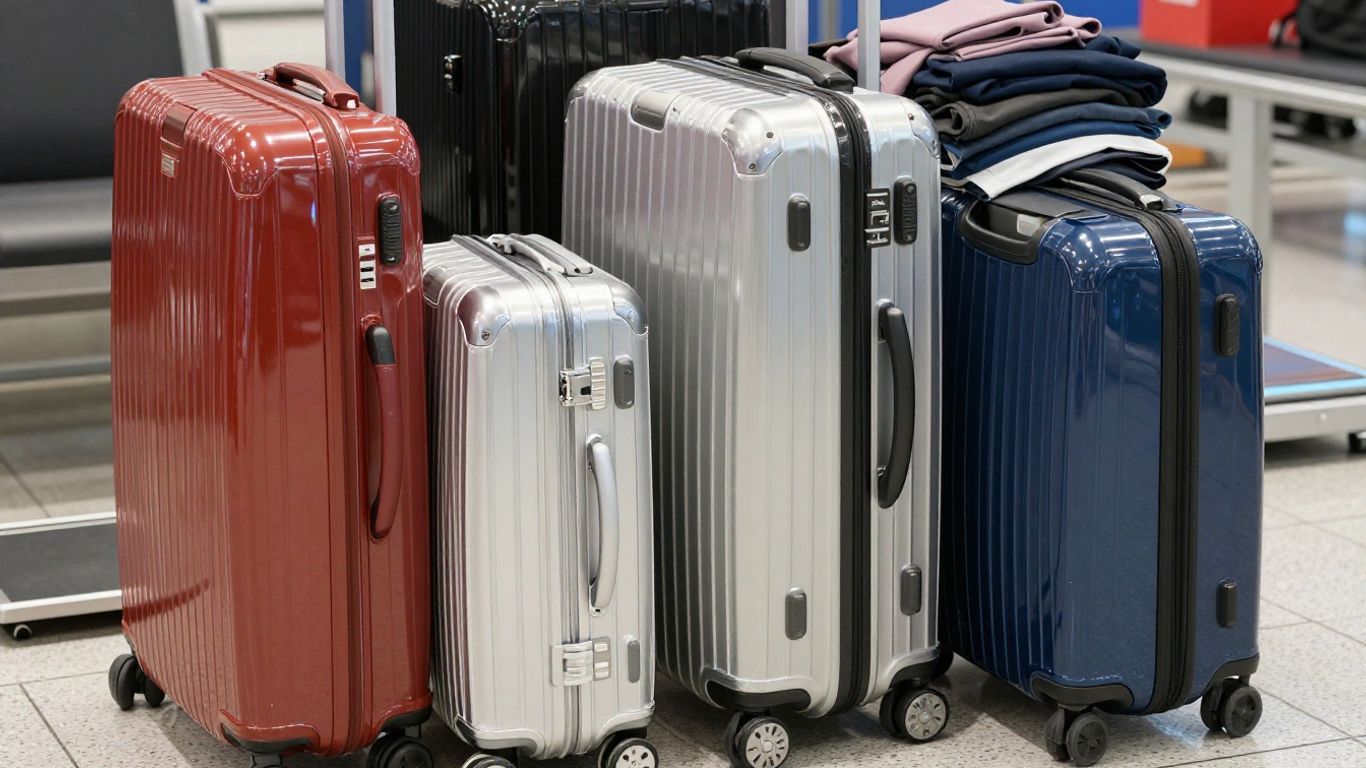
When you ask, “What Are Hard-Shell Suitcases Made From?”, the short answer is usually plastic, metal, or a combination of both. The most common shell materials are polycarbonate, ABS, polypropylene, and aluminum. Their differences show up in how a suitcase bends, absorbs pressure, carries weight, and ages over time. No single material is perfect for every trip.
Polycarbonate for impact resistance and flexibility
Polycarbonate is a popular choice when you want a shell that can absorb knocks without being completely rigid. It has some flexibility, so the case may give slightly under pressure rather than cracking immediately. That can be useful when your suitcase is squeezed into a crowded trunk or handled roughly at an airport. It is often a sensible middle ground between protection and manageable weight.
A textured polycarbonate shell can also make everyday scuffs less obvious. Still, flexibility does not make the case immune to dents or scratches, and the quality of the construction matters just as much as the material name.
ABS for affordability and lightweight design
ABS is a plastic commonly used in less expensive hard-shell luggage. Its main appeal is straightforward: you can get a rigid case without paying for a heavier premium construction. For occasional trips or light carry-on use, that lower price and easy-to-carry design may be enough.
The compromise is that ABS can be less forgiving than polycarbonate when exposed to repeated impacts or harsh baggage handling. If you mostly travel by car, or check a suitcase only occasionally, it may still offer practical value. Look closely at the corners, fasteners, and wheel assembly rather than judging the shell alone.
Polypropylene for low weight and durability
Polypropylene is valued for being light and somewhat flexible. That combination can make it appealing when you want a hard-side suitcase without giving up too much of your airline weight allowance. The shell can flex under pressure, and many polypropylene cases are designed for frequent everyday use.
Its lower rigidity may not suit you if you prefer a very firm, structured case. Even so, polypropylene is often a strong option for travelers who prioritize low weight and reasonable durability over a luxury finish.
Aluminum for strength and premium construction
Aluminum suitcases have a distinctly rigid shell and a premium feel. They can resist crushing well, especially when the case includes reinforced corners and a strong frame. The trade-off is weight: an aluminum case may consume more of your baggage allowance before you pack anything.
Aluminum also develops dents and surface marks in use, which many owners see as part of its character rather than a defect. It is best suited to you if shell stiffness, security hardware, and long-term visual appeal matter more than carrying the lightest possible bag.
How each suitcase material performs in real-world use
Material labels give you a useful starting point, but travel conditions reveal the practical differences. A suitcase that looks excellent in a showroom may face conveyor belts, uneven sidewalks, overstuffed compartments, and changing temperatures. You should consider how the shell responds to those situations, not just how impressive its specification sounds. The rest of the suitcase also plays a major role in the final result.
Resistance to dents, cracks, and scratches
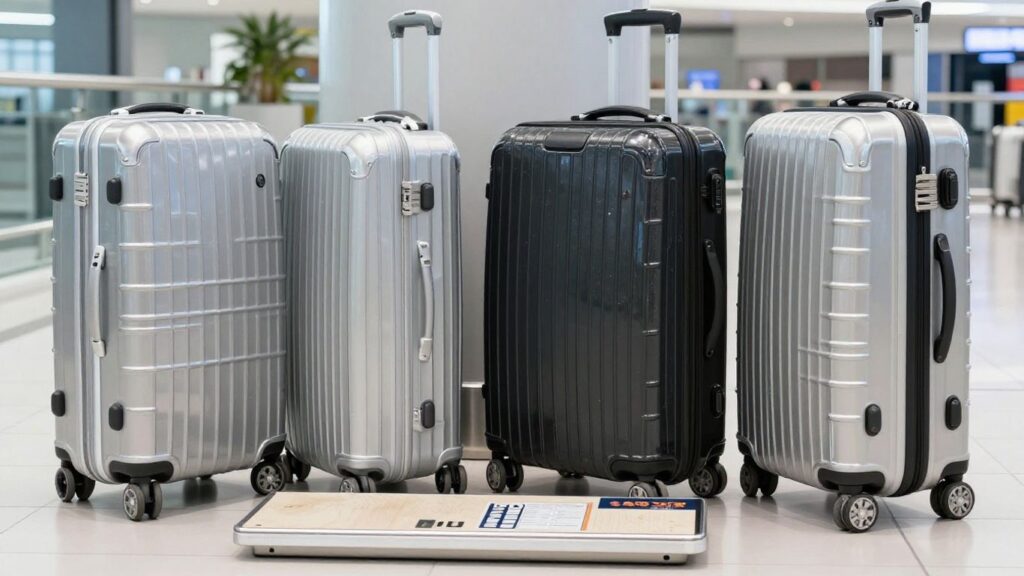
Rigid shells protect packed items from crushing, but they can still show damage. Polycarbonate and polypropylene can flex, while aluminum may dent and ABS may crack more readily under severe impact. Scratches are possible with every material, particularly around corners and along conveyor-belt contact points.
A textured or matte finish can make light marks less visible than a glossy surface. You should also check whether the corners have protective caps or molded reinforcement, because those areas often receive the first hard hit.
Weight limits for checked and carry-on luggage
Airline limits apply to the entire suitcase, not just its contents. A heavy shell leaves you less room for clothing and other belongings, so aluminum may be less convenient for checked travel when you regularly pack close to the limit. Polypropylene and some ABS designs can leave more capacity available.
Before buying, compare the empty weight with the dimensions and the way you travel. A large case that is technically spacious may be less useful if its own construction takes up too much of your allowance.
Flexibility when fitting belongings inside
Hard-shell luggage is not designed to compress like fabric luggage, but some shells have enough give to make packing easier. Polycarbonate and polypropylene can accommodate minor pressure from a full load. Aluminum generally stays rigid, which can help protect delicate items but gives you less forgiveness when the case is overfilled.
The internal layout matters here too. A divided case with compression panels can help you organize clothing without forcing the shell beyond its intended shape. You may find that a modestly flexible case is easier to close than a very rigid one when your packing is uneven.
Performance in cold, heat, and rough handling
Temperature changes can affect plastics and the way they respond to impact, while metal shells remain more rigid across ordinary travel conditions. No material should be treated as indestructible, especially when a case is dropped, dragged, or overloaded. Rough handling can also damage wheels, handles, zippers, and corners before the main shell fails.
For frequent flights, inspect the complete case rather than choosing by shell material alone. A well-supported shell with dependable hardware may serve you better than a theoretically stronger material paired with weak fittings.
How hard-shell suitcase shells are manufactured
Manufacturing affects how a shell performs just as much as the raw material. Plastic cases are commonly formed into a single shape, while premium designs may add layers, ribs, frames, or reinforced corners. The final surface may be smooth, textured, glossy, or matte. These choices influence appearance, stiffness, cost, and the way damage becomes visible.
Injection molding for plastic luggage
Injection molding forms plastic by pushing heated material into a shaped mold, where it cools into the shell profile. This process allows manufacturers to create consistent curves, corner structures, wheel housings, and other details. It is particularly useful for producing many similar cases efficiently.
The mold design also affects the shell’s lines and reinforcement. A case can be made from a capable plastic but still feel weak if the walls, seams, or attachment points are poorly designed. That is why construction quality deserves attention alongside the material label.
Aluminum shaping and reinforced corners
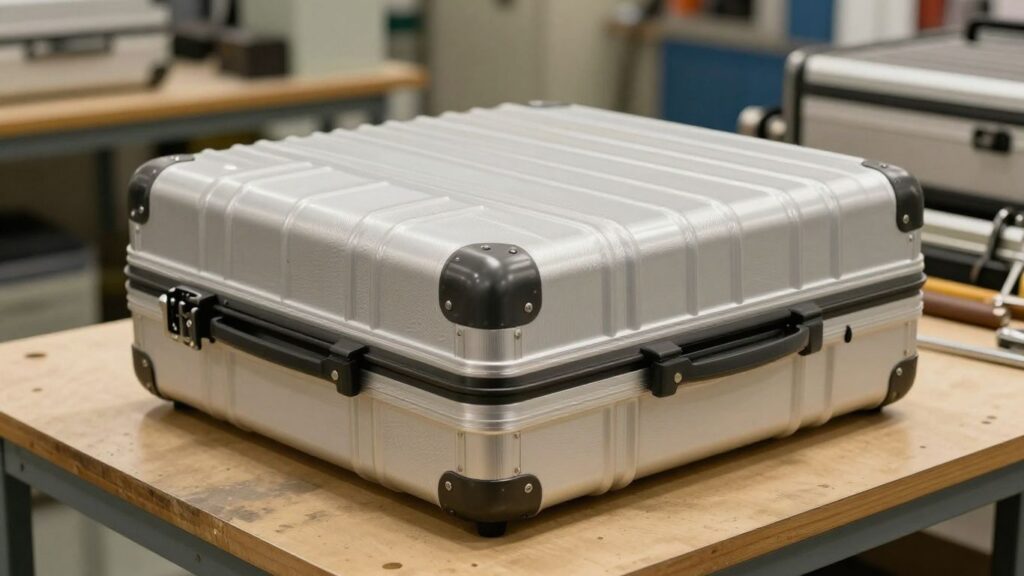
Aluminum shells can be formed through processes such as pressing, bending, and shaping panels around a frame. The corners may receive additional protection because they are vulnerable when the suitcase lands on an edge. Frames and latches can add rigidity, but they also contribute to total weight.
The result is a case with a firm structure and a distinctive finish. You should expect normal surface marks over time, especially if you choose a polished exterior rather than a brushed or textured one.
Multi-layer shells and structural support
Some plastic shells use more than one layer or combine the outer shell with internal support. Layers can help balance flexibility and stiffness, while ribs and molded channels distribute pressure across a wider area. These details are difficult to judge from a product photo, so close-up images and reliable specifications are useful.
When comparing models, pay attention to the shell’s overall construction rather than assuming a thicker-looking case is always stronger. Extra material may increase weight without improving the parts that receive the most stress.
How texture and finishes hide surface damage
Surface texture changes how light reflects from the case. Matte finishes and fine patterns can disguise small scratches, while glossy finishes may make every mark easier to see. A textured exterior can therefore stay presentable for longer, even when two cases experience similar use.
Finish is mostly an appearance choice, not a substitute for a sound shell. You still need to examine corner guards, seam quality, and the way handles and wheels connect to the body.
A finish that hides scuffs can be especially practical for checked luggage. It will not prevent damage, but it can make ordinary travel wear less distracting between trips.
Comparing hard-shell materials by travel needs
The best material depends on what you ask the suitcase to do. A frequent flyer may value impact tolerance and easy handling, while an occasional traveler may care more about price. Carry-on travelers often focus on empty weight, whereas checked-bag users may prioritize structure and corner protection. Use the comparison below as a starting point, then inspect the complete design.
Best materials for frequent flyers
If you fly often, polycarbonate and polypropylene are usually practical places to start. Polycarbonate offers a useful balance of flexibility and impact resistance, while polypropylene can help keep the case light. Aluminum can also suit frequent travel if you prefer rigid construction and accept the additional weight and visible wear.
For a more systematic purchase, this luggage material comparison can help you frame the differences before checking individual models. You should also consider wheel durability and handle play, since those parts experience repeated use.
Best options for budget-conscious travelers
ABS is often attractive when your priority is keeping the initial purchase price low. Polypropylene may also offer good value when low weight and regular use matter more than a premium finish. The least expensive case is not automatically the best bargain, though, if replacement wheels or a damaged handle are difficult to source.
Promo Deals brings discounts and price drops together, so you can compare the final price of a suitable case rather than judging value from the material alone. That can be useful when a better-built model falls within your budget during a promotion.
Best choices for checked luggage
Checked luggage faces more uncontrolled handling than a bag you keep beside you in an aircraft cabin. Polycarbonate can provide a balanced choice, while aluminum offers a rigid structure if its weight is acceptable. Polypropylene is worth considering when you want to preserve packing capacity and keep the case relatively light.
Whichever material you choose, look for reinforced corners, protected wheel mounts, and a closure system that does not rely on a fragile single point. A strong shell cannot compensate for weak attachments.
Best materials for lightweight carry-ons
Polypropylene is often a natural fit when every ounce matters. Some ABS cases can also be light and affordable, while polycarbonate remains appealing if you want more flexibility and impact tolerance. Check the empty weight carefully because two cases made from the same broad material can differ considerably.
You can also use a practical product comparison guide to define your must-have features before you browse deals. For a carry-on, dimensions, empty weight, wheel clearance, and handle height may matter more than a premium shell finish.
| Material | Typical advantage | Main compromise | Often suits |
|---|---|---|---|
| Polycarbonate | Flexibility and impact resistance | Can show scratches and dents | Frequent flyers |
| ABS | Lower price and light design | Less forgiving under severe impacts | Occasional travelers |
| Polypropylene | Low weight and useful flexibility | Less rigid feel | Lightweight carry-on users |
| Aluminum | Rigid, premium construction | Higher weight and visible dents | Travelers wanting structure |
The table is a guide, not a guarantee of performance. Shell thickness, molding quality, wheel design, and corner protection can change the experience substantially within each material category.
What other parts of a hard-shell suitcase are made from
The shell gets most of the attention, but a suitcase is a small system of different materials. Wheels, handles, closures, dividers, and frames all affect how reliably you can use it. A good shell paired with poor hardware may become frustrating after only a few trips. When you shop, inspect the parts you touch and move most often.
Wheels, casings, and wheel bearings
Suitcase wheels commonly combine a hard outer wheel material with plastic or metal casings and internal bearings. The exact design affects noise, rolling smoothness, and how well the wheels cope with rough pavement. Spinner wheels make direction changes easy, but they can be exposed to side impacts.
Look for wheels that sit securely in their housings and do not wobble excessively. Wheel replacement may be possible on some cases, but you should confirm that before buying if long-term repair matters to you.
Telescoping handles and internal frames
Telescoping handles often use aluminum or another lightweight metal, with plastic grips and release components. Internal frames can add structure to the shell and help transfer pulling forces through the suitcase. Loose rails, a flexing grip, or a handle that catches during extension are warning signs.
Try the handle at different heights if you can. Your comfort depends on the relationship between the handle length, wheel placement, and suitcase height, not simply on the shell material.
Zippers, latches, and expansion systems
Zippers are usually made from woven fabric tape, metal or molded plastic teeth, and a metal or plastic slider. Latch closures use rigid hardware and may suit travelers who prefer a firm frame-style opening. Expansion systems commonly add a gusset and zipper around the case, increasing capacity but also adding another component that can fail.
Do not treat a lock as a guarantee against damage or loss. Its main role is to secure the closure, while the shell and frame protect the contents from everyday knocks.
Linings, dividers, and compression panels
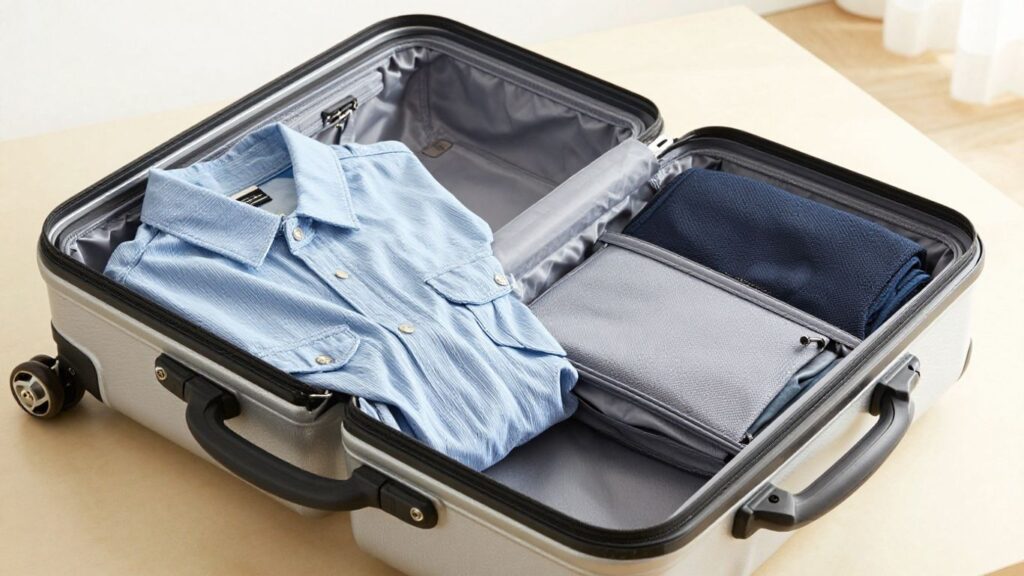
The interior is often lined with polyester or another synthetic textile. Dividers, pockets, and compression panels may use fabric, mesh, foam, or flexible plastic. These pieces keep belongings organized and help separate the two halves of a hard-shell case.
A washable lining and removable divider can make routine upkeep easier. Compression panels are especially useful when you want to keep clothing in place without forcing the outer shell to bulge.
How to choose a hard-shell suitcase material
Choosing a shell material is easier when you start with your actual travel habits. Think about how often you fly, whether you check bags, how close you pack to airline limits, and how willing you are to accept cosmetic wear. Then compare the whole suitcase, including hardware and repair support. Your travel pattern matters most when several materials appear equally suitable.
Balancing price, weight, and durability
You will rarely get the lowest price, lowest weight, and highest impact resistance in one case. ABS may make sense for an occasional traveler on a strict budget, while polypropylene can give you a lighter hard-shell design. Polycarbonate may be worth paying more for if you travel often and want a flexible shell with a broader balance of qualities.
Promo Deals can make this trade-off easier to assess by gathering discounts and promotional offers in one destination. Compare the discounted price with the case’s empty weight, warranty terms, and likely replacement costs rather than focusing only on the percentage saved.
Checking shell thickness and corner protection
A thicker shell is not automatically better, but extremely thin areas can feel less reassuring around corners and wheel mounts. Check for consistent molding, clean seams, and reinforcement where the case is likely to strike the ground. On aluminum luggage, inspect the frame and corner pieces for a secure fit.
If you are shopping online, zoom in on product photographs and read specifications carefully. Reviews can help identify recurring problems, but separate one person’s accident from a consistent design weakness.
Considering repairability and replacement parts
A suitcase lasts longer when common failures can be repaired. Ask whether the wheels, handle, zipper pulls, latches, and other fittings can be replaced. Even a durable shell may become unusable if a small broken component cannot be sourced.
Keep the product name, model information, and purchase records after you buy. Those details can make it easier to identify compatible parts or request support later.
Evaluating recycled content and end-of-life disposal
Recycled content can reduce the need for new raw material, but you should check what the manufacturer actually discloses. A case may contain recycled material in some components while using new material elsewhere. Disposal can also be difficult because shells, fabrics, metals, wheels, and adhesives are often joined together.
Choose a case you expect to use for years, maintain it when possible, and investigate local recycling options before throwing it away. A longer service life can matter as much as the material’s sustainability label.
Conclusion
Hard-shell suitcases are commonly made from polycarbonate, ABS, polypropylene, or aluminum, but the right choice depends on the complete design and your travel routine. Compare empty weight, flexibility, shell protection, hardware quality, repairability, and price before you buy. When you judge those details together, you can choose a suitcase that protects your belongings without paying for qualities you do not need.
Frequently Asked Questions
What are hard-shell suitcases made from?
Most hard-shell suitcases use polycarbonate, ABS, polypropylene, aluminum, or a blend of materials. The shell is only one part of the case; wheels, handles, closures, and interior panels use different materials.
Is polycarbonate better than ABS for luggage?
Polycarbonate is generally more flexible and impact-resistant, while ABS is often lighter on price and suitable for occasional use. Your choice should depend on travel frequency, handling conditions, and budget.
Is polypropylene a durable suitcase material?
Polypropylene can be light, flexible, and suitable for repeated travel. Its lower rigidity may not appeal to you if you prefer a very firm shell, but it can be a practical choice when reducing weight is a priority.
Are aluminum suitcases too heavy?
Aluminum suitcases usually weigh more than many plastic alternatives, which can reduce the amount you can pack within an airline limit. They may still suit you if rigid construction and premium hardware are more important than minimum weight.
Which hard-shell material is best for checked luggage?
Polycarbonate, polypropylene, and aluminum can all work for checked luggage when the case has good corners, wheel mounts, and closures. The best option depends on whether you prioritize impact tolerance, low weight, or rigid construction.
Can hard-shell suitcases crack?
Yes. Severe impacts, cold conditions, overpacking, and weak construction can contribute to cracking, particularly in less flexible plastics. A quality shell and reinforced corners can reduce risk but cannot eliminate it.
How can you make a hard-shell suitcase last longer?
Avoid overpacking, keep the wheels and handle clear of debris, and store the suitcase somewhere dry. Clean surface marks promptly, check fittings before trips, and replace worn hardware when compatible parts are available.