
Key Takeaways
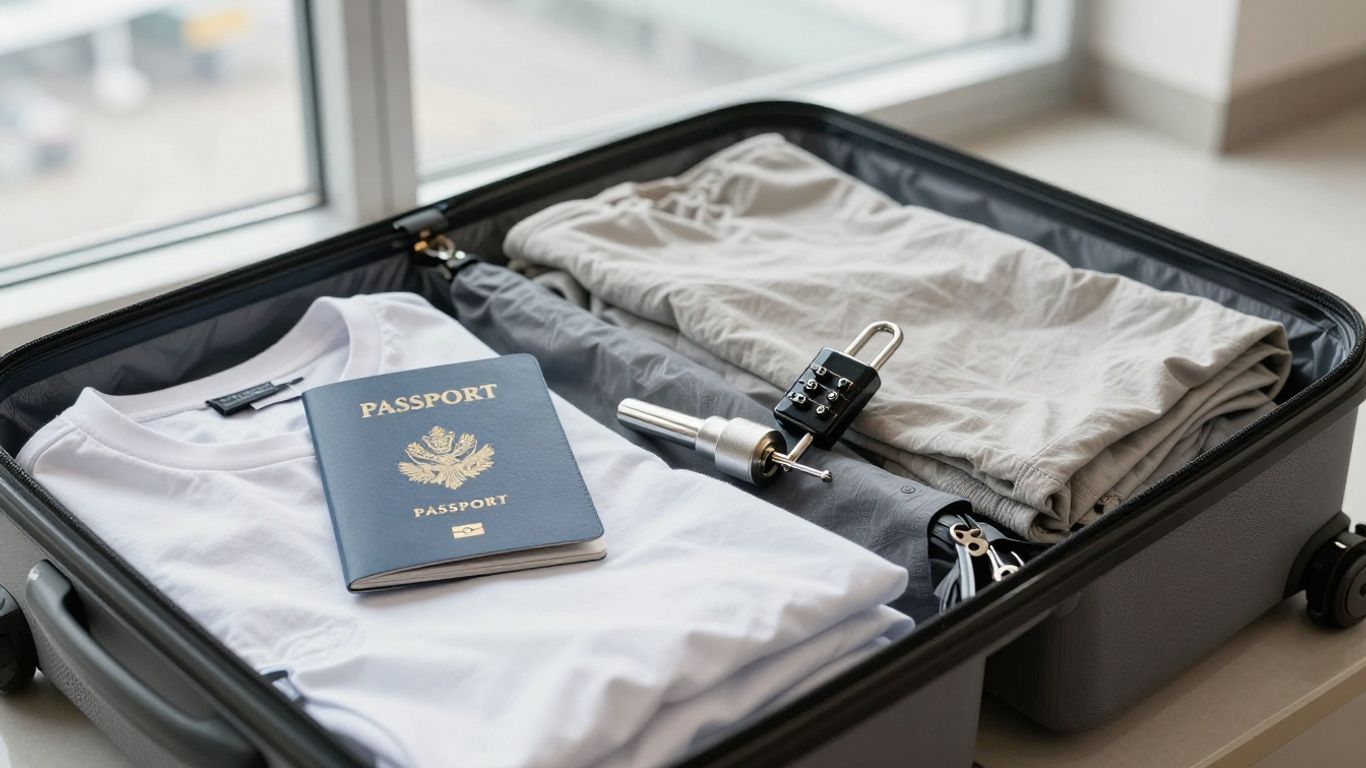
A TSA lock gives you a personal combination while allowing authorized airport security personnel to inspect your checked bag without destroying the lock.
- TSA locks are designed for checked luggage and airport screening.
- You open the lock with your combination; authorized officers use a separate access tool.
- The lock’s logo helps you identify whether it is recognized for TSA inspection.
- A TSA lock discourages casual tampering but cannot make luggage completely theft-proof.
- Correct setup, compatible hardware, and sensible packing matter as much as the lock itself.
What a TSA lock is and why travelers use one
A TSA lock is a luggage lock designed to be opened by you with a personal code and by authorized airport security personnel with a separate access method. That arrangement helps security staff inspect a bag without cutting through an ordinary lock. If you have been wondering, “What Is a TSA Lock and How Does It Work?”, the short answer is that it combines traveler-controlled access with an approved inspection route.
The purpose of a TSA-approved lock
The main purpose is to secure your suitcase during ordinary handling while leaving a recognized way for airport security to inspect it. Without that route, an officer may need to force open a non-approved lock if a bag requires examination. A TSA-approved design therefore reduces the chance that your lock or suitcase will be damaged during screening.
It is still a basic physical deterrent, not a guarantee that nobody can access your belongings. You should think of it as a practical fit for air travel rather than a high-security vault.
How TSA access differs from forced entry
With a compatible lock, authorized personnel can use their inspection tool to open the mechanism, examine the contents, and secure the bag again. You do not receive that tool, and your combination remains your normal way into the luggage. The difference is simple: the inspection follows the lock’s intended access path instead of bypassing it by cutting or breaking hardware.
That is why TSA lock guidance is useful when you are preparing a checked bag. It explains the basic purpose without treating the lock as more secure than it is.
Which types of luggage commonly use TSA locks
You will most often see TSA locks on checked suitcases, hard-shell cases, soft-sided travel bags, and luggage with paired zipper pulls. Some cases have a lock built into the shell, while others accept a small removable padlock or cable lock. The right format depends on the zipper holes, hasps, and mounting points on your bag.
Carry-on luggage can use one too, although the need is usually more relevant when a bag is checked and handled outside your view. Always check the case design before buying a replacement lock.
What the TSA logo and Travel Sentry symbol mean
The familiar red diamond Travel Sentry symbol indicates that a lock belongs to a system recognized for security inspection. You may also encounter other approved markings depending on the lock and market. A symbol alone does not tell you the lock is indestructible; it identifies the intended inspection compatibility.
Check the marking on the lock body or packaging rather than assuming every combination lock is approved. Recognition matters most when your bag may be opened during airport screening.
How a TSA lock works
A TSA combination lock looks much like a standard luggage lock, but it has an additional access path for authorized inspection. Your dials operate the lock in the ordinary way, while a concealed keyway or related mechanism is reserved for approved security personnel. The details vary by model, so the manufacturer’s instructions should take priority over general diagrams.
The internal parts of a combination lock
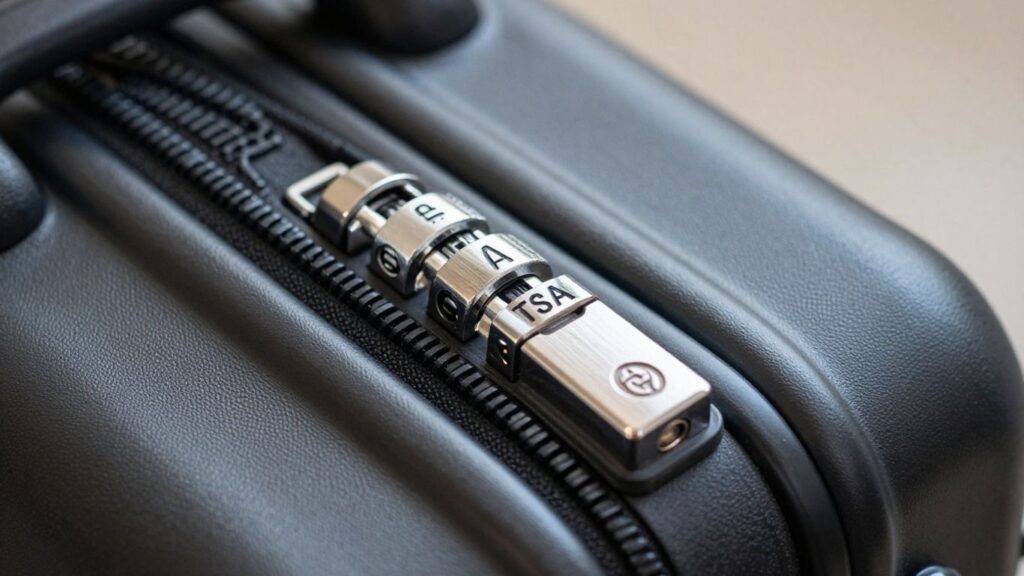
A typical combination lock includes numbered wheels, internal gates, a locking bar or cam, and a shackle or cable. Each wheel turns around an internal shape; when the correct positions line up, the lock can move into its open position. Built-in suitcase locks may connect that mechanism to zipper pulls or a sliding latch instead of a separate shackle.
The outer body protects these parts from casual contact, but small locks necessarily have compact mechanisms. That is one reason dirt, bent zipper pulls, or misalignment can make an otherwise correct code feel ineffective.
How the correct code releases the shackle
When you rotate every dial to the stored combination, the internal gates align. Pressing or pulling the release then moves the locking bar away from the shackle, allowing it to open. Scrambling the wheels afterward prevents someone nearby from simply reading the displayed numbers.
Your code does not usually change just because an authorized inspection tool has been used. The lock’s owner-facing combination remains the setting you selected unless the reset procedure is deliberately activated.
How airport security agents open and relock luggage
If a checked bag needs inspection, authorized personnel use the approved access method associated with the lock system. They can open the lock, examine the bag, and close it again before it continues through the airport. The process is intended to avoid the forced entry that may occur with a non-compatible lock.
After you collect the luggage, check the lock, zipper pulls, and case shell. A closed lock is reassuring, but it is still sensible to confirm that nothing was bent or left unfastened.
Why TSA keys are not included with consumer locks
The separate access tools are intended for authorized security personnel, not for general travelers. Your role is to use the combination and follow the model’s reset instructions. A keyhole on the lock does not mean you should expect a key in the package.
Treat claims about universal access keys cautiously. The practical test for you is whether the product carries a recognized approval marking and whether it fits your suitcase correctly.
How to set and reset a TSA lock
Setting a lock is usually quick, but the exact button, pin, or sliding lever differs between models. Start with the lock open and keep the instructions nearby, especially if the mechanism is integrated into the suitcase. Do not force a dial or release while the shackle is under tension.
Finding the lock’s default combination
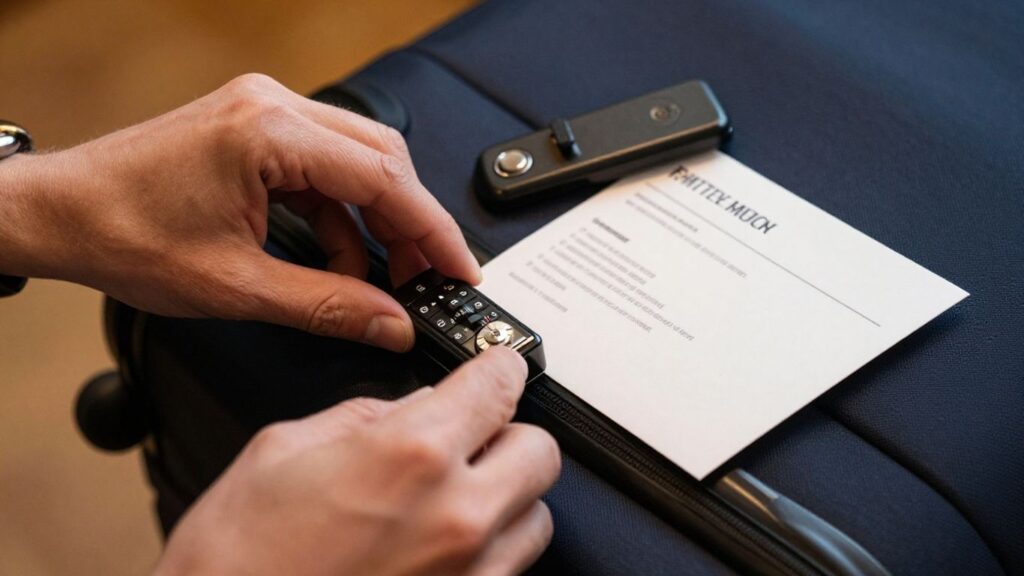
Many new three-dial locks arrive set to 000, but you should confirm that in the supplied instructions rather than assume it. Some products use another factory setting or require a small reset pin before the combination can be changed. If the suitcase came with a lock already installed, check its tag, manual, or manufacturer support information.
Test the default code while the bag is open. That gives you a safe chance to learn the release action before your luggage is packed.
Changing the combination step by step
Most models follow a similar sequence, although the physical control varies. Use this general order:
- Set every dial to the current combination, often the factory code on a new lock.
- Open the shackle or release the suitcase latch while the lock is unloaded.
- Hold the reset button, pin, or lever in its reset position.
- Turn the dials to your new combination, then release the reset control and test the lock.
After the test succeeds, scramble the wheels and try the code again. Complete the process several times before trusting the lock on a trip.
Setting a secure code you can remember
Choose a number that is not obvious from your birthday, address, or a visible luggage tag. You need to remember it without writing the combination on the suitcase itself. A private pattern or meaningful but non-public number can be easier to recall than a random sequence.
A private, memorable code is more useful than a complicated one you may forget at the airport. Store it in a secure password manager if you use one, and avoid sharing it casually.
What to do if the reset button or lever does not work
First, return the dials to the current code and make sure the shackle is fully open. Many reset controls will not move when the lock is closed, loaded, or turned to the wrong position. Look for a tiny release pin, a sliding switch, or an arrow showing the direction of travel.
If the control remains stuck, stop applying force. Remove tension from the zipper pulls, inspect for debris, and consult the model’s instructions or seller support. Repeated forcing can damage the reset mechanism and leave you with fewer options.
TSA locks compared with other luggage security options
A TSA lock is one choice among several luggage-security formats. You can use a built-in lock, a removable padlock, a keyed design, or a cable that passes through zipper pulls. The most suitable option depends on how often you travel, how easily you need to replace the lock, and how well it matches your case.
Built-in combination locks versus padlocks
A built-in lock is harder to misplace and usually gives the suitcase a tidy appearance. A removable padlock is more flexible: you can move it between bags or replace it without changing the suitcase hardware. On the other hand, a built-in mechanism may be better protected from snagging, while a padlock can be easier to inspect or swap.
Measure the practical difference rather than choosing by appearance alone. A lock that cannot line up with your zipper pulls is not useful, however attractive it looks.
TSA key locks versus combination locks
A keyed TSA lock can be quick to open, but you must keep track of the key throughout your journey. A combination lock avoids carrying a separate key, though forgetting the code creates its own problem. Both formats can be suitable when the lock is properly recognized and compatible with your luggage.
For many travelers, a combination is convenient because the key stays out of a pocket, wallet, or hotel room. For others, a small key is easier than remembering another number.
Zipper locks, cable locks, and hard-shell lock systems
Zipper locks usually connect the two zipper pulls, while cable locks can pass through larger or irregular attachment points. Hard-shell cases may use integrated latches that clamp the two halves together. Each design protects a different physical opening, so the lock should be evaluated with the case closed, not in isolation.
The following comparison can help you narrow the choice:
| Option | Main advantage | Main limitation | Good fit for |
|---|---|---|---|
| Built-in combination lock | Stays attached to the case | Replacement may be less simple | Frequent suitcase users |
| Removable padlock | Easy to move or replace | Can be misplaced or snagged | Multiple bags |
| Cable lock | Flexible attachment points | Cable may be thinner than a shackle | Bags with unusual pulls |
| Hard-shell latch system | Neat, integrated closure | Depends heavily on case design | Compatible hard-shell luggage |
The table is a starting point, not a ranking. Inspect the closure points on your own bag and consider whether you can operate the lock with one hand while traveling.
When a traditional lock may be more suitable
A traditional lock may make sense for a non-air-travel container, a gym locker, or luggage that will not go through a screening process requiring authorized access. It can also be practical when you already own a compatible keyed system and control the bag from start to finish.
For checked air baggage, however, a recognized TSA-compatible design is generally the more convenient choice. The point is to match the lock to the environment rather than use one style everywhere.
How secure TSA locks really are
A TSA lock can reduce opportunistic access and help avoid damage during inspection, but it has clear limits. Small luggage locks are designed for portability, not for resisting every determined attack. Your packing habits, bag construction, and travel circumstances all affect the result.
What TSA locks can protect against
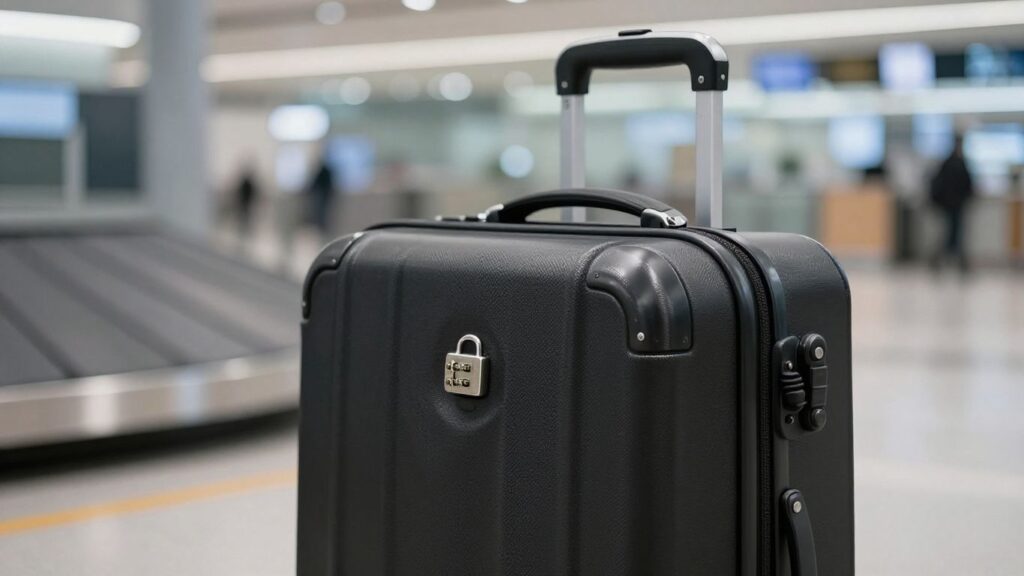
A closed lock can discourage casual opening of zippers or latches while your bag is being moved. It can also help keep the case shut if the zipper pulls are properly aligned. During an authorized inspection, the approved access route may allow the bag to be opened and closed without cutting the lock.
This is useful protection for ordinary handling, especially when your suitcase will spend time away from you. It should be understood as deterrence and inspection compatibility, not absolute protection.
What they cannot prevent
A TSA lock cannot prevent every form of theft, especially if someone is determined and has time, tools, or access to the bag. It does not protect items stored in an unlocked outer pocket, stop baggage mishandling, or guarantee that the case shell and zipper will remain undamaged.
It also does not replace travel insurance, sensible packing, or keeping valuables out of checked luggage. High-value essentials are usually better kept with you when airline rules allow it.
Common weaknesses of luggage locks
The lock body may be small, the zipper fabric may be vulnerable, and the suitcase itself may offer a weaker point than the lock. Lost combinations, corroded parts, misaligned pulls, and accidental dial changes are common practical failures. A lock can also appear secure while a nearby compartment remains open.
That is why you should inspect the entire closure system before departure. Security is only as strong as the easiest part to bypass.
How to improve security beyond the lock
Use a suitcase with sound zippers, strong seams, and a closure that does not strain when packed. Keep identification information inside the case as well as outside, and avoid placing irreplaceable items in checked baggage. Before leaving home, photograph the packed interior and note any distinctive contents.
For broader purchase decisions, a product buying guide can remind you to compare compatibility, reliability, total cost, and long-term use instead of focusing on one feature. Those same habits apply to luggage security.
How to choose the right TSA lock
Choosing a lock begins with your suitcase, not with the lock’s appearance. Check the closure style, available clearance, and space around the zipper pulls or mounting points. Then consider whether you want a permanent part of the case or a removable item you can replace easily.
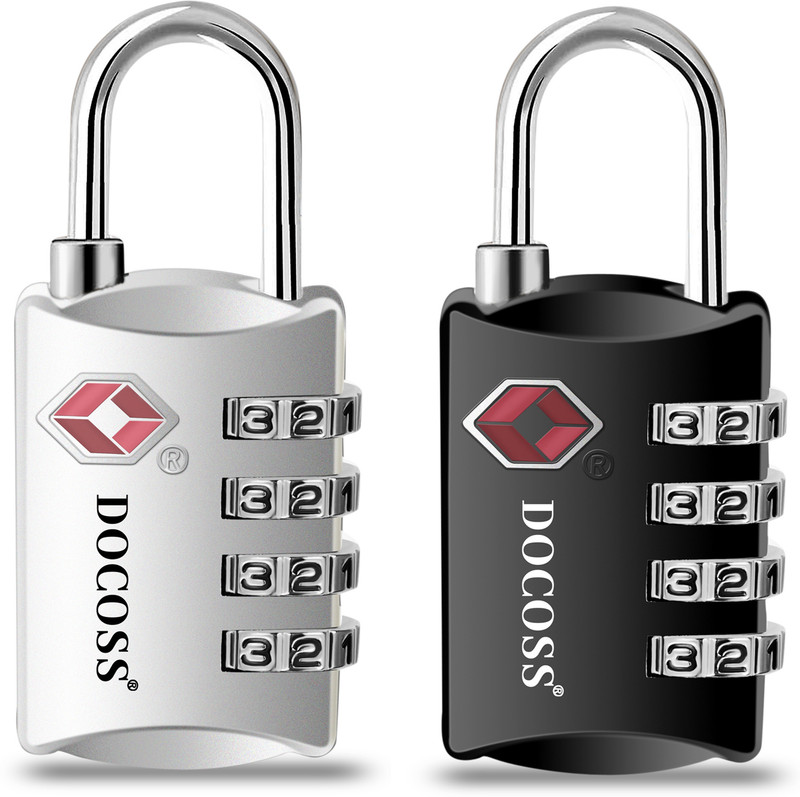
DOCOSS Set of 2-309-Metal TSA Approved Lock 4 Digit for Luggage Bag Travel Locks Safety Lock(Black, Silver)
 Flipkart
Protect You and Your Partners Luggage With a Secure 4 Digit Combination DOCOSS TSA Approved PadlockAdditional Features -Solid construction of high quality zinc alloy and plated steel. -Discourage the thief With the tough 4-digit locks with 10,000 of possiblities which cannot be cracked .Our TSA...
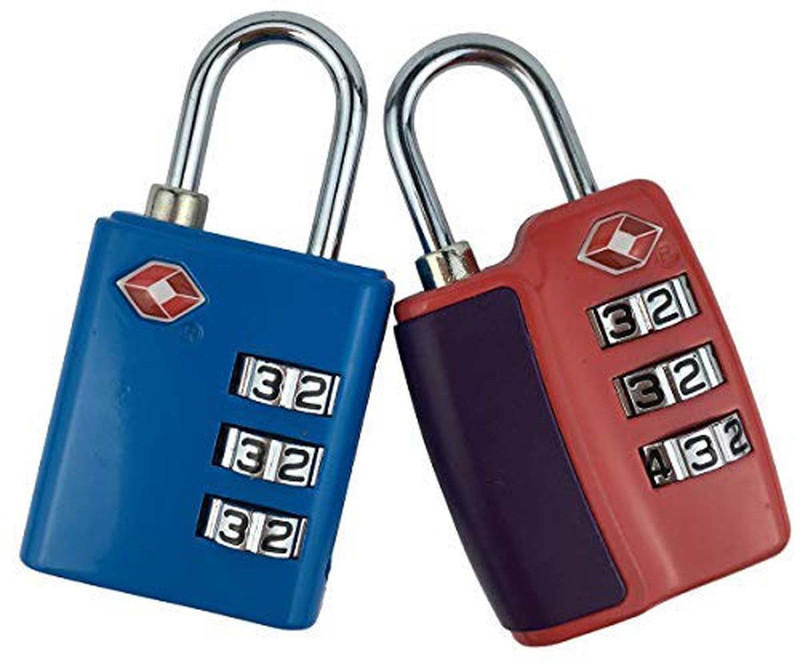
uptodatetools TSA Approved Luggage Locks (Pack of 2), 3 Digit Combination Padlock Codes Safety Lock(Black)
Flipkart
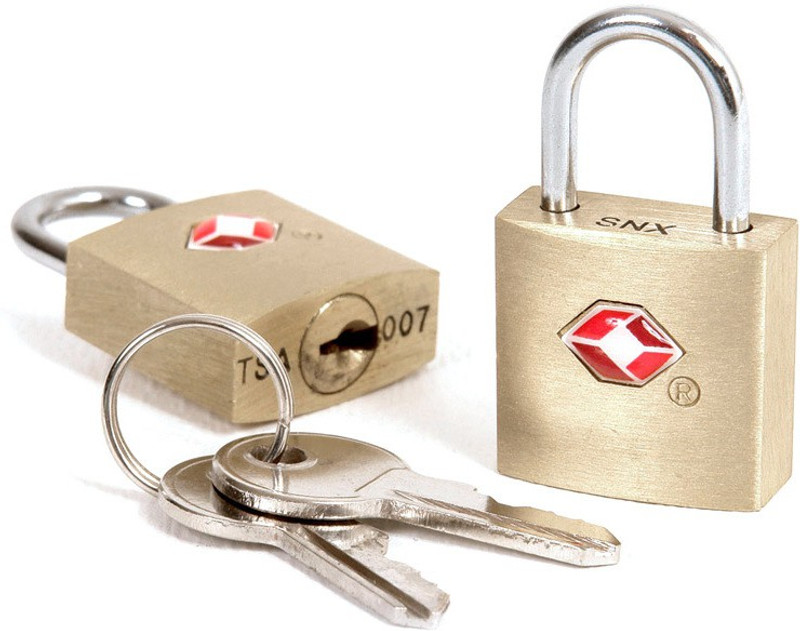
TRAVEL BLUE 2 x TSA Lock Safety Lock(Gold)
Flipkart
If remembering codes isn�t for you then secure your belongings with this simple 22mm key lock. Two keys are included with each lock for easy access to your possessions. Ideal for smaller bags but also works well with suitcases. Made of solid brass, this key lock is both shiny and practical....
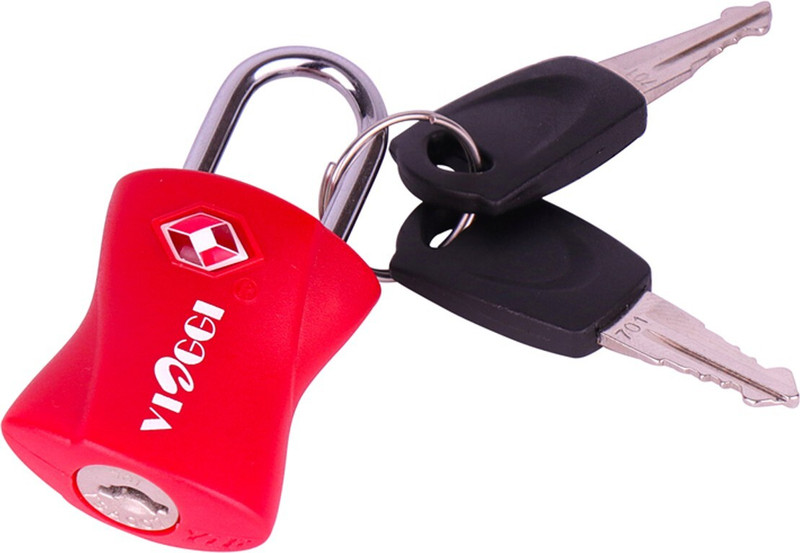
VIAGGI Travel Sentry Approved Metal Security Luggage Padlock with Key Safety Lock(Red)
Flipkart
TSA locks are required for all customers travelling to the USA. If the luggage is fitted with any lock other than those approved by the TSA, they will destroy whatever lock is fitted to gain access. Luggage locks approved by the TSA have a universal master key that will open the locks. Only the...
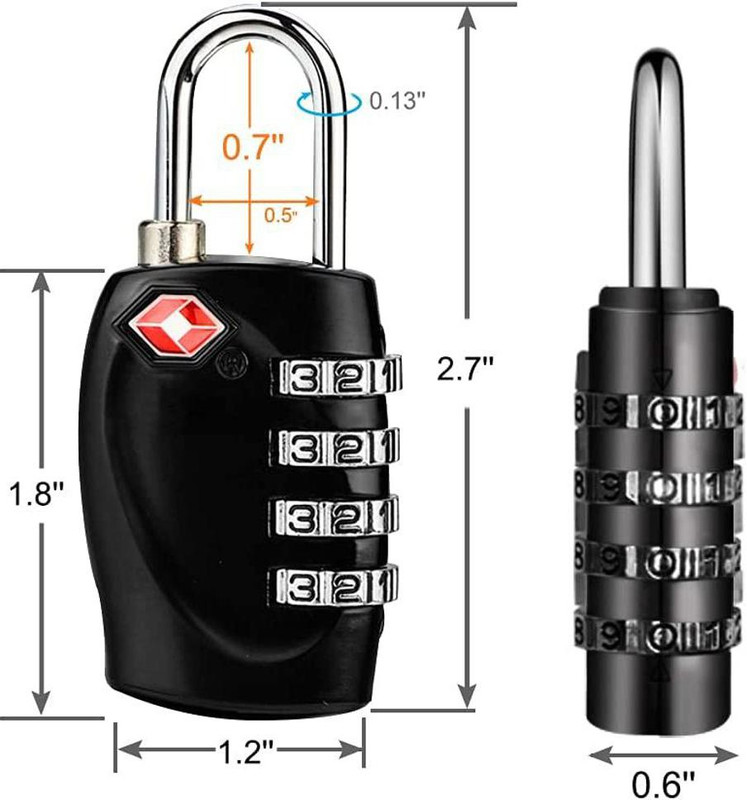
uptodatetools TSA Approved Luggage Locks with 4 Digit Combination Padlock Safety Lock(Multicolor)
Flipkart
Luggage Locks with 4 Digit Combination PadlockSize: 1.2‘’*2.7‘’.Color: Silver, Black.Material: Zinc alloy.Weight about 0.154lb (1pcs).
Checking compatibility with your suitcase
Measure the opening in the zipper pulls or hasp and compare it with the shackle or cable diameter. On an integrated case, confirm that the replacement mechanism uses the same mounting pattern. If you are shopping online, look for dimensions and photos that show the lock attached to luggage.
A lock that is too large may prevent the zipper from closing, while one that is too small may not hold both pulls securely. Test the fit before packing for a trip.
Choosing between built-in and removable designs
Built-in locks are convenient because they stay with the suitcase and are less likely to disappear in a hotel room. Removable locks offer portability and simple replacement if the mechanism becomes damaged. Your travel frequency and number of bags should guide the decision.
If several people use the same luggage, a removable combination lock may be easier to transfer. If one suitcase is your regular travel companion, an integrated design may feel less fussy.
Comparing materials, durability, and weather resistance
Look for a body that feels solid, a shackle or cable that is not visibly flimsy, and dials that turn cleanly without excessive looseness. Weather resistance matters when luggage sits on a wet trolley or airport apron. Still, material labels alone do not prove durability; construction and user reviews provide useful context.
Open and close the lock several times before travel. Smooth operation is a practical sign that the mechanism will be easier to use under pressure.
Evaluating lock certifications and brand quality
Check for the appropriate recognition symbol, clear instructions, a support route, and consistent product information. A reputable seller should explain the lock’s reset procedure and compatibility rather than relying only on a product photograph. You can also compare warranty terms and replacement availability.
Do not pay for features you will not use. The best choice is the one that fits your case, offers a clear inspection path, and remains manageable during real travel.
How to use a TSA lock when traveling
Using the lock well is mostly a matter of preparation. Set and test it at home, pack without pulling the closure tight, and make sure you can open it without looking at a manual. A few minutes before departure can prevent a stressful problem at the airport.
Locking checked baggage correctly
Close every zipper or latch fully, bring the intended pulls or hasps together, and engage the lock only after the case is not overstuffed. Turn the dials away from your combination and tug gently on the closure to confirm it holds. Do not test by yanking hard enough to strain the zipper.
Keep the combination private, but do not rely on memory alone if you are prone to forgetting codes. A secure personal record can save time later.
Preparing for airport screening
Before handing over the bag, make sure the TSA marking is visible and the lock is properly closed. Remove prohibited or restricted items according to current airline and airport rules, since a lock cannot solve a packing issue. If you are unsure about a specific item, check the relevant official guidance before leaving home.
You can also watch a clear TSA lock setup guide for a visual reminder of the general combination process. Your individual model may use a different reset control, so follow its instructions first.
What to do if security opens your luggage
Inspect the lock and case when you retrieve the bag. Confirm that the lock is closed, the zipper pulls are seated, and the contents appear orderly. If you notice damage or missing items, document it promptly and contact the airline or airport service channel while you are still able to provide details.
An inspection does not necessarily mean something went wrong. A correctly functioning TSA lock is intended to make that authorized access possible without destroying the closure.
Troubleshooting a jammed, forgotten, or damaged lock
If the lock jams, return the dials carefully to the known combination and remove pressure from the zipper pulls. For a forgotten code, avoid cycling through combinations in a rushed setting and consult the manufacturer’s support instructions. Do not try to defeat the lock with improvised tools, particularly when the bag is at an airport.
A damaged lock should be replaced before the next trip, even if it still closes. Take a photo of the model and marking so you can find a compatible replacement rather than guessing.
Conclusion
A TSA lock is a practical way to secure checked luggage while allowing authorized airport personnel to inspect the bag through an approved access method. Choose one that fits your case, set the code carefully, and remember that it deters casual access rather than providing absolute security. With a little preparation, you can make screening and baggage handling less stressful.
Frequently Asked Questions
What does TSA stand for in a luggage lock?
TSA refers to the Transportation Security Administration, the United States agency responsible for transportation security. In luggage, the term generally describes a lock designed for an approved airport inspection process.
Can anyone open a TSA lock?
You open your lock with the personal combination. Authorized security personnel have a separate inspection access method, while ordinary travelers do not receive that method with the consumer lock.
Are TSA locks completely theft-proof?
No. They can discourage casual tampering and help protect a closed suitcase during handling, but determined access may target the zipper, fabric, shell, or another weak point.
Is 000 always the default combination?
No. Many locks use 000 when new, but defaults vary. Check the instructions or packaging and test the lock while your suitcase is still open.
Can you use a TSA lock on carry-on luggage?
Yes, if the lock fits the bag’s closure. The inspection benefit is usually more relevant to checked luggage, but a compatible lock can still secure a carry-on when appropriate.
What happens if you forget the combination?
Try the model’s documented recovery or reset process without forcing the mechanism. If the lock is closed and the combination cannot be recovered, contact the manufacturer or seller for model-specific help.
Should valuables go in luggage protected by a TSA lock?
You should generally keep irreplaceable, essential, or very high-value items with you when airline rules allow. A TSA lock is a useful deterrent, not a substitute for careful packing or travel insurance.