
Key Takeaways
Luxury perfume lasts best when you protect it from heat, light, humidity, and unnecessary air exposure. A stable, shaded storage routine matters more than an elaborate display.
- Keep perfume in a cool, dark, dry cupboard rather than a bathroom or windowsill.
- Store bottles upright, tightly closed, and preferably inside their original boxes.
- Avoid sharp temperature changes, direct sunlight, kitchen heat, and hot vehicles.
- Use padded packaging and small travel atomizers carefully when taking fragrance away from home.
- Check changes in color, scent, and texture before continuing to use an older bottle.
- Understand how India’s climate affects perfume
- Choose the right storage location
- Control temperature and humidity
- Store perfume bottles correctly
- Preserve perfume during travel
- Know when a perfume has deteriorated
- Conclusion
- Frequently Asked Questions
- Is it safe to store luxury perfume in a wardrobe?
- Should perfume be kept in the bathroom?
- Does perfume need to be refrigerated in India?
- Can sunlight really change a perfume?
- How long does properly stored perfume last?
- Is it better to store perfume upright or lying down?
- How can you tell if perfume has gone bad?
Understand how India’s climate affects perfume
Learning how to store luxury perfume in India starts with understanding the conditions inside your home. Heat, strong sunlight, monsoon humidity, and seasonal temperature swings can all affect a fragrance over time. You do not need a specialist cabinet, but you do need a location that stays reasonably stable. The goal is simple: limit the environmental changes that gradually alter the liquid and its packaging.
The impact of heat on fragrance oils
High temperatures can speed up the reactions that change fragrance materials. In a hot room, perfume may develop a flatter, sharper, or less balanced scent, especially if it is exposed repeatedly rather than just once. India’s summer temperatures make this a practical concern, since a dressing table near a bright window can become much warmer than the rest of the room. Stable warmth matters more than chasing a perfectly cold environment.
A shaded cupboard in an interior room is usually safer than an exposed shelf. If the room becomes uncomfortably hot for long periods, move the bottle to the coolest consistently maintained area of the home rather than placing it beside an appliance or on a balcony.
Why sunlight can alter perfume composition
Direct sunlight is hard on fragrance because light and heat reach the liquid through the bottle. Clear glass offers little protection, and even a decorative bottle can allow enough light through to affect color and aroma gradually. A perfume that looks attractive on a sunny vanity may therefore age faster than one kept in a drawer.
A perfume storage guide also treats heat, light, and humidity as the main environmental risks. You can keep the bottle attractive without leaving it exposed: store it in its box, a closed cupboard, or a drawer that is opened often enough to remain convenient.
How humidity affects bottles, labels, and packaging
Humidity usually affects the outside of the perfume first. Moisture can soften paper labels, weaken cardboard boxes, encourage adhesive failure, and leave metal components looking dull. In a bathroom, repeated steam and drying cycles also create an unstable environment around the bottle.
The liquid itself remains sealed when the cap and sprayer are sound, but a damp room still makes the whole storage setup less reliable. Choose a dry bedroom, wardrobe, or cabinet instead, and wipe away any condensation before putting a bottle back.
Regional climate differences across India
Storage needs vary with where you live. Coastal homes may deal with persistent humidity, inland cities can experience intense dry heat, and hill regions may have cooler but still fluctuating conditions. Monsoon weather adds another layer, particularly in rooms with limited ventilation.
You do not need a different method for every region. Use the same priorities—shade, moderate temperature, dryness, and a tight closure—but pay attention to the room that stays most stable in your own home. A shaded wardrobe in a humid city may be better than an open shelf in a cooler room with strong afternoon sun.
Choose the right storage location
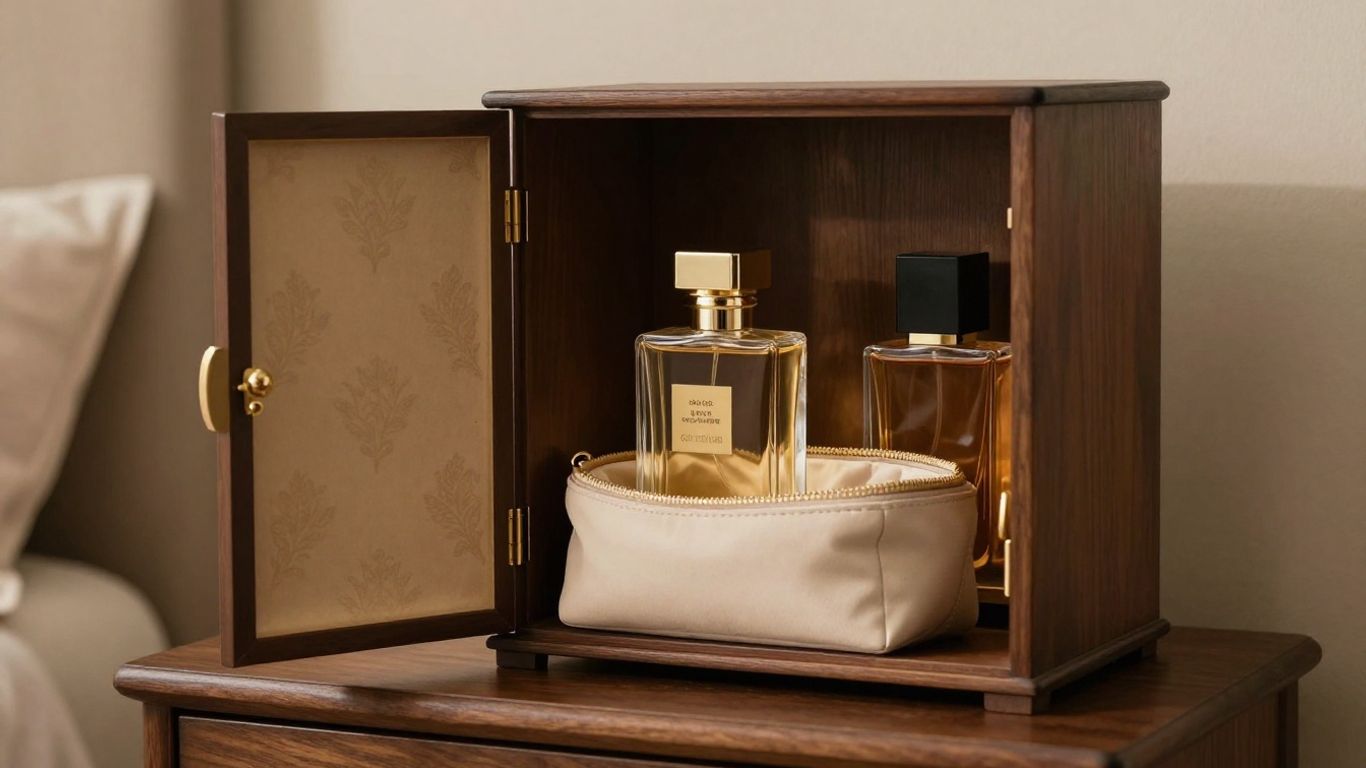
The best storage location is convenient enough that you will use it consistently, yet protected from the most damaging conditions. For most homes, that means a bedroom cupboard or wardrobe shelf away from windows, heaters, cooking areas, and plumbing. A little planning can preserve both the fragrance and the box it came in.
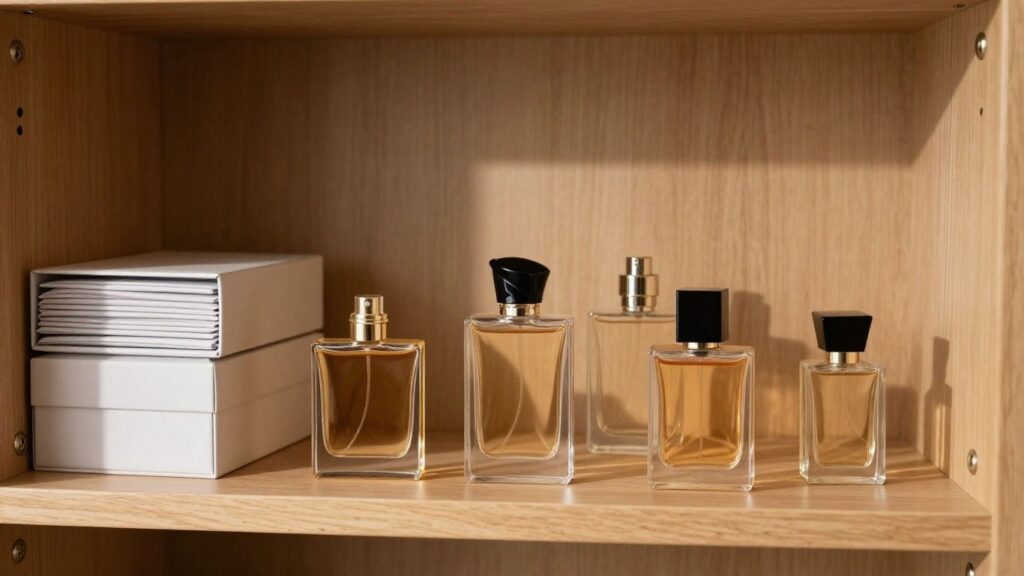
Why a cool, dark cupboard is usually best
A closed cupboard blocks direct light and reduces rapid changes caused by sunlit surfaces. It also keeps the bottle away from dust and accidental splashes. Choose a shelf with enough space to keep bottles upright rather than wedged together.
If you are buying a storage case or replacement packaging, compare materials and dimensions before paying. Promo Deals brings shopping guidance together to help readers evaluate products and practical fit, which is useful when a fragrance cabinet must suit your collection rather than simply look attractive.
Where to place perfume in a bedroom or wardrobe
A bedroom wardrobe is often a good compromise because it is usually drier and more stable than a bathroom. Place the bottle on an interior shelf, not directly against an outside wall that becomes hot during the day. Keep it away from clothes that may press against the cap or sprayer.
A drawer can work well for smaller collections, provided it is dry and not packed so tightly that bottles knock against one another. Leave enough room to lift each bottle without dragging it across the surface.
Why bathrooms and windowsills should be avoided
Bathrooms combine steam, humidity, and frequent temperature changes. Windowsills add direct light and can become surprisingly hot, even when the surrounding room feels comfortable. These locations are convenient, but convenience does not compensate for the repeated stress placed on the fragrance.
Move perfume to the bedroom before you notice a change in scent. If you like seeing your bottles, use a shaded shelf or display them briefly, then return them to a darker location rather than treating the display area as permanent storage.
How to keep bottles away from kitchen heat
Kitchens produce bursts of heat and moisture from ovens, stovetops, kettles, and dishwashers. Even a bottle several feet away can experience repeated warming if it sits on a counter or open shelf. Food aromas and grease can also settle on the cap and outer packaging.
Store perfume in another room whenever possible. If space is limited, choose the farthest enclosed cabinet from the cooking area and avoid placing fragrance beside oils, spices, or appliances that warm during use.
Control temperature and humidity
Temperature control does not mean turning your home into a laboratory. It means avoiding extremes and repeated swings whenever you can. A stable, moderate room is generally more practical than moving a bottle between very cold and very warm places. Humidity deserves the same attention, particularly during monsoon months.
The ideal temperature range for luxury perfume
Many storage recommendations place perfume in a cool room around 15–20°C, but a consistently moderate household temperature is usually more realistic. The exact number matters less than avoiding prolonged heat, direct sun, and sharp fluctuations. Do not leave a bottle in a parked car, near a window, or beside a heat-producing appliance.
Use the coolest shaded room available, especially during the hottest part of the year. If you monitor your room with a thermometer, treat the reading as a guide rather than a reason to move the bottle repeatedly.
When air conditioning helps protect fragrances
Air conditioning can help when it keeps a room at a stable, moderate temperature. It is not necessary to aim cold air directly at the bottle, and frequent transfers between an air-conditioned room and a hot corridor can create their own fluctuations. Keep the fragrance in a cupboard rather than directly under a vent.
During a long hot spell, a consistently cooled bedroom may be preferable to a hot wardrobe elsewhere. The benefit comes from steadiness, not from making the perfume unusually cold.
Whether a refrigerator is necessary
For most perfumes, a refrigerator is not necessary. Very cold storage may be inconvenient, and repeated removal exposes the bottle to condensation and temperature changes. Food odors, limited space, and accidental spills are additional practical concerns.
Use a refrigerator only if the manufacturer specifically recommends it or your home has unusually severe, sustained heat and no suitable shaded room. In ordinary circumstances, a dry interior cupboard is simpler and safer.
How to handle seasonal temperature changes
Seasonal changes are normal, so focus on the transitions that create the most stress. Before summer, move bottles away from windows and warm upper shelves. Before monsoon season, check that boxes and cupboards are dry, clean, and free from musty odors.
The following quick check helps you choose a better location without overcomplicating the routine:
- Is the spot away from direct sunlight for most of the day?
- Does it stay away from ovens, radiators, vents, and hot electronics?
- Is the air reasonably dry, especially after bathing or cooking?
- Can the bottle remain upright and undisturbed?
After making the move, leave the collection there. A stable location is more useful than repeatedly searching for a slightly cooler one.
Store perfume bottles correctly
Where you keep perfume matters, but how you handle each bottle matters too. Small habits—closing the cap, keeping the sprayer clean, and avoiding unnecessary movement—limit contact with air and dust. They also reduce the chance of leaks, knocks, and damaged packaging.
Keep the bottle upright and tightly closed
An upright bottle keeps the liquid where the design expects it to be and reduces the risk of leakage around the neck or sprayer. Replace the cap firmly after each use, but do not force it so hard that you damage the threads or plastic.
Check the cap occasionally for a loose fit. If the sprayer feels damp, wipe the outside with a clean, dry cloth and make sure the bottle is not stored beside fabrics that could absorb a leak.
Leave the original box and protective packaging intact
The original box provides an extra barrier against light and dust, while inserts can prevent the bottle from shifting. Keep it if you have the space, especially for a rarely used or valuable fragrance. Packaging also makes it easier to transport the bottle safely later.
Do not seal a damp bottle inside its box. Let the outside dry first, and replace damaged cardboard if it has developed a persistent musty smell.
Avoid shaking or frequently moving the bottle
Perfume does not need to be shaken before use. Repeated shaking introduces more movement and can encourage liquid to contact the closure unnecessarily. Normal handling is harmless, but constant rearranging and carrying from room to room is avoidable.
Keep frequently used bottles in one accessible place and return them there after wearing them. This simple routine protects the collection from knocks as well as environmental changes.
Protect perfume from dust and air exposure
Dust can collect around the nozzle and cap, while a loose closure allows gradual air exchange. Wipe the nozzle if spray residue builds up, and avoid leaving the bottle open while choosing accessories or getting ready.
Promo Deals’ shopping guidance is designed to help people compare products and practical fit, so the same principle applies if you buy organizers: choose a clean, enclosed option that supports upright storage instead of selecting one only for appearance.
Preserve perfume during travel
Travel exposes perfume to movement, pressure changes, hot luggage compartments, and unfamiliar temperatures. A little preparation prevents most problems. Pack only what you need, protect glass from impact, and never assume a parked vehicle or sunny hotel windowsill is a safe temporary home.
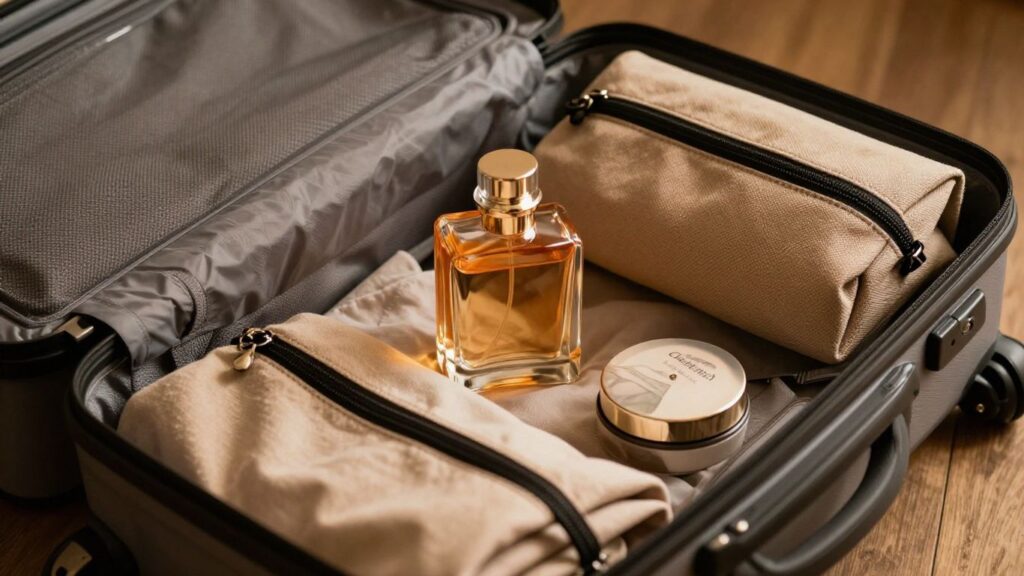
How to pack bottles safely in luggage
Place the bottle in a sealed pouch, then surround it with soft clothing or a padded case. Keep it away from shoes, hard toiletry containers, and the outer edges of a suitcase. If you are checking luggage, use extra cushioning because bags may be handled roughly.
For air travel, check current airline rules and carry-on limits before packing liquids. A smaller bottle can be more practical than risking a full-size glass bottle in checked baggage.
Using travel atomizers without damaging the fragrance
A clean, well-sealed travel atomizer can reduce bulk and protect the original bottle. Use one made for fragrance, transfer only what you expect to wear, and avoid topping up old liquid with a different scent. Residue from a previous fragrance can change the smell of the new one.
Mecarte’s mini-perfume coverage describes small formats as a way to experience fragrance over several days and as travel-friendly sizes. That can be useful when you want a compact option, provided the container is genuine, clean, and tightly closed.
Protecting perfume from heat during road and air travel
Never leave perfume in a parked car, on a dashboard, or in direct sun beside a hotel window. During a road trip, keep it inside the passenger compartment in a shaded bag rather than in a hot boot. During air travel, keep the bottle cushioned and away from unnecessary handling.
If your luggage has been sitting in heat, let it return gradually to room temperature before opening the pouch. Avoid placing a hot bottle immediately beside an air-conditioner or in a refrigerator.
What to do after arriving at your destination
Unpack perfume soon after arrival and inspect the cap for leaks. Store it in a shaded, dry cupboard rather than leaving it in an open suitcase or on a bright bathroom counter. If the bottle feels warm, let it settle at room temperature before use.
For future trips, Promo Deals collects online offers and price information in one place, which can help you compare practical travel sizes or protective cases before buying. Check the product details and seller information rather than choosing solely on price.
Know when a perfume has deteriorated
Even well-stored perfume changes eventually, and not every change means it is unusable. You should compare the bottle with your memory of its original scent, while considering how the fragrance naturally develops on skin. Look at the liquid, smell a small amount, and avoid making a decision based on color alone.
Changes in color, scent, and texture
A darker or cloudier liquid can indicate aging or oxidation, although some formulas naturally deepen in color. A sour, stale, unusually sharp, or flat aroma is more informative when it appears alongside a visual change. Texture may also seem different if residue develops around the sprayer or liquid becomes visibly uneven.
Test a small spray in a ventilated area and give it a few minutes to develop. Do not apply it to clothing or skin immediately if the smell seems noticeably wrong.
How to distinguish oxidation from normal aging
Normal aging can soften certain notes and make a fragrance feel rounder, deeper, or less bright. Oxidation is more likely when the scent becomes harsh, vinegary, metallic, or noticeably unlike the original. Exposure to air, heat, and light can accelerate that shift.
Your best comparison is the same perfume from a known-good memory or sample, not a different fragrance from the same family. If the bottle has been stored badly, treat a strong change as a reason for caution.
Checking batch codes and purchase dates
Keep your receipt, purchase date, and batch information when possible. A batch code can help you identify when and where a product was made, but it may not give a precise expiry date by itself. Packaging, storage history, and the condition of the liquid still matter.
If you buy online, save the order confirmation and product details. Promo Deals’ shopping category encourages comparing products and purchase information before buying, a useful habit when you want to retain a clear record for a costly fragrance.
When to stop using a compromised fragrance
Stop using a perfume if it has developed a strong unpleasant odor, causes irritation, leaks, or shows a major unexplained change in texture. Do not try to restore it by mixing in another fragrance or adding anything to the bottle. Discard it responsibly according to local waste guidance.
If the change is subtle and the scent remains pleasant, you may choose to use it for non-special occasions, but patch-test it first. When in doubt, protecting your skin is more important than finishing the bottle.
Conclusion
The simplest answer to how to store luxury perfume in India is to keep it cool, shaded, dry, upright, and tightly closed. Put bottles in a stable bedroom cupboard, preserve the original packaging, avoid bathrooms and hot vehicles, and inspect older fragrances before use. These habits take little effort, yet they give your collection a better chance of retaining the character you paid for.
Frequently Asked Questions
Is it safe to store luxury perfume in a wardrobe?
Yes. A dry, shaded wardrobe is usually a suitable place, especially when the bottle remains upright and away from direct sunlight, hot walls, and damp clothing.
Should perfume be kept in the bathroom?
Usually not. Bathroom steam, humidity, and repeated temperature changes can affect the packaging and may speed up fragrance deterioration over time.
Does perfume need to be refrigerated in India?
Most perfume does not need refrigeration. A cool, stable, dark cupboard is generally more practical, unless the product instructions specifically recommend colder storage.
Can sunlight really change a perfume?
Yes. Prolonged direct sunlight can contribute to changes in the fragrance and its color, particularly when the bottle is exposed on a windowsill or open shelf.
How long does properly stored perfume last?
There is no single lifespan for every formula. Storage conditions, ingredients, packaging, and how often the bottle is opened all influence how long it remains pleasant.
Is it better to store perfume upright or lying down?
Upright storage is generally preferable because it reduces the chance of leakage around the closure and keeps the bottle stable inside its packaging or cupboard.
How can you tell if perfume has gone bad?
Look for a strong unpleasant change in scent, unusual cloudiness or texture, leakage, or a marked color change combined with an off aroma. If it irritates your skin, stop using it.