
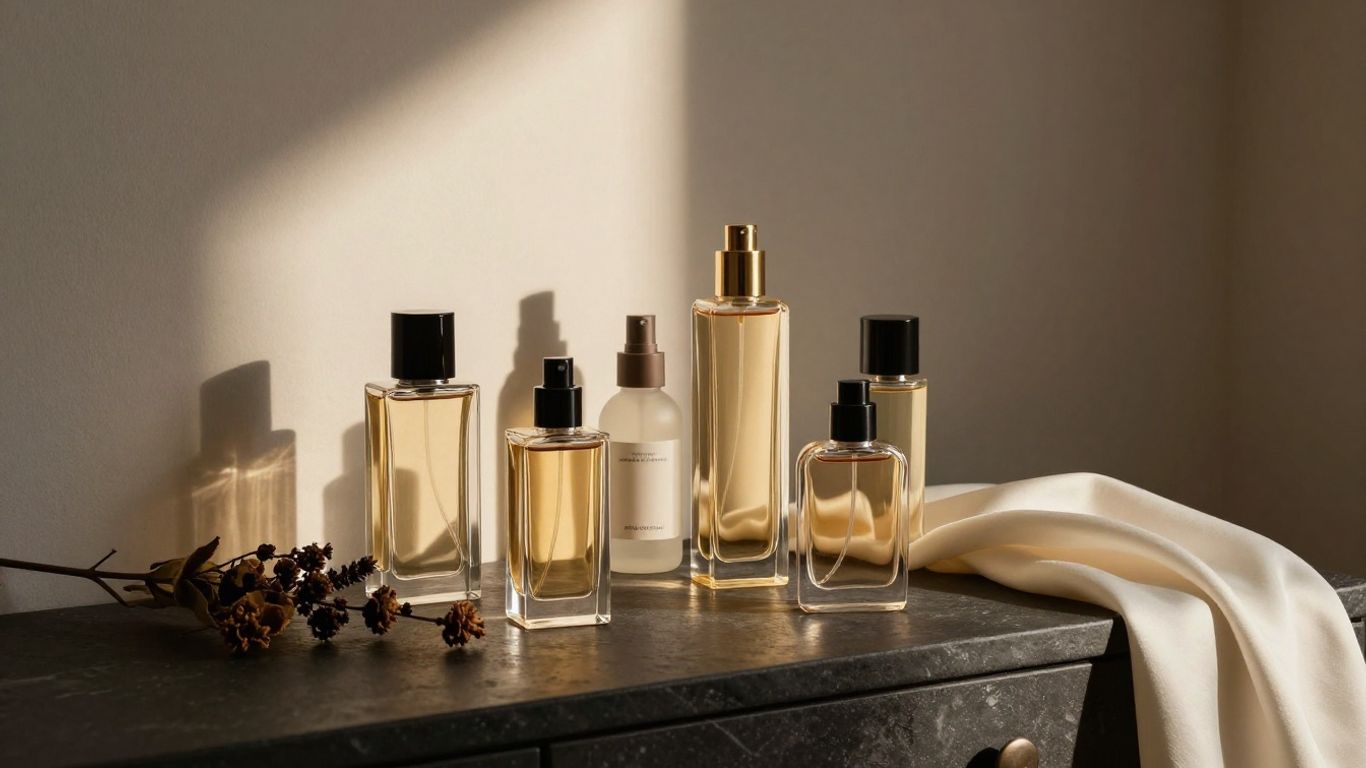
Key Takeaways
A lasting fragrance usually comes from a few small choices rather than one secret trick. Pay attention to the perfume itself, your skin, how you apply it, and where you keep the bottle.
- Choose a concentration and fragrance profile that naturally suit your desired wear time.
- Moisturize clean skin before applying perfume, especially if your skin tends to feel dry.
- Spray lightly on pulse points and avoid rubbing the fragrance into your skin.
- Store the bottle in a cool, dark, stable place away from humidity.
- Reapply thoughtfully, adjusting the amount to your setting and the people around you.
- Understand what affects perfume longevity
- Prepare your skin before applying fragrance
- Apply luxury perfume strategically
- Layer fragrance for longer-lasting results
- Protect your perfume from losing its strength
- Refresh your fragrance throughout the day
- Conclusion
- Frequently Asked Questions
- Does perfume last longer on moisturized skin?
- Which perfume concentration lasts the longest?
- Should you rub your wrists together after spraying perfume?
- Is it better to spray perfume on skin or clothes?
- How should perfume be stored at home?
- Can you layer two perfumes together?
- How often should you reapply perfume?
Understand what affects perfume longevity
Before you change how you apply perfume, understand why one fragrance lasts longer than another. Concentration, ingredients, skin chemistry, weather, and movement all influence what you smell over the course of a day. Once you know which factors are working for or against you, you can make more useful adjustments instead of simply adding more sprays.
Concentration levels from eau de cologne to parfum
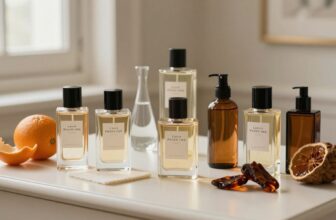
Fragrance concentration refers broadly to the proportion of aromatic materials in the formula. Eau de cologne is generally lighter and tends to fade sooner, while eau de toilette, eau de parfum, and parfum typically offer progressively greater richness and persistence. The labels are not perfectly standardized, so treat them as useful categories rather than guarantees of a specific number of hours.
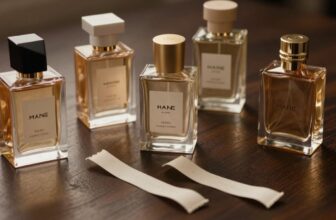
If longevity is your priority, compare fragrances within the same family and test them on your skin. A lighter eau de parfum may wear more comfortably and last longer for you than a dense parfum that feels overwhelming. When shopping, perfume longevity tips can give you another starting point for comparing concentration and application advice.
How fragrance notes influence wear time
Perfume unfolds in stages. Bright citrus, watery accords, and some airy herbs often appear first and may become quieter relatively quickly, while woods, resins, vanilla, amber, and musk commonly remain closer to the skin for longer. That does not mean a fragrance with fresh top notes disappears; its middle and base notes may simply become less noticeable to your nose.
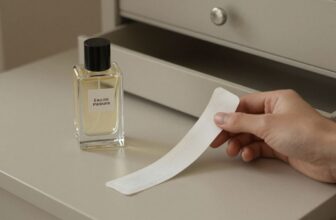
Give a scent time to develop before deciding that it fades too fast. Smell it shortly after applying, again after an hour, and later in the day. This simple test separates genuine longevity from the normal change in character that occurs as the top notes lift.
The role of skin type and natural oils
Your skin provides the surface where perfume develops, and its condition matters. Natural oils can help fragrance cling to the skin, while very dry skin may allow the aromatic materials to evaporate more quickly. Body chemistry can also alter how a perfume smells, which is why a scent that lasts beautifully on one person may feel quieter on another.
Do not treat this difference as a flaw in either your skin or the perfume. Test a fragrance on your own wrist or inner arm, then wait through its dry-down. A small amount of neutral moisturizer can often improve the experience without changing the fragrance’s character.
Why climate and daily activity matter
Heat can make perfume project more strongly at first, while cold weather may keep it closer to the skin. Humidity, sweating, exercise, wind, and frequent clothing changes can all affect how quickly you notice the scent. Your schedule matters too: a fragrance may last through a quiet office day but need a careful refresh after commuting outdoors.
Think of longevity as a moving target rather than a fixed promise. For a useful comparison, note the weather, your activity, and the number of sprays each time you test a fragrance. This gives you a more honest picture than judging it during one unusually hot or active day.
Prepare your skin before applying fragrance
Good preparation gives perfume a better surface to rest on. Clean, comfortable skin helps you notice the fragrance clearly, while excessive competing scents can make the result muddy. A few minutes of preparation can do more for wear time than repeatedly spraying throughout the day.
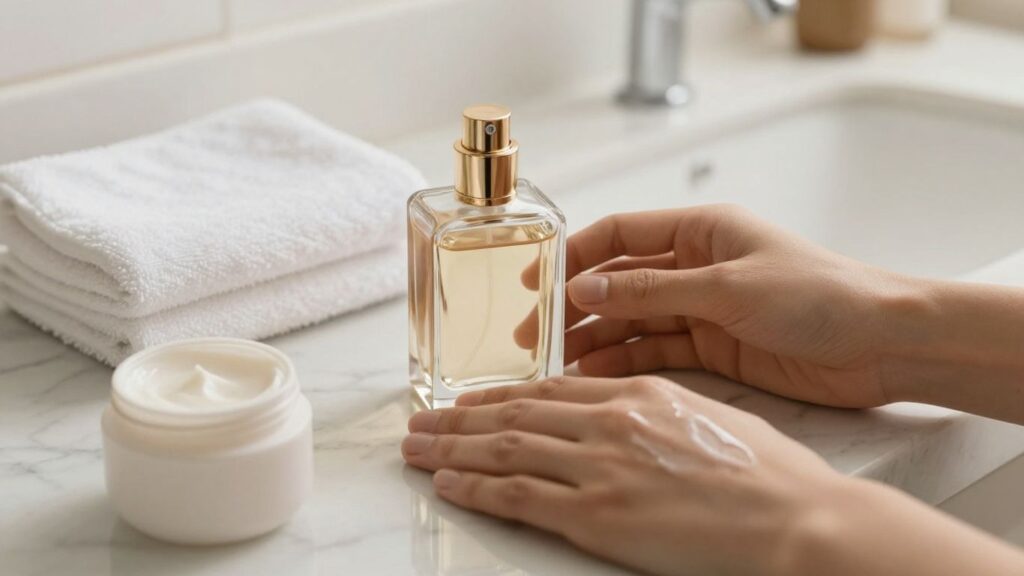
Why moisturized skin holds scent better
A moisturizer adds a lightly emollient layer that can help fragrance stay noticeable on the skin. Apply it to clean skin and allow it a moment to settle before spraying perfume. You do not need a thick or greasy coating; a comfortable, hydrated surface is enough.
Use the same approach on pulse points and any other area where you plan to apply fragrance. If your lotion leaves a strong film or scent, it may alter the perfume, so keep the texture and aroma restrained.
Choosing an unscented or matching body lotion
An unscented lotion is the easiest choice when you want the perfume to remain the main character. You can also choose a body product with a closely related scent, such as a soft vanilla lotion under a warm amber fragrance. The goal is harmony, not piling several unrelated aromas onto the same skin.
Read the product labels and consider the whole routine, including shower gel, deodorant, hair products, and body oil. If you are comparing beauty purchases, beauty deals may help you find options, but a lower price is useful only when the product fits your routine and does not compete with your perfume.
When to apply perfume after showering
Applying perfume after a shower can work well because your skin is clean and warm. Pat yourself dry rather than rubbing vigorously, then apply moisturizer while the skin still feels comfortable and slightly supple. Wait until your skin is no longer wet before spraying, since water can dilute the fragrance and make application uneven.
A calm post-shower routine also gives the perfume time to settle before you dress. If you use scented soap or shampoo, allow those aromas to fade a little first so you can judge the final combination more accurately.
How dry skin can shorten fragrance performance
Dry skin often gives perfume fewer oils and a less supple surface to cling to. Flaking, tightness, or frequent use of harsh cleansers can make the problem more noticeable. You may find that the opening smells vivid but the fragrance becomes difficult to detect sooner than expected.
Support your skin with a gentle moisturizer and avoid applying perfume immediately after exfoliating or shaving if the area feels sensitive. These steps will not turn every fragrance into an all-day scent, but they can make the wear more even and comfortable.
Apply luxury perfume strategically
Application technique affects both longevity and how other people experience your fragrance. The aim is a soft, gradual release rather than a cloud that arrives before you do. Apply with intention, then give the perfume time to warm and develop on your skin.
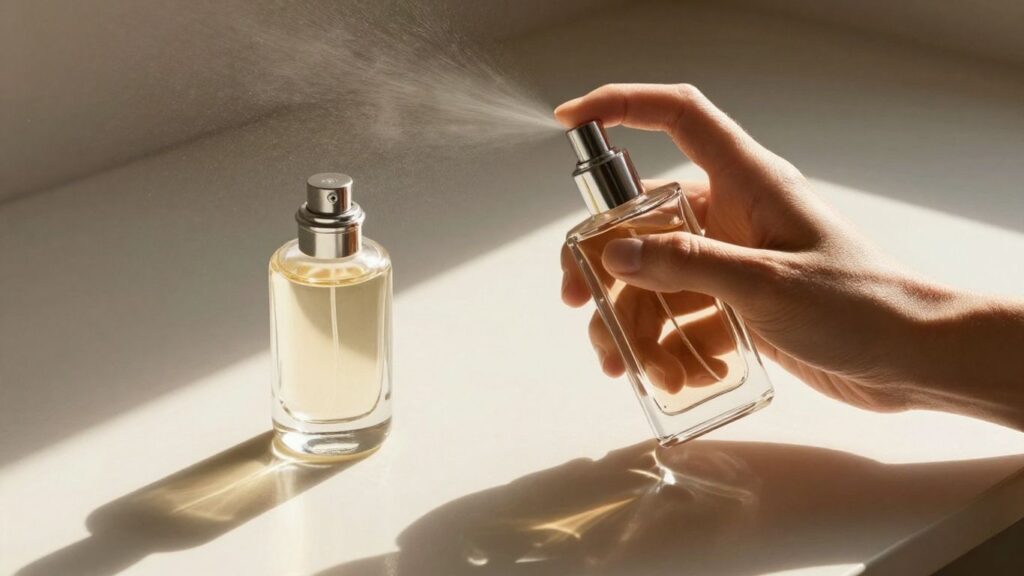
The best pulse points for fragrance application
Pulse points are areas where the skin is relatively warm, such as the wrists, sides of the neck, behind the ears, and the inner elbows. Warmth can help the fragrance open naturally, while placing it near the neck makes it easier for you and nearby people to notice. You only need a few selected points; covering every possible area is rarely necessary.
Try one spray at the neck and one at a wrist, or choose the inner elbows if you prefer a quieter effect. Apply to clean skin and let the perfume dry without rubbing. The right application technique can make a modest amount feel more balanced and last more gracefully.
Why spraying from the right distance matters
Hold the bottle several inches from your skin so the mist lands in a light, even layer. Spraying too close can leave a concentrated wet spot, while spraying too far can scatter much of the fragrance into the air. A fine mist gives the perfume a better chance to settle across the intended area.
Keep the bottle upright and press the atomizer fully when you spray. If the nozzle produces a stream rather than a mist, clean it according to the bottle’s care instructions or have it checked. Do not rub the area afterward, since friction can change the way the opening develops.
How many sprays to use without overdoing it
There is no universal perfect number because formulas, settings, and personal sensitivity differ. Start with fewer sprays than you think you need, wait ten to fifteen minutes, and then assess the projection. Your nose may become accustomed to the scent even while other people can still smell it clearly.
For everyday wear, a useful starting routine is:
- One spray on each side of the neck for a soft, close impression.
- One spray on a wrist or inner elbow when you want a little more presence.
- An additional light spray only for an open-air setting or a particularly quiet fragrance.
- A reduced amount in shared offices, classrooms, cars, and other close spaces.
This approach lets you build gradually rather than correcting an overly strong application. Remember that longevity and projection are different: a perfume can remain on your skin without filling the room.
Whether to spray perfume on skin, hair, or clothing
Skin is usually the best place to understand a fragrance because body warmth helps it develop. Clothing fibers can hold scent for a long time, but some formulas may mark delicate, pale, or treated fabrics. Hair can also retain fragrance, although alcohol-heavy sprays may feel drying when used frequently.
If you apply to clothing, use a very light mist from a reasonable distance and test an inconspicuous area first. For hair, spray into the air and walk through the mist or use a product specifically made for hair. Keep the main application on moisturized skin so you can experience the intended dry-down.
Layer fragrance for longer-lasting results
Layering means building a compatible scent routine from products used at different points, not simply combining as many fragrances as possible. Done well, it creates continuity and can help the aroma remain noticeable as individual layers soften. Done carelessly, it produces noise and makes it harder to identify what you actually enjoy.
Matching shower, lotion, and perfume products
Start with the least noticeable products and let the perfume lead. A gentle or unscented cleanser, a neutral moisturizer, and one fragrance create a clean foundation. If you prefer a scented routine, choose products that share a clear direction, such as creamy notes with vanilla or fresh notes with light citrus.
Use matching products sparingly. A heavily scented shower gel may linger longer than expected and change the perfume’s opening. When each layer is subtle, the final result feels intentional rather than crowded.
Combining complementary fragrance notes
You can layer by pairing notes that naturally sit near each other. Woods may work with amber, soft musk, or dry spice; citrus can brighten herbs, light florals, or clean woods; vanilla can soften rose, fruit, or tobacco-like accords. Apply the lighter or simpler product first, then add the richer perfume after it settles.
Test the combination on a small area before wearing it out. Give both products time to reach their dry-down, because two pleasant openings can become less appealing when their deeper notes meet. Layering should support the perfume’s shape, not erase it.
Using perfume oils and solid fragrances
Perfume oils and solid fragrances tend to sit close to the skin and can be useful for targeted layering. Apply a small amount to moisturized pulse points, then use a spray fragrance nearby if you want more lift. Because oils can feel rich, begin with less than you would use of a mist.
Keep solid perfume clean and closed between uses. Avoid placing oil directly on delicate clothing, and check for skin sensitivity before using a new formula. These formats are especially practical when you want a quiet personal scent rather than strong projection.
Avoiding combinations that compete or smell overpowering
The safest layering combinations share at least one recognizable idea. Two powerful fragrances with different dominant notes may clash, particularly when one is smoky, sweet, or intensely floral. Strongly scented deodorant, hair products, and body lotion can also compete before you even apply perfume.
When in doubt, simplify the routine. Wear one fragrance on its own for a day, then test the second product separately before combining them. If you can smell every layer distinctly, the final result may be too busy; a successful combination usually feels blended rather than crowded.
Protect your perfume from losing its strength
How you store a bottle affects its condition over time. Fragrance does not need elaborate equipment, but it does need protection from heat, light, humidity, and repeated exposure to air. Good storage preserves the character you bought instead of letting the formula change unnecessarily.
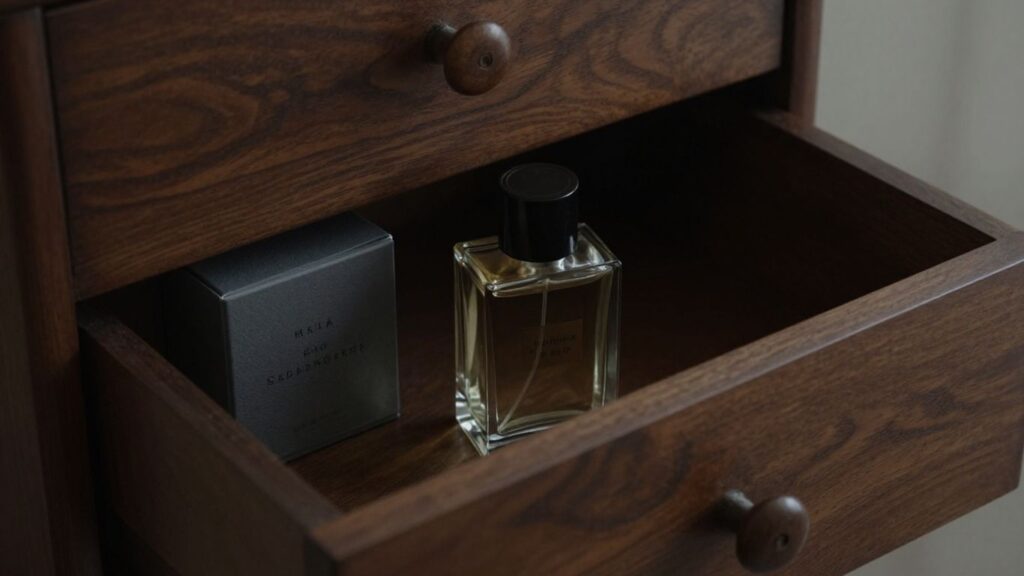
Storing fragrance away from heat and sunlight
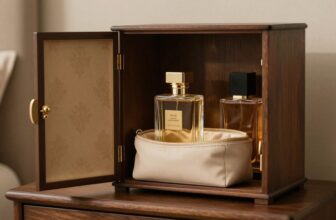
Keep perfume in a cool, dark place with a relatively stable temperature. A bedroom drawer, closet shelf, or original box is often more suitable than a sunny display table. Direct light and heat can gradually affect the color and aroma of the formula.
Avoid placing the bottle beside a radiator, on a windowsill, or in a car. If you keep a collection, leave enough space around each bottle so it does not get knocked over or warmed by nearby electronics. The attractive bottle is not always the best storage container in plain view.
Why bathrooms are poor storage locations
Bathrooms experience repeated swings in temperature and humidity from showers, baths, and ventilation. Those changes can be harder on fragrance than a consistently cool room. A bathroom cabinet may seem convenient, but convenience does not make it a stable environment.
Move bottles to a dry room if you can. If the bathroom is your only option, choose the coolest, darkest cabinet away from the shower and keep the bottle tightly closed. Even a small improvement in placement is better than leaving it beside a steamy sink.
Keeping the bottle sealed between uses
Replace the cap after every application and avoid leaving the atomizer exposed. The cap helps protect the nozzle and reduces unnecessary contact with air. Handle the bottle with clean, dry hands so residue does not build up around the closure.
Try not to decant a large amount unless you need a travel size. Each transfer creates another opportunity for air exposure or contamination. A small atomizer for short trips is sensible, but keep the main bottle sealed and stationary at home.
Recognizing when a perfume has oxidized
Oxidation can change a perfume’s color, opening, and overall balance. You may notice a sharper, sourer, flatter, or unusually stale smell, especially compared with how the fragrance smelled when new. A darker color alone is not definitive, since some formulas naturally deepen over time.
Compare the current scent with a memory or sample if possible, and inspect the bottle for leakage or a damaged seal. If the fragrance smells unpleasant or irritates your skin, stop using it. Proper storage can slow change, but no bottle remains completely unchanged forever.
Refresh your fragrance throughout the day
Reapplication works best when it is deliberate and proportionate to the setting. You may notice your fragrance less because your nose has adapted, not because it has disappeared entirely. Pause, check the scent on fabric or skin, and consider who is around you before adding more.
How to reapply without overwhelming others
Use a smaller amount for a refresh than you used at the beginning of the day. One light spray on a pulse point may be enough, particularly in an enclosed room. If you can still detect the fragrance clearly on your clothing, wait rather than layering more on top.
Step outside or into a private space before reapplying when possible. Avoid spraying directly around other people, in shared elevators, or near food. Courtesy is part of good fragrance etiquette, and a quiet scent trail is usually more pleasant than a heavy cloud.
Carrying perfume safely when traveling
Travel can expose perfume to heat, movement, and accidental pressure. Place a small amount in a secure, leak-resistant container and keep it inside a protective pouch. Avoid leaving it in checked luggage or a hot vehicle for long periods when you have another option.
For air travel, follow the current liquid rules for your departure location and keep the container accessible if screening requires it. Pack the bottle upright and separate from items that could break the atomizer. A little preparation prevents both spills and wasted fragrance.
Using a travel atomizer correctly
Fill a travel atomizer according to its design and avoid forcing liquid into a valve that is not made for refilling. Check the seal by keeping it upright in a small bag for a few hours before taking it out. Clean or replace the atomizer if the scent inside begins to smell different from the original bottle.
Only carry the amount you expect to use. A compact atomizer is easier to protect and more convenient for a midday refresh than a full glass bottle. Keep it away from direct sun in your bag, especially during warm commutes.
Adjusting reapplication for work, events, and evenings
Your setting should guide both timing and quantity. Workplaces and public transport call for restraint, while an outdoor gathering gives fragrance more room to disperse. For an evening event, you can refresh after washing your hands or changing clothes, but you still do not need to start from zero.
A practical routine is to reapply once before a long event only if the original scent has genuinely faded. For a quiet workday, carry a small atomizer but use it sparingly. If you are deciding what to buy for a fragrance routine, Promo Deals can make it easier to find offers in one place, but choose based on fit and quality rather than the discount alone.
Conclusion
To make luxury perfume last longer, begin with the formula and your skin, then refine the way you apply, layer, store, and refresh it. A moisturized base, measured sprays, sensible storage, and attention to your surroundings will usually produce a more consistent result than simply using more perfume. Give each fragrance time to develop, and let your own experience guide the routine.
Frequently Asked Questions
Does perfume last longer on moisturized skin?
Usually, yes. A fragrance often remains noticeable for longer on comfortable, moisturized skin because the surface gives it more to cling to. Use an unscented or compatible lotion so the moisturizer does not compete with the perfume.
Which perfume concentration lasts the longest?
Parfum and eau de parfum often contain more aromatic material than eau de toilette or eau de cologne, but labeling varies by formula and brand. Your skin, the notes, climate, and activity also affect how long you notice the fragrance.
Should you rub your wrists together after spraying perfume?
It is better to let the perfume dry naturally. Rubbing can spread the fragrance unevenly and may change how the opening develops. Spray lightly, then leave the area undisturbed for a few moments.
Is it better to spray perfume on skin or clothes?
Skin is generally the best place to experience the fragrance’s intended development. Clothing can hold scent for longer, but some formulas may mark fabric. If you spray clothing, use a light mist and test the material first.
How should perfume be stored at home?
Keep it in a cool, dark, dry place with a stable temperature. A drawer, closet, or original box is usually better than a sunny shelf or humid bathroom. Replace the cap after each use.
Can you layer two perfumes together?
Yes, provided the fragrances complement each other and you use small amounts. Test the combination on a limited area first and wait for the dry-down. If the scents compete or become overpowering, wear them separately.
How often should you reapply perfume?
Reapply only when the fragrance has genuinely faded and adjust the amount to your setting. One light spray may be enough for a refresh. Shared indoor spaces usually call for less than outdoor events or evening occasions.