
Key Takeaways
Protein powder begins with a food source, then passes through filtration, drying, flavoring, testing, and packaging before it reaches your shaker.
- Whey and casein come from milk, while plant powders may use peas, soy, rice, hemp, or other crops.
- Filtration and separation increase the protein concentration and remove some fats, sugars, lactose, or other components.
- Spray drying turns a concentrated liquid into the familiar fine powder.
- Labels can reveal the protein source, processing style, serving size, and added ingredients.
- Choosing well means matching the powder to your diet, digestion, taste preferences, and practical needs.
- Understanding Protein: The Building Blocks of Life
- The Raw Ingredients: Where Does Protein Powder Begin?
- The Manufacturing Process: Turning Raw Materials into Powder
- Quality Control and Packaging: Ensuring Safety and Freshness
- Different Types of Protein Powder: Choosing the Right One for You
- The Journey's End: Your Protein Powder Ready for Consumption
- Conclusion
- Frequently Asked Questions
Understanding Protein: The Building Blocks of Life
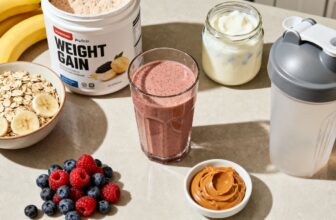
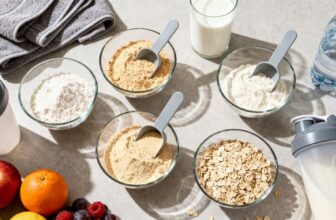
Protein is a nutrient made from amino acids, which the body uses to build and repair tissues and to support many everyday functions. Dietary protein comes from foods such as dairy, eggs, meat, legumes, grains, nuts, and seeds. A protein powder is simply a concentrated, convenient form of protein made from one or more of those sources.
The source matters because proteins differ in their amino acid profiles, digestion rates, texture, and tolerance. Milk-based proteins contain all nine essential amino acids, while some plant proteins may be combined or processed to provide a broader balance. That does not make one category automatically best; it makes the label and the intended use worth examining.
For shoppers researching why the process matters, the central idea is straightforward: the finished scoop reflects every stage before it. The original ingredient, the degree of filtration, drying conditions, and added flavorings all influence what ends up in the tub. The ingredient list matters because a high protein number does not tell the whole story.
The Raw Ingredients: Where Does Protein Powder Begin?
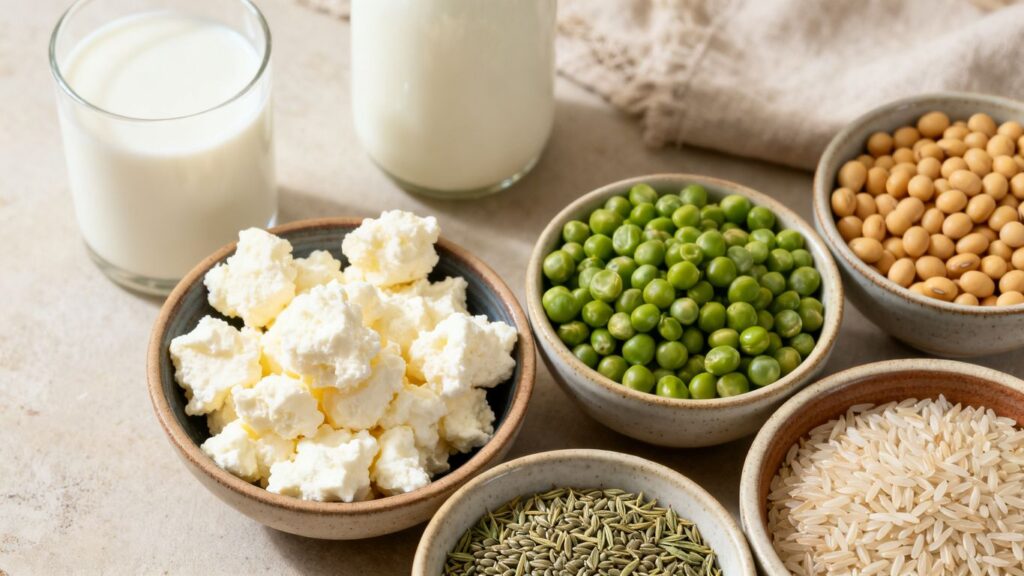
The journey starts with a raw material that contains useful protein in a form manufacturers can concentrate. Dairy powders begin with milk, while plant-based products begin with crops such as peas, soy, rice, or hemp. Before processing, manufacturers assess the incoming material for quality and suitability.
Whey Protein: A Dairy-Derived Powerhouse
Whey is the liquid left after milk is used to make cheese. When the milk components separate, the solid curds move toward cheese production and the remaining liquid whey becomes the starting material for many whey powders. It is then filtered and concentrated before being dried.
The familiar labels whey concentrate and whey isolate describe different levels of processing. Concentrate generally retains more of the original milk components, while isolate undergoes additional filtering to produce a higher protein concentration. A useful whey protein guide can help readers compare concentrate, isolate, and hydrolysate terminology on a label.
Casein Protein: The Slow-Digesting Cousin
Casein is another milk-derived protein, but it behaves differently from whey during digestion. It forms a thicker structure in the stomach and is commonly associated with a slower release of amino acids. That characteristic is one reason some people prefer it at times when they want a more gradual protein source.
Casein begins with the milk solids separated during dairy processing rather than the liquid whey stream. It may be filtered, concentrated, dried, and blended with flavoring just as other powders are. Because it remains dairy-based, people with milk allergies or significant lactose sensitivity should read the label carefully and consider professional dietary guidance.
Plant-Based Proteins: For Vegans and the Lactose Intolerant
Plant-based powders use protein-rich crops, with peas, soy, rice, and hemp among the common options. The crop is cleaned and milled, then its protein is separated from much of the starch, fiber, and other plant material. The result can be sold alone or combined with another plant protein to create a different amino acid balance and texture.
Plant powders vary noticeably in flavor and mouthfeel. Pea protein can be creamy but earthy, rice protein may feel dry, and soy has a distinct taste that some blends soften with flavoring. Readers comparing plant-based protein options should check both the protein source and the rest of the formula, including sweeteners, thickeners, and allergen statements.
The Manufacturing Process: Turning Raw Materials into Powder
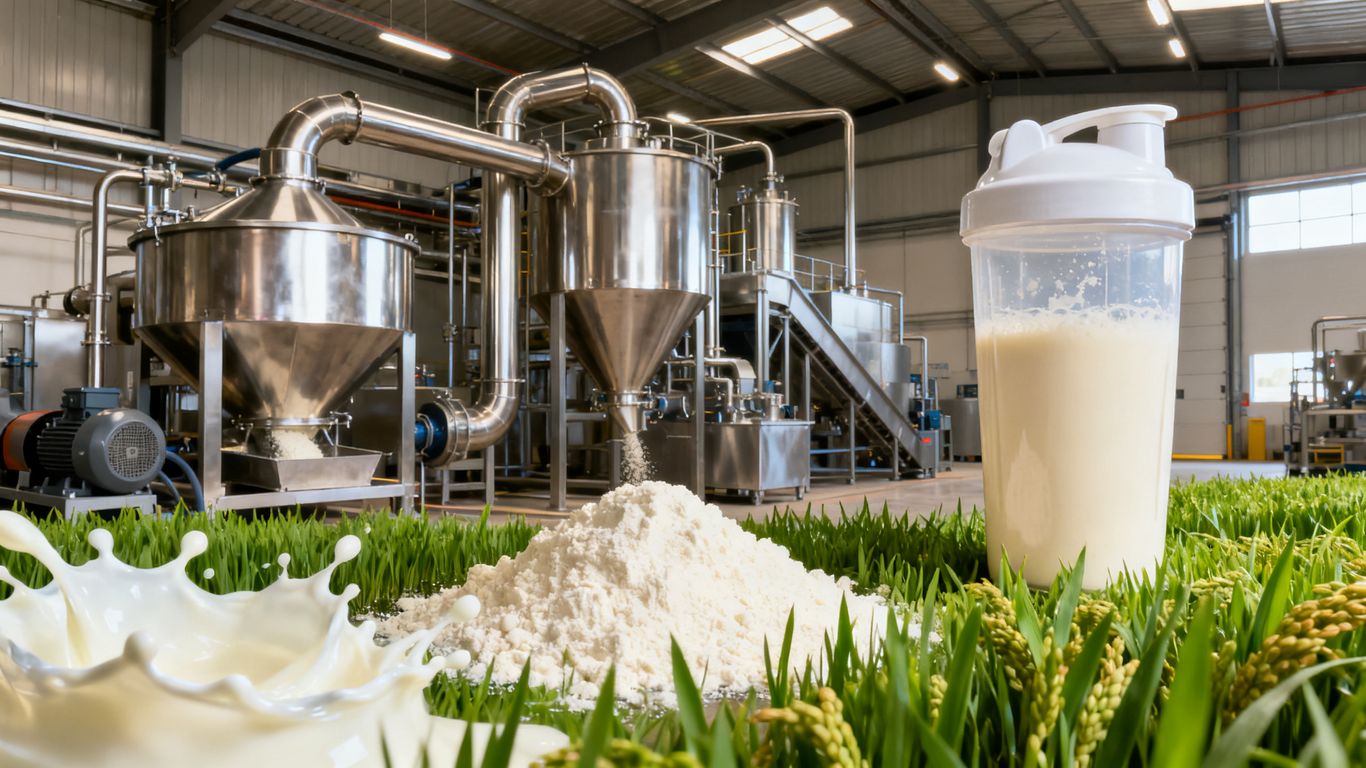
Once the source arrives at a processing facility, the goal is to separate useful protein from the rest of the raw material without losing the qualities that make the powder practical. The exact sequence differs between dairy and plant ingredients, but the broad stages are similar. Liquid streams are concentrated, dried, milled, tested, and prepared for blending.
The process is less like mixing a simple drink and more like carefully changing the form of a food ingredient. Temperature, moisture, particle size, and filtration all affect how the finished powder dissolves and tastes. A step-by-step account of protein powder production offers a helpful companion view of that journey.
Extraction and Separation: Isolating the Protein
Extraction separates protein from the surrounding material. In whey processing, filtration can remove or reduce fats, lactose, and other components while increasing the protein concentration. In plant processing, milling and separation help divide protein from starch, fiber, and other parts of the crop.
Manufacturers may use several filtration stages, depending on the desired final product. The more extensively a powder is filtered, the more its nutrition panel and texture may differ from the original concentrate. Still, a label should be read as a description of that particular formula, not as a promise that every powder with the same category name was made identically.
Drying and Milling: Creating the Fine Powder
After separation, the protein is often present as a concentrated liquid or damp material. Spray drying removes water by dispersing the liquid into warm air, leaving small particles that can be collected as powder. Further milling and screening help create a consistent texture and remove oversized clumps.
Particle size affects how quickly a scoop blends into water, milk, or a smoothie. Powders may also include ingredients that improve flow or reduce clumping, especially when they must sit on a shelf for months. The final goal is a stable dry ingredient that can be measured, transported, and mixed at home.
Flavoring and Fortification: Enhancing Taste and Nutrition
Plain protein powder can have a strong dairy, earthy, or grain-like taste, so manufacturers may add flavors and sweeteners. Some products also include vitamins, minerals, or other ingredients, although those additions differ widely between formulas. The serving panel and ingredient list provide the clearest account of what has been added.
This is a useful point for comparing products rather than judging them by protein content alone. A simple unflavored powder may suit someone who blends it into oatmeal, while a flavored product may be easier to use after exercise. Protein powder label details can also clarify whether a product is a concentrate, isolate, or hydrolysate.
Quality Control and Packaging: Ensuring Safety and Freshness
Quality control runs alongside the manufacturing process, not just at the final scoop. Facilities may check incoming ingredients, monitor processing conditions, and test finished batches for identity, composition, moisture, and potential contamination. The precise checks depend on the ingredient and the manufacturer, but the purpose is consistent: confirm that the product matches its label and is suitable for distribution.
Packaging protects the powder from moisture, air, light, and handling. A sealed tub or pouch is filled with the measured product, closed, labeled with batch and date information, and prepared for shipment. Once opened, storage in a cool, dry place and keeping the container tightly closed can help preserve texture and flavor.
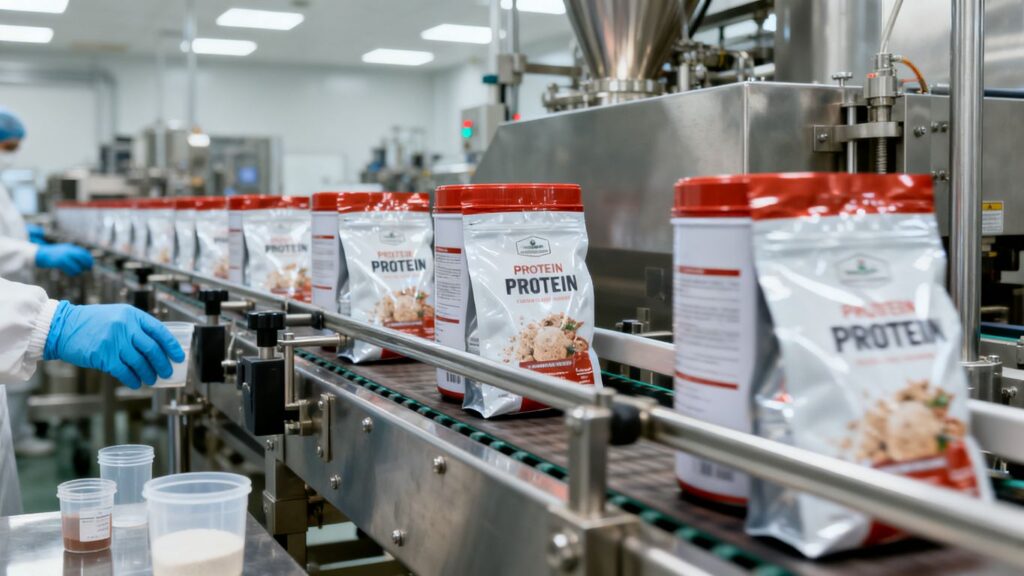
For practical shopping guidance, Just Picked provides reviews and buying advice alongside product information. That kind of comparison is especially useful when two powders appear similar but differ in sweeteners, allergens, serving size, or added calories. Consumers should also remember that supplements can cause digestive discomfort for some people, and food sources may be preferable in certain diets; protein powder safety concerns are worth reviewing before making a routine purchase.
Different Types of Protein Powder: Choosing the Right One for You
There is no single best protein powder for every person. Whey is popular for its dairy origin and familiar mixing qualities, casein is often chosen for its slower digestion, and plant powders offer options for vegan diets or people avoiding dairy. Egg-based powders and blended formulas add still more variety.
A sensible choice starts with personal constraints. Milk allergies, lactose sensitivity, vegan preferences, training habits, taste, budget, and the number of ingredients someone wants to consume can all change the answer. Just Picked offers buying advice and deals, but the useful comparison begins with understanding what the product actually contains.
| Protein type | Typical source | What to check |
|---|---|---|
| Whey concentrate | Milk-derived whey | Protein percentage, lactose, and added ingredients |
| Whey isolate | More extensively filtered whey | Price, dairy status, and flavoring |
| Casein | Milk solids | Dairy tolerance and thicker texture |
| Pea or soy | Plant crops | Allergens, blend composition, and taste |
A table can narrow the field, but it cannot replace reading the package. Serving size, grams of protein, added sugar, and allergen information often matter more than a product’s front label. For a broader look at protein powder types, compare the source first, then consider how the powder fits the way you will actually use it.
The Journey’s End: Your Protein Powder Ready for Consumption
By the time protein powder reaches a kitchen cupboard, it has traveled from a farm crop or dairy stream through a series of controlled transformations. The raw ingredient has been separated, concentrated, dried, milled, blended, checked, and sealed. What looks like a simple scoop is the final form of a food-processing chain.
At home, use the serving guidance on the package and pay attention to how the powder fits into the rest of the day’s diet. Water makes the flavor and texture easiest to judge, while milk or a smoothie can add richness and other nutrients. Starting with a smaller amount can also help someone assess taste and digestion before making it a regular purchase.
Just Picked helps readers sort through reviews, news, and buying advice when they are comparing products. The most reliable decision is still a personal one: choose a source you tolerate, a flavor you will use, and a formula whose ingredient list matches your priorities. Understanding how protein powder is made makes that decision a little less mysterious.
Conclusion
Protein powder is made by taking protein from dairy or plant sources, separating and concentrating it, drying it into a stable powder, and then flavoring, testing, and packaging the result. Knowing those stages makes labels easier to interpret and helps turn a crowded shelf into a more manageable choice.
Frequently Asked Questions
What is protein powder made from?
It can be made from milk-derived whey or casein, eggs, or plant sources such as peas, soy, rice, and hemp. The source appears on the product label.
How is whey turned into powder?
Whey is collected as the liquid portion left after cheese production. It is filtered and concentrated, then spray dried to remove water and create a fine powder.
Is casein processed the same way as whey?
The broad stages are similar, but casein comes from milk solids while whey comes from the liquid portion. Their different structures also affect digestion and texture.
How are plant proteins extracted?
Crops are cleaned and milled, then protein is separated from much of the starch, fiber, and other plant material. The concentrate is dried and may be blended with other plant proteins.
What does protein isolate mean?
Isolate generally indicates that the ingredient has gone through additional filtration to raise its protein concentration and reduce some other components. Exact nutrition varies by product.
Why do protein powders contain sweeteners and flavors?
Unflavored protein can have a strong dairy, earthy, or grain-like taste. Flavors and sweeteners make it easier to drink, while other additions may affect texture or nutrition.
How should protein powder be stored?
Keep it sealed in a cool, dry place away from moisture and heat. Follow the package directions and use the product within the stated freshness period.