

Key Takeaways
Protein powder can be a practical way to add protein to an otherwise balanced diet, but it is not essential for everyone. Its value depends on your nutritional needs, the product you choose, and how you use it.
- Protein supports muscle repair, tissue maintenance, and many everyday body functions.
- A protein-rich snack or shake may help some people feel satisfied between meals.
- Whey, casein, and plant-based powders differ in digestion, ingredients, and dietary fit.
- Protein powder works best as a supplement to nutritious foods, not a replacement for them.
- Checking the label, serving size, allergens, and independent testing can make purchasing safer.
Understanding Protein Powder: What It Is and Why It Matters
Protein powder is a dietary supplement made by extracting protein from sources such as milk, eggs, peas, rice, or soy. During processing, some naturally occurring fat, carbohydrates, minerals, and fiber may be removed, while sweeteners or other added ingredients can be included. The result is a concentrated ingredient that can be mixed into water, milk, smoothies, oatmeal, or other foods.
Protein itself supplies amino acids, which the body uses to build and maintain muscles, bones, skin, organs, enzymes, and antibodies. That broad role explains why protein matters beyond exercise. Still, a powder is simply one delivery method; foods such as yogurt, eggs, beans, fish, poultry, tofu, and lentils can also contribute meaningfully to daily intake.
The answer to “What are the primary health benefits of consuming protein powder?” depends partly on what is missing from a person’s usual diet. Someone with a busy schedule, higher protein needs, limited appetite, or certain dietary preferences may find it useful, while another person may already get enough from meals. A balanced look at protein supplementation’s potential trade-offs is worthwhile before treating any supplement as a routine necessity.
The Core Health Benefits of Protein Powder
Protein powder can support several health goals when it fills a genuine nutritional gap. The benefits are not magic effects from the powder itself; they come from adding protein to an overall eating pattern that also includes adequate calories, fiber, vitamins, minerals, and fluids.

Muscle Growth and Repair: Fueling Your Gains
Muscles need amino acids to repair after activity and to adapt to resistance training. A protein shake can make it easier to consume enough protein around a workout, though training, total food intake, sleep, and consistency still matter. Whey is particularly popular because it is a complete protein and is generally digested quickly; readers can explore whey protein’s researched benefits for a closer look at that category.
Weight Management: Feeling Fuller for Longer
Protein is often more satisfying than a snack built mostly from refined carbohydrates, so a shake may help some people stay comfortable between meals. This can be useful when it replaces a less nourishing convenience food, but adding a large shake on top of an already adequate diet may increase total calories instead. The practical question is whether the serving supports your eating pattern rather than quietly working against it.
Bone Health: A Strong Foundation
Adequate protein contributes to the maintenance of tissues throughout the body, including the structures that support movement. Bone health, however, depends on more than protein: calcium, vitamin D, resistance exercise, age, hormones, and overall diet also play roles. A powder should therefore be viewed as one possible contributor to a well-rounded eating pattern, not as a stand-alone bone supplement.
Immune System Support: Building Your Defenses
The body uses amino acids in the production and maintenance of immune-related cells and antibodies. Getting too little protein can make it harder to meet ordinary repair and maintenance demands, while consuming more than you need does not automatically make your immune system stronger. A varied diet remains the better foundation, as outlined in this guide to protein and immune health.
Convenience and Accessibility: Protein On-the-Go
The clearest advantage for many people is practical: powder is portable, shelf-stable, and quick to prepare. That can help someone assemble breakfast after an early shift or a snack after exercise without cooking a full meal. A simple routine is more useful than an elaborate one, especially when the product has a reasonable ingredient list and fits the person’s dietary needs.
A shake is easiest to use when it complements real meals rather than replacing them by default. Pairing it with fruit, oats, yogurt, or a meal containing vegetables can make the overall choice more satisfying and nutritionally complete.
Different Types of Protein Powder and Their Unique Advantages
Protein powders vary by source, processing, texture, flavor, and rate of digestion. No single type is best for every person. The right choice usually comes down to dietary restrictions, tolerance, budget, taste, and whether the powder is being used with a meal or on its own.
Whey Protein: The Popular All-Rounder
Whey comes from milk and is commonly used because it provides all nine essential amino acids and is readily digested. It can be a convenient option for people who tolerate dairy and want a straightforward protein source after exercise or between meals. Whey concentrate, isolate, and hydrolysate can differ in processing and protein concentration, so the nutrition panel matters more than the front-label promise.
Casein Protein: The Slow and Steady Option
Casein is another milk-derived protein, but it generally digests more slowly than whey. Some people prefer it in a snack that needs to feel more substantial, while others simply choose it for its texture or flavor. It still contains dairy, so anyone with a milk allergy should avoid it, and people with lactose sensitivity should check the specific product rather than assume all powders affect them equally.
Plant-Based Proteins: For Vegans and Vegetarians
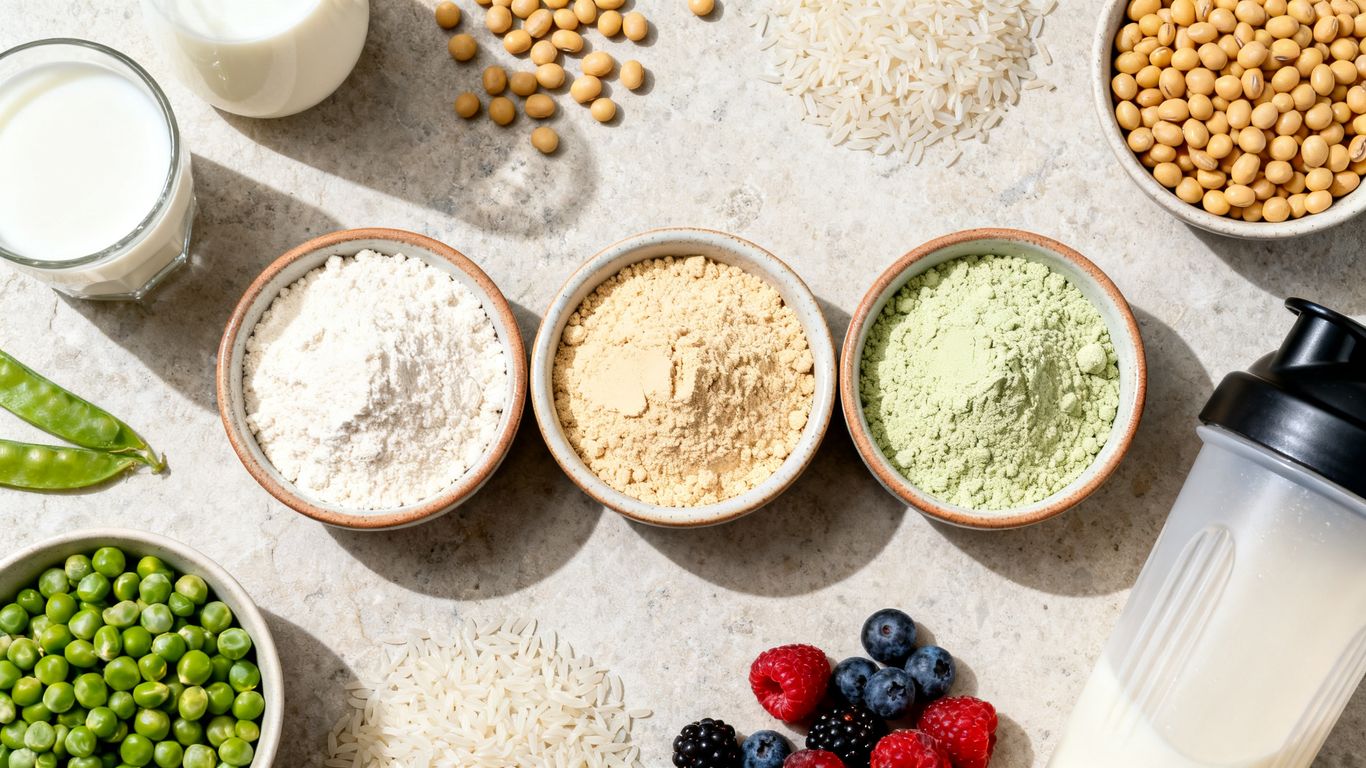
Plant-based powders may be made from peas, rice, soy, or other sources, making them useful for vegan diets, vegetarian diets, or people who prefer to limit dairy. Their flavor and texture can vary considerably, and some blends combine sources to provide a broader amino-acid profile. Comparing protein per serving, added sugar, sodium, allergens, and third-party testing is more helpful than choosing by the word “plant” alone.
Incorporating Protein Powder into Your Diet Safely and Effectively
Start with your usual meals and estimate where a protein gap actually appears. A registered dietitian or clinician can help if you have kidney disease, liver disease, digestive conditions, pregnancy-related nutrition needs, or a medically prescribed diet. For many healthy adults, the sensible approach is to use a serving that fits the product label and the rest of the day’s food rather than chasing the highest possible intake.
A label deserves a close read. Look at the serving size, grams of protein, calories, added sugars, sweeteners, allergens, and any stimulants or herbal ingredients. Since supplements are not regulated exactly like foods or medicines, independent certification may offer an additional layer of reassurance, but it does not make a product necessary or suitable for every person.
A short checklist can keep the decision grounded in your actual routine:
- Choose a source that fits your allergies and dietary preferences.
- Compare protein and calorie amounts per serving, not just container size.
- Prefer a flavor and texture you are likely to use consistently.
- Check whether added sugars, sodium, or extras suit your health goals.
After choosing, pay attention to how your body responds and how the powder affects your meals. Mix it into a smoothie, stir it into oatmeal, or use it as an occasional snack, but keep whole foods in the rotation for fiber and a wider range of nutrients. If it causes digestive discomfort or crowds out regular meals, reduce the serving, change the product, or stop and seek professional advice.
Conclusion
Protein powder can be a useful, convenient supplement for muscle repair, satiety, and meeting daily protein needs, but its benefits depend on context. Choose a type that suits your body and diet, read the label carefully, and let balanced meals—not the scoop alone—do most of the nutritional work.
Frequently Asked Questions
Is protein powder necessary for good health?
No. Many people can meet their protein needs through ordinary foods, while powder is mainly useful for convenience or a specific nutritional gap.
Can protein powder help build muscle?
It can provide amino acids needed for muscle repair and growth, especially when paired with resistance training and adequate overall nutrition.
Does protein powder help with weight loss?
It may help some people feel fuller or replace a less nutritious snack, but it can also add calories if consumed on top of regular meals.
Which protein powder is easiest to digest?
Digestibility varies by person. Whey is often quickly digested, while casein is slower; plant-based options may suit people who avoid dairy but can differ in texture and tolerance.
Can I use protein powder every day?
Some people can use it daily as part of a balanced diet, but the appropriate amount depends on total protein intake, health status, calorie needs, and the product’s ingredients.
What should I check on a protein powder label?
Review protein per serving, calories, added sugar, sodium, allergens, ingredients, serving size, and any independent testing or certification.
Are protein powders safe for everyone?
No supplement is right for everyone. People with allergies, medical conditions, pregnancy-related concerns, or prescribed diets should ask a qualified healthcare professional before using one regularly.