

Key Takeaways
A refrigerator is a long-term household purchase, so a little planning can prevent expensive frustration. Measure first, compare running costs, and judge features by how you actually use your kitchen.
- Measure the opening, delivery route, door swing, and ventilation space before shopping.
- Compare usable capacity and layout rather than relying only on exterior dimensions.
- Read energy labels and estimate electricity costs over several years.
- Pay for features that solve a daily problem, not those that merely look impressive.
- Check the complete price, delivery terms, warranty, and return policy before buying.
- Start with the right refrigerator size and layout
- Avoid overlooking energy use and operating costs
- Choose features that match how you use your kitchen
- Look beyond appearance and compare performance
- Understand installation, delivery, and ownership requirements
- Compare the total price before making a decision
- Make the final purchase with fewer regrets
- Conclusion
- Frequently Asked Questions
- How far in advance should you measure for a refrigerator?
- Is a larger refrigerator always the better choice?
- Are French-door refrigerators worth the extra cost?
- How can you estimate a refrigerator’s running cost?
- Do you need a water line for an ice maker?
- What should you check when the refrigerator arrives?
- When is the best time to buy a refrigerator?
Start with the right refrigerator size and layout
The most common mistakes To Avoid When Buying A Refrigerator begin before you compare finishes or features. A refrigerator that cannot pass through your home or open properly is the wrong purchase, even if the price is excellent. Start with the room, your household routine, and the path the appliance must take. A useful product buying guide can also help you separate genuine needs from attractive extras.
Measuring the installation space accurately
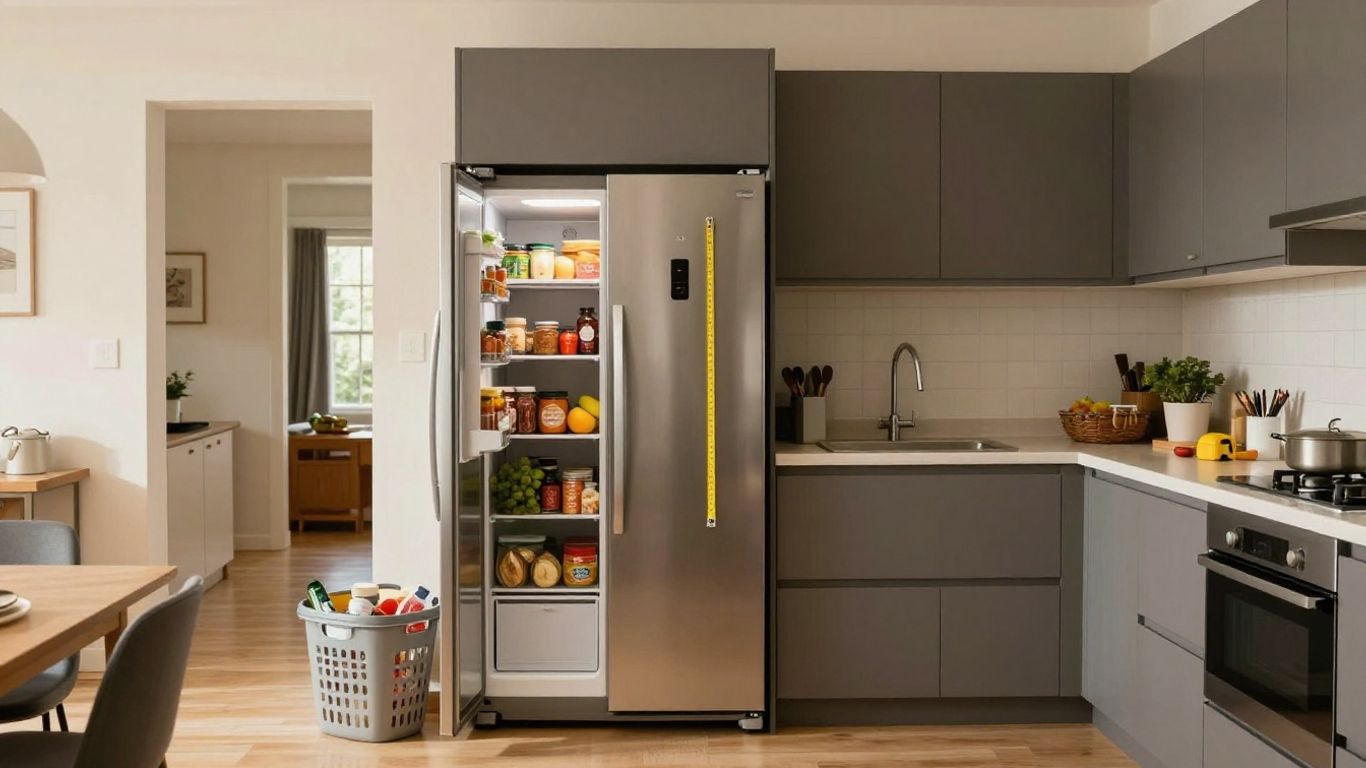
Measure the height, width, and depth of the opening, then check whether counters, cabinets, baseboards, or trim reduce the usable space. Measure at several points because walls are not always perfectly square. Record the dimensions in inches and keep them with your shopping notes so a sale price does not distract you from fit.
Accounting for door clearance and ventilation
A refrigerator needs more than a footprint. Open the doors as far as the manufacturer requires and check that drawers can slide out without hitting an island or wall. Leave the specified ventilation clearance around the cabinet, since squeezing the appliance into a tight opening can complicate installation and operation.
Choosing the right capacity for your household
Capacity should reflect the way you shop, not an imagined version of your household. A couple who buys fresh food several times a week may need less space than a smaller family that shops in bulk. Consider freezer use, entertaining, packed lunches, and the size of the containers you regularly store. Usable storage matters most when shelves and drawers consume part of the advertised volume.
Comparing top-freezer, bottom-freezer, French-door, and side-by-side designs
Each layout changes the way you reach everyday food. Top-freezer models usually put the refrigerator compartment lower, while bottom-freezer designs make fresh food easier to reach. French-door models can offer a wide refrigerator area with a lower freezer, whereas side-by-side designs place chilled and frozen storage in vertical sections. Compare shelf width, drawer access, and the position of items you use most.
Avoid overlooking energy use and operating costs
A refrigerator runs throughout the year, so its purchase price is only one part of the cost. Energy labels give you a starting point, but you still need to consider your electricity rate and expected usage. A model with a modestly higher upfront price may make sense if its estimated consumption is meaningfully lower. Do not assume that a premium finish or a larger cabinet automatically delivers better value.
Understanding Energy Star ratings and annual energy consumption
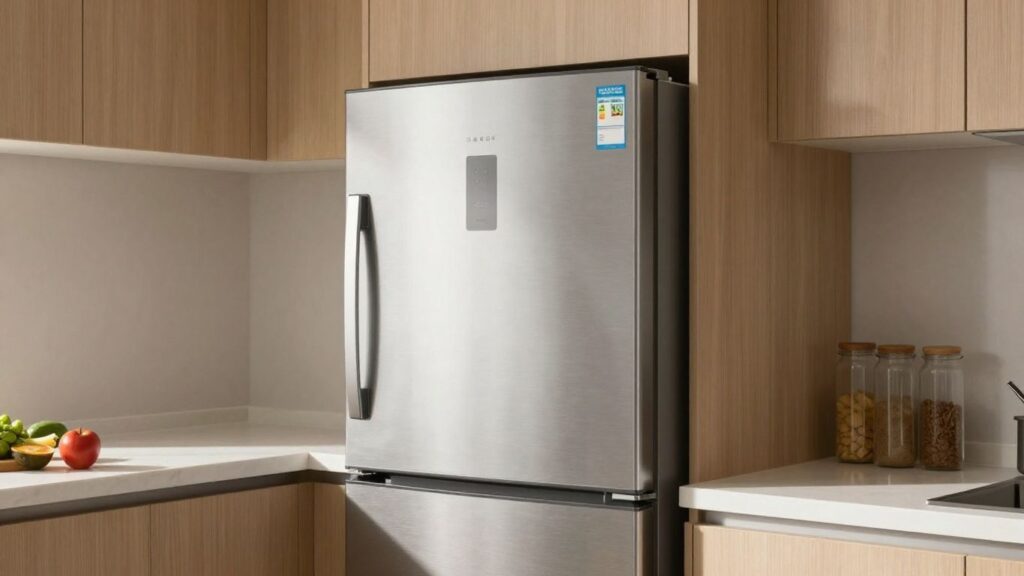
Look for the Energy Star label where applicable and read the estimated annual electricity consumption on the official label. Compare models of similar size and configuration rather than treating the rating as a complete buying decision. The annual figure is useful because it gives you a common basis for comparing appliances that may have very different features.
Estimating long-term electricity costs
Multiply the annual kilowatt-hour estimate by your electricity rate to create a simple yearly estimate. Then multiply that figure across the number of years you expect to keep the refrigerator, allowing for changing utility prices. This will not predict your exact bill, but it exposes the difference between a low sale price and a lower ownership cost.
Balancing efficiency with features and storage capacity
Efficiency should be considered alongside capacity, layout, and the features you will actually use. A smaller appliance that forces you to overcrowd shelves may not suit your routine, while an oversized model can consume more space and energy than necessary. Compare like with like, and do not pay for a larger cabinet simply because its headline capacity sounds impressive.
Checking energy-saving settings and operating modes
Read the manual or product specification for vacation mode, temperature controls, door alarms, and other operating settings. These options are only useful if they are easy to understand and fit your routine. Check whether special modes change temperature or dispenser behavior, and remember to return the refrigerator to its normal setting when you resume everyday use.
Choose features that match how you use your kitchen
Modern refrigerators can include dispensers, sensors, cameras, connected apps, specialty drawers, and many small adjustments. None of those features is automatically worth the extra cost. Think through the actions you repeat every day and identify which feature would make them easier. The goal is a refrigerator that supports your routine rather than one that turns the kitchen into a collection of unused options.

Deciding whether an ice maker and water dispenser are worthwhile
An ice maker or dispenser can be convenient if your household uses ice and chilled water often. It can also occupy interior space and add plumbing or maintenance requirements. Check whether the appliance needs a water connection, whether replacement filters are required, and whether the convenience justifies the lost storage and added ownership tasks.
Evaluating smart features and app connectivity
Connected features may help you monitor temperatures, receive alerts, or manage certain settings, but they should solve a problem you genuinely have. Before paying more, check the required app, account setup, wireless requirements, and privacy settings. If you rarely use phone controls for appliances, a simpler model may be more practical.
Assessing adjustable shelves, drawers, and door bins
Interior flexibility often matters more than a long feature list. Look for shelves that can accommodate tall bottles, drawers that move smoothly, and door bins that hold the items you buy most. Imagine loading your usual groceries rather than admiring an empty showroom interior. Small details become noticeable every day.
Avoiding features that add cost without practical value
Make two lists before shopping: essential features and pleasant extras. A practical feature should save time, improve access, or solve a recurring storage problem. If an option sounds appealing but you cannot describe when you would use it, leave it off the shortlist and put the money toward capacity, efficiency, or delivery.
Look beyond appearance and compare performance
A refrigerator is a working appliance, not just a large piece of furniture. Stainless finishes and sleek handles may influence your choice, but they tell you little about temperature stability, noise, or usable space. Read specifications alongside owner feedback, and pay attention to repeated patterns rather than one dramatic review. Good research makes it easier to distinguish a cosmetic preference from a performance requirement.
Checking temperature consistency and food preservation
Look for information about temperature controls, cooling zones, and the arrangement of vents. In reviews, note whether people repeatedly mention warm spots, frozen produce, or difficult controls. You cannot recreate laboratory testing in a store, but you can ask focused questions about how evenly the appliance keeps food chilled.
Evaluating noise levels in open-plan homes
Noise matters more when the kitchen shares space with a living room, bedroom, or home office. Check the listed decibel information when available and read reviews for descriptions of hums, clicks, or compressor cycling. Occasional sounds are normal, but persistent complaints may matter more than a small difference in exterior appearance.
Comparing interior organization and usable storage
Compare the width of shelves, height of door bins, depth of drawers, and amount of space blocked by ice systems or lighting. Two refrigerators with similar advertised capacity can feel very different in use. Bring a short list of your awkward items—large platters, gallon containers, tall bottles—and see where they would go.
Reviewing reliability ratings and customer feedback
Use reviews to look for recurring issues with drawers, seals, dispensers, controls, delivery damage, or service response. Give greater weight to detailed feedback from people with similar kitchens and buying needs. You can also use a reliability and review checklist to keep your comparison consistent instead of being swayed by the newest five-star comment.
Understand installation, delivery, and ownership requirements
A refrigerator purchase is not complete when you click the checkout button. Delivery access, water connections, removal, leveling, and warranty service can all affect the final experience. Confirm these details before you commit, especially if the appliance is unusually deep or the route to the kitchen includes stairs. A few phone calls can prevent a failed delivery or an unexpected installation charge.

Confirming delivery access through doors, hallways, and stairways
Measure the narrowest doorway, hallway, turn, and stair landing on the delivery route. Ask how the refrigerator will be packaged, moved, and positioned, and check whether doors or handles can be removed if necessary. A model that fits the kitchen opening may still fail at the front door or around a tight corner.
Checking electrical, plumbing, and water-line requirements
Verify the outlet location, voltage requirements, plug access, and whether an ice maker or dispenser requires a water line. Do not assume an existing connection is compatible or positioned correctly. If a professional installation is recommended, ask what the fee includes and whether any plumbing work falls outside the standard service.
Planning for old-appliance removal and installation fees
Ask whether delivery includes unboxing, leveling, connection, packaging removal, and haul-away of the old refrigerator. Some retailers charge separately for each service, while others restrict removal based on access or appliance condition. Put every fee in your comparison sheet before deciding which offer is cheapest.
Reviewing warranty coverage and service availability
Read the warranty for coverage length, exclusions, labor terms, and the process for making a claim. Check whether authorized service is available near you and whether replacement parts or filters are easy to obtain. A slightly lower price is less attractive if getting help requires long delays or complicated arrangements.
Compare the total price before making a decision
Sale labels can make two similar refrigerators look dramatically different in value. To compare fairly, add delivery, installation, water-line work, filters, accessories, taxes, and possible removal charges. Promo Deals brings offers, discounts, and price drops together in one place, which can make it easier to spot a genuine promotion, but you still need to confirm what each retailer includes.
Looking beyond the advertised sale price
Write down the appliance price and every required extra in separate columns. Include financing costs if you will not pay the balance immediately, along with recurring filter or accessory expenses. This simple approach prevents a discount from hiding a service fee that changes the final total.
Calculating the cost of accessories and required upgrades
Some purchases need a water-line kit, replacement filter, mounting hardware, or a particular electrical adjustment. Check the product documentation and installation terms before assuming those items are optional. If an accessory is required for a feature you want, treat it as part of the refrigerator’s price rather than a later surprise.
Comparing retailer policies, returns, and price matching
Read the return window, restocking rules, damage policy, and price-match conditions before ordering. Large appliances may have different terms from ordinary online purchases, especially after installation or connection. Save the product page, invoice, and delivery promises so you can refer to the same details if something goes wrong.
Timing the purchase around seasonal sales and promotions
Holiday events, clearance periods, and model-year changes can create useful opportunities, but a sale is not a reason to abandon your measurements or requirements. Promo Deals organizes promotional offers from across the internet, helping you monitor opportunities while keeping the decision tied to your shortlist. Compare the historical or neighboring prices you can find, and check whether the deal is limited to a specific finish or configuration.
Make the final purchase with fewer regrets
The final check should feel methodical, not rushed. Revisit your measurements, capacity needs, energy estimate, feature list, and total cost before submitting payment. If you found the deal through Promo Deals, use the retailer’s current product page to verify the exact offer and included services. A calm final review is often the difference between a smart discount and an expensive compromise.
Checking the model number and included features
Confirm the complete model number, finish, dimensions, capacity, hinge configuration, and included accessories. Similar-looking models can differ in dispenser type, shelf arrangement, energy consumption, or connectivity. Save a screenshot or copy of the specifications that convinced you to buy.
Inspecting the refrigerator at delivery
Inspect the packaging and cabinet for dents, scratches, crushed corners, or signs of mishandling before accepting delivery. Check the doors, handles, shelves, drawers, and seals, and photograph any problem immediately. Follow the retailer’s instructions for documenting damage rather than assuming it can be reported later.
Understanding return, warranty, and service terms
Keep the receipt, warranty documents, installation paperwork, and delivery record together. Confirm when the return period begins and whether a connected or plumbed appliance has special conditions. Know whom to contact for delivery damage, a product defect, and routine service; those may be different departments.
Avoiding impulse purchases based on style alone
A striking finish can make a refrigerator feel right before you have checked the practical details. Pause and ask whether it fits the space, stores your food, stays within the full budget, and offers features you will use. If the answer is unclear, leave the cart open and return after reviewing your notes.
Conclusion
The best refrigerator purchase is not necessarily the largest, newest, or most heavily discounted model. It is the one that fits your kitchen, matches your habits, costs what you expected to own, and comes with terms you understand. Measure carefully, compare patiently, and let practical value—not showroom excitement—make the final decision.
Frequently Asked Questions
How far in advance should you measure for a refrigerator?
Measure before you begin comparing models, including the installation opening, delivery path, door clearance, and ventilation space. Recheck the measurements against the exact model specification before ordering.
Is a larger refrigerator always the better choice?
No. More capacity can help with bulk shopping, but a larger model may cost more, use more space, and be harder to access. Choose capacity based on your shopping habits and household size.
Are French-door refrigerators worth the extra cost?
They can be worthwhile if you value wide refrigerator shelves and a convenient fresh-food layout. Compare the actual storage, freezer access, price, and features with other designs rather than assuming the style is automatically better.
How can you estimate a refrigerator’s running cost?
Use the annual kilowatt-hour estimate on the energy label and multiply it by your electricity rate. Multiply the yearly result by the number of years you expect to own the appliance for a rough long-term comparison.
Do you need a water line for an ice maker?
Many built-in ice makers and water dispensers require a water connection, but requirements vary by model. Check the installation documentation and confirm whether the line and labor are included.
What should you check when the refrigerator arrives?
Inspect the packaging, cabinet, doors, handles, shelves, drawers, and seals. Photograph damage, record it with the delivery team, and follow the retailer’s reporting procedure before installation or use.
When is the best time to buy a refrigerator?
Sales events, clearance periods, and model transitions can offer savings, but timing matters less than finding a suitable model at a transparent total price. Track the exact configuration and check the retailer’s terms before purchasing.