
Key Takeaways
The best espresso beans depend on your preferred flavor, roast style, and machine setup. A thoughtful choice, followed by small adjustments to grind and dose, can make home espresso much more satisfying.
- Arabica offers layered sweetness and acidity, while Robusta adds body and crema.
- Dark roasts suit traditional, chocolate-forward espresso drinks.
- Medium and light roasts can reveal brighter, more distinctive flavors.
- Single-origin coffees highlight provenance; blends focus on balance and consistency.
- Fresh whole beans and a properly adjusted grinder matter as much as the label.
- Understanding Espresso: What Makes It Unique?
- The Role of Bean Type in Espresso
- Roast Level: A Crucial Factor for Espresso
- Single Origin vs. Espresso Blends
- Tips for Choosing the Best Espresso Beans for Your Machine
- Conclusion
- Frequently Asked Questions
- Are espresso beans different from regular coffee beans?
- Is Arabica or Robusta better for espresso?
- What roast level is easiest for beginners?
- Can light roast coffee work in an espresso machine?
- Should espresso beans be bought whole or pre-ground?
- How fresh should espresso beans be?
- Why does my espresso taste bitter or sour?
Understanding Espresso: What Makes It Unique?
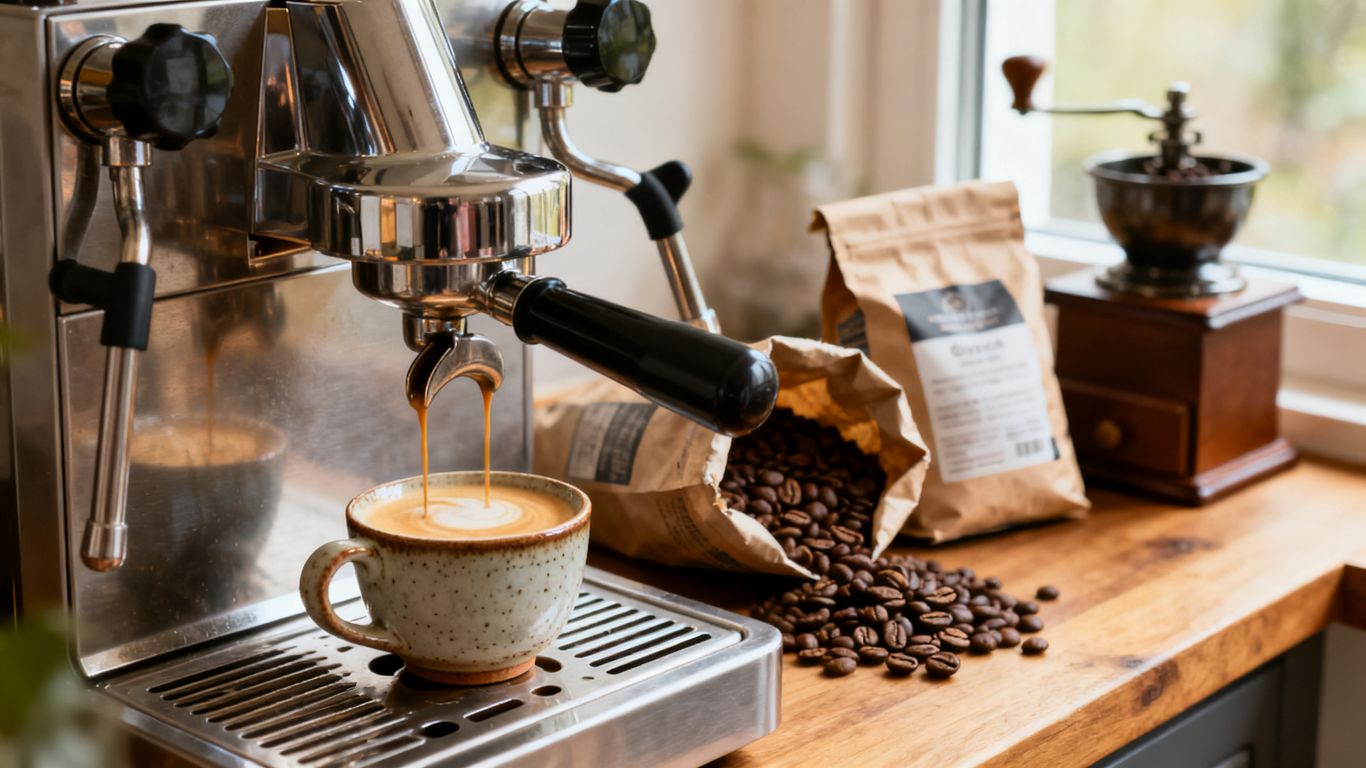
Espresso is a brewing method rather than a separate species of coffee bean. Finely ground coffee is brewed with pressure, producing a small, concentrated drink with a fuller texture than most filter coffee. The word on a bag may suggest a traditional flavor profile, but many different coffees can work well in an espresso machine.
The machine, grinder, water, and recipe all shape the result. A coffee that tastes soft and sweet as filter coffee may become intense when brewed as espresso, while a bright coffee can develop fruit-like acidity and a lighter body. For a useful overview of how tradition and modern preferences meet, this espresso brewing guide offers helpful context.
When deciding what kind of coffee beans are best for espresso machines, start with the cup you actually want to drink. Classic espresso often leans toward cocoa, nuts, caramel, and a substantial mouthfeel, but there is no rule that excludes floral or fruity notes. Just Picked publishes practical reviews and buying advice for readers comparing products, so the same principle applies here: match the choice to your taste and routine.
The Role of Bean Type in Espresso
Bean type affects the balance of sweetness, acidity, bitterness, body, and crema in the finished shot. Arabica and Robusta are the two main species found in commercial coffee, and they are often combined to create a particular profile. Neither is automatically best; the right choice depends on how you take your espresso.
Arabica Beans: The Flavorful Foundation
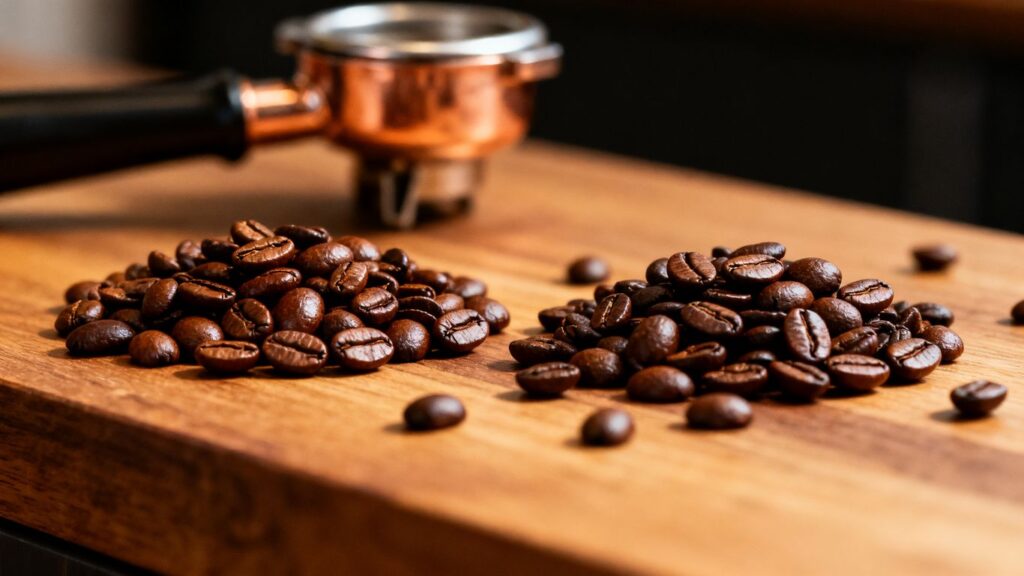
Arabica is often chosen for its nuanced flavor and aromatic range. Depending on its growing region and roast, it may bring notes of fruit, flowers, nuts, chocolate, or caramel to an espresso shot. It can make a clean, expressive drink for anyone who prefers complexity over sheer intensity.
Arabica can also be less forgiving when the grind or extraction time is off. If the shot runs too quickly, its acidity may seem sharp; if it runs too slowly, delicate flavors can become muted. Fresh beans and careful dialing-in help preserve its sweeter, more detailed character.
Robusta Beans: The Bold Backbone
Robusta generally contributes more weight, bitterness, and a firm finish. It is commonly used in espresso blends when the goal is a powerful shot that stands up to milk. Some drinkers also value the thick crema and pronounced presence it can add to a traditional-style cup.
A blend containing Robusta does not have to taste harsh. The proportion, roast level, freshness, and extraction recipe all matter. For shoppers comparing whole-bean options, a whole-bean espresso guide can provide a useful way to think about flavor, aroma, mouthfeel, and freshness together.
Roast Level: A Crucial Factor for Espresso
Roast level is one of the clearest signals of how a coffee may behave in the cup. Darker roasting tends to bring out heavier body and familiar chocolate or toasted notes, while lighter roasting can retain more of the bean’s original acidity and aromatic character. Medium roast sits between those two approaches and is often a practical starting point.
Dark Roasts: The Classic Espresso Choice
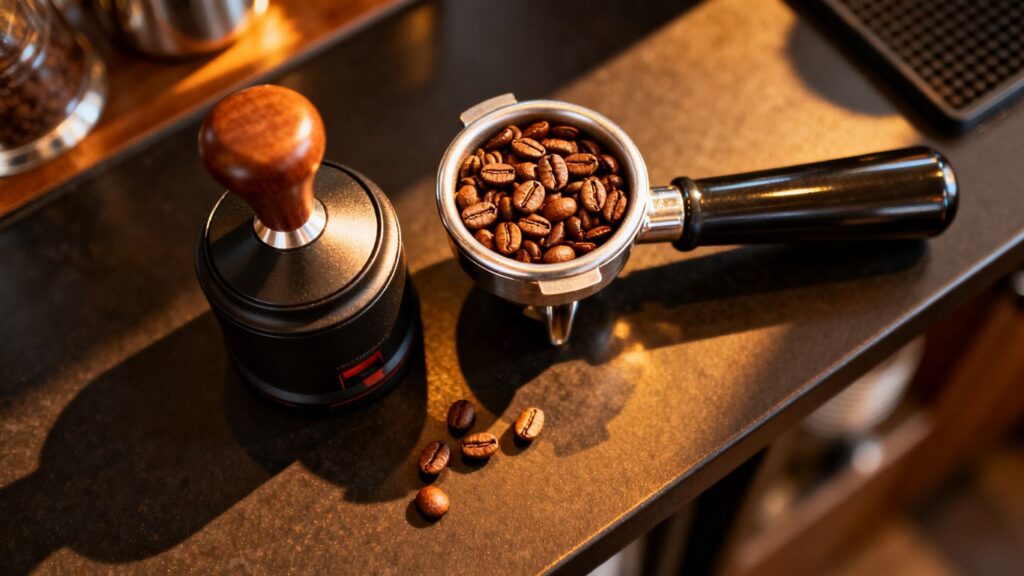
Dark roasts are associated with traditional espresso because they often produce a rich, forceful shot with notes of dark chocolate, toast, caramel, and smoke. Their lower perceived acidity can work especially well in cappuccinos and lattes, where the coffee needs enough presence to remain noticeable through the milk.
They can, however, taste bitter if brewed too hot, ground too finely, or extracted for too long. A slightly shorter recipe or a modestly lower temperature may help keep the cup rounded rather than burnt. Dark roast is a good fit for drinkers who want a familiar, full-bodied espresso profile.
Medium Roasts: A Balanced Approach
Medium roasts give espresso drinkers a middle ground between traditional richness and brighter, more transparent flavor. They may offer caramel sweetness, nuts, cocoa, or gentle fruit, with enough body for milk drinks but enough clarity for a straight shot. This flexibility makes them a sensible first choice when preferences are still developing.
The table below shows how roast level commonly changes the experience, while allowing for differences between coffees and roasters.
| Roast level | Common flavor direction | Typical body | Good starting use |
|---|---|---|---|
| Dark | Cocoa, toast, smoke | Heavy | Milk-based drinks |
| Medium | Caramel, nuts, chocolate | Medium | Straight shots or milk |
| Light | Fruit, flowers, citrus | Light to medium | Straight espresso |
These are broad tendencies rather than strict rules. If a medium roast tastes too sharp, a finer grind or slightly longer extraction may help; if it tastes flat, fresher beans or a faster shot may bring back definition.
Light Roasts: For the Adventurous Espresso Drinker
Light roasts preserve more of the coffee’s distinctive acidity and aromatic character. In espresso, that can mean flavors such as citrus, berries, stone fruit, tea, or flowers, along with a lighter body. They appeal to drinkers who enjoy a vivid, modern style rather than a dense, roasty cup.
Light beans can require more attention because they are often less soluble. The grinder may need a finer setting, and the machine may benefit from precise temperature control and a carefully measured recipe. When properly prepared, the result can be remarkably clear, but it may seem sour or thin when extraction is incomplete.
Single Origin vs. Espresso Blends
Origin and composition influence espresso in different ways. A single-origin coffee can make the character of one growing region or lot easier to notice, while a blend combines coffees to shape a more consistent flavor. Choosing between them is less about quality rankings and more about whether you value distinctiveness or balance.
Both styles can work in a home machine. Freshness, roast development, and the skill of the roaster usually matter more than the category printed on the front of the bag. Just Picked covers coffee reviews and buying guidance alongside other consumer products, which makes comparative thinking useful here: consider the whole specification, not one attractive tasting note.
Single Origin Espresso: Highlighting Unique Flavors
Single-origin espresso is a good option when you want to explore how origin affects the cup. One coffee may taste citrusy and floral, while another may lean toward berries, stone fruit, cocoa, or spice. These differences can make each new bag feel like a small change of direction in your daily routine.
The trade-off is that a single origin may change more noticeably from season to season, and some coffees are less forgiving in espresso than others. Buy a modest amount when trying an unfamiliar profile, then adjust the recipe rather than assuming the beans are unsuitable after one shot.
Espresso Blends: Crafting the Perfect Balance
Blends are designed by combining coffees with complementary qualities. One component may add sweetness, another body, and another acidity or aroma. The result is often a dependable cup that works across straight espresso, cappuccino, latte, and other milk-based drinks.
Blends are especially convenient when several people in a household prefer different drinks. A balanced blend can offer enough structure for milk without becoming overwhelming as a short shot. Look for a roast date, clear flavor information, and packaging that protects the beans from air, then judge the coffee by what comes through in your own machine.
Tips for Choosing the Best Espresso Beans for Your Machine
Your machine does not require a magical category called “espresso beans.” It requires coffee that can be ground finely and extracted evenly, plus a recipe suited to the equipment. Freshness matters more than labels when choosing between otherwise similar bags, so check the roast date whenever one is available.
Before buying, narrow the choice by considering a few practical details:
- Choose whole beans if you have a capable burr grinder and want to adjust grind size yourself.
- Pick a dark or medium roast for traditional chocolate and caramel notes.
- Try a light roast if you enjoy brighter acidity and are comfortable making careful adjustments.
- Consider a blend when consistency and milk drinks matter most.
- Buy a smaller bag first if the origin or flavor profile is unfamiliar.
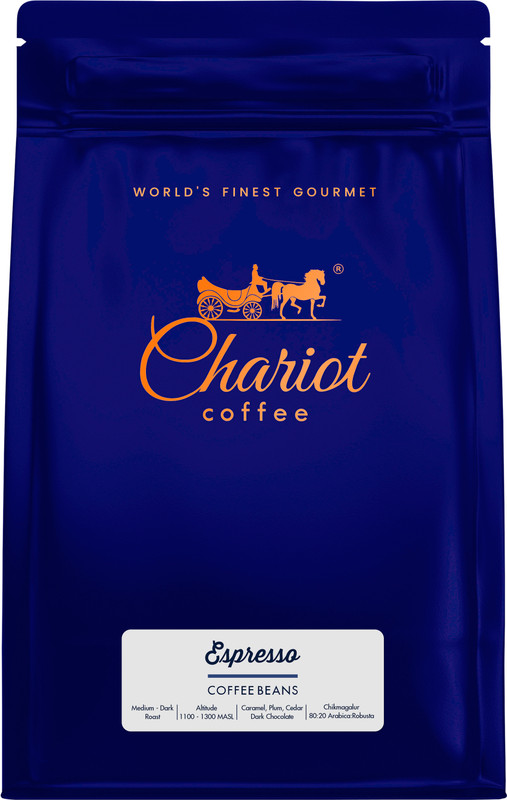
Chariot New york Espresso Coffee Beans Coffee Beans(250 g, Dark Chocolate, Caramel Flavoured)
 Flipkart
ESPRESSO BLEND COFFEE BEANS Flavor Notes - Roasted Nuts, Dark Chocolate, Cedar Roast Profile - Espresso Roast Altitude - 950 - 1700 MASL High Quality High Grown Single Estate Arabica and Specially washed Robusta Specially for Espresso.
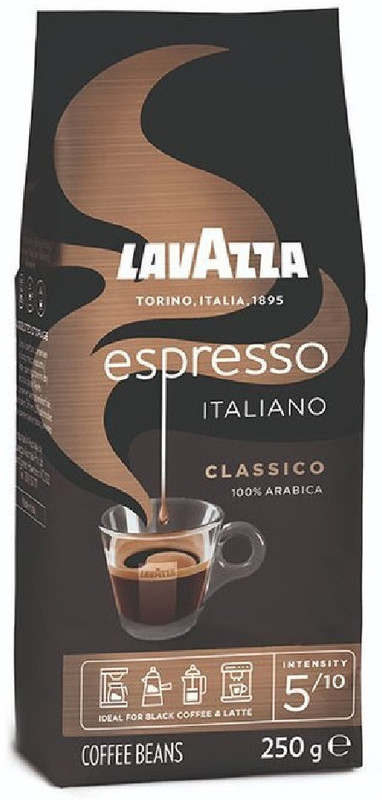
Lavazza Caffé Espresso Coffee Beans(250 g)
Flipkart
Enjoy premium Lavazza Coffee crafted from 100% specially selected Arabica Coffee Beans sourced from South America and Africa. This medium roasted blend offers delicate intensity with aromatic notes of fruits and flowers, delivering a smooth and refined cup every time.Available as whole beans or...
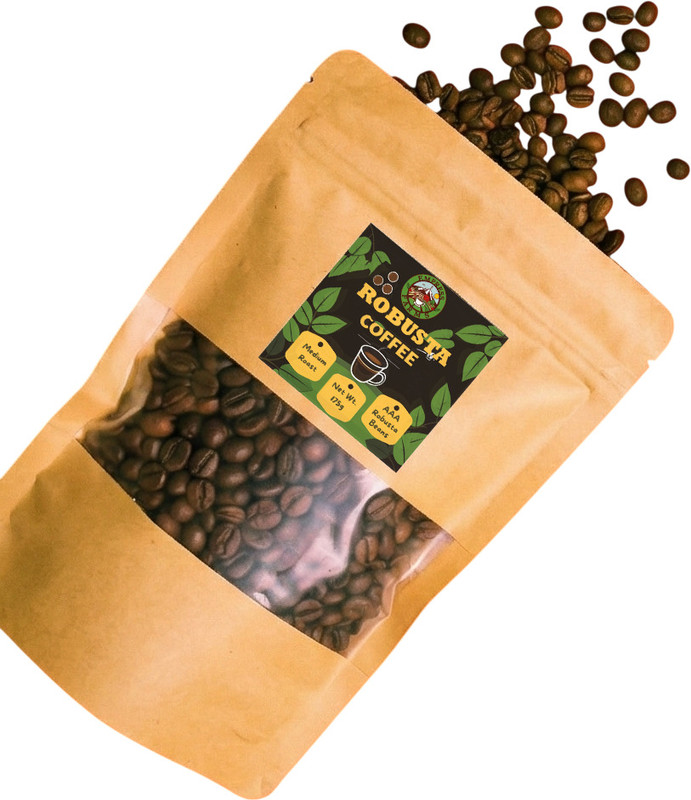
empress farms Roasted Robusta Coffee Beans | Ideal for Espresso & French Press | Coffee Beans(175 g)
Flipkart
Empress Farms presents AAA Grade Pure Robusta Coffee Beans, a premium 175g pack of fresh roasted whole beans sourced directly from the lush plantations of Chikmagalur and Coorg. Our medium roast coffee beans preserve the natural earthy richness and strong aroma characteristic of high-quality...
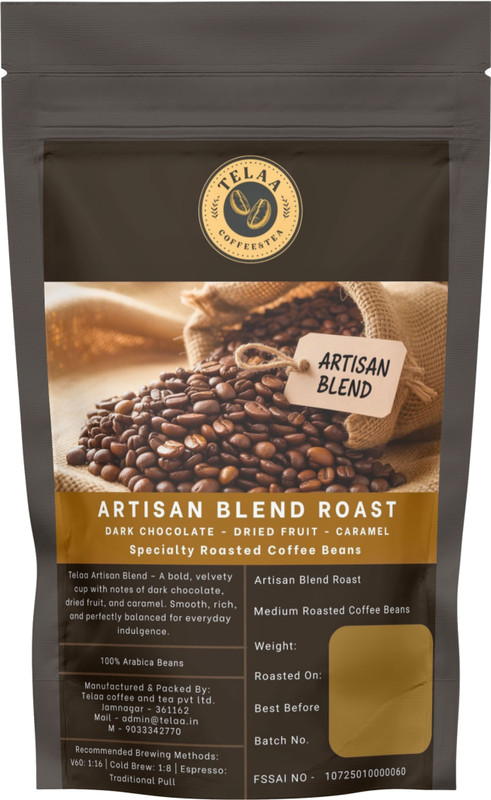
Telaa Coffee And Tea Artisan Blend Premium Roast Coffee Beans – Espresso, Americano, Cappuccino Coffee Beans(250 g, Pure Flavoured)
Flipkart
Discover Telaa’s Artisan Blend Coffee – a premium in-house roasted blend made from high-quality Arabica beans. Perfect for cafés, offices, and home brewing, this versatile coffee delivers bold flavors of dark chocolate, caramel, and dried fruit. Ideal for espresso, hot or iced Americano,...
These decisions reduce guesswork, but they do not replace dialing in the shot. Store beans in an airtight container away from heat and sunlight, use the machine’s grinder settings as a starting point, and change one variable at a time. Readers using Just Picked for buying advice can also compare reviews and deals while keeping the focus on roast date, flavor preferences, and machine compatibility rather than a catchy package name.
Conclusion
The best espresso beans are the ones that suit your preferred flavor and can be prepared consistently with your machine. Arabica, Robusta, single origins, blends, and every roast level can produce a rewarding shot when freshness and extraction are handled well. Start with a medium or dark blend if you want an easy traditional profile, or explore lighter single origins as your technique develops.
Frequently Asked Questions
Are espresso beans different from regular coffee beans?
Usually, no. “Espresso” generally describes the intended brewing method or flavor profile, while the underlying coffee can be any suitable Arabica, Robusta, or blend.
Is Arabica or Robusta better for espresso?
Arabica tends to offer more nuanced flavor, while Robusta often adds body, bitterness, and crema. A blend can combine those qualities, so the better choice depends on your taste.
What roast level is easiest for beginners?
Medium or medium-dark roast is often a forgiving starting point because it can provide sweetness and body without requiring the precision that some light roasts need.
Can light roast coffee work in an espresso machine?
Yes. Light roasts can produce bright, complex espresso, but they may need a finer grind, precise temperature, and careful extraction to avoid a sour or thin result.
Should espresso beans be bought whole or pre-ground?
Whole beans are generally preferable when you have a good grinder because grinding immediately before brewing helps you control freshness and extraction. Pre-ground coffee can still be convenient if it is used soon after opening.
How fresh should espresso beans be?
Beans should be recently roasted but usually benefit from a short resting period before brewing. Follow the roaster’s guidance when available, and store them sealed, cool, and away from light.
Why does my espresso taste bitter or sour?
Sourness often points to insufficient extraction, while bitterness can result from over-extraction, excessive heat, or a very dark roast. Adjust grind size, dose, yield, or brew time one change at a time.