
Key Takeaways
Hard water usually reveals itself through repeated household annoyances rather than one dramatic symptom. A few simple checks can help you decide whether mineral buildup is affecting your home.
- White, chalky deposits are a common sign of mineral-rich water.
- Cloudy dishes, soap scum, and poor lathering can point to hard water.
- Plumbing and water-using appliances may collect scale over time.
- A home test can indicate hardness, while laboratory testing offers greater certainty.
- Treatment choices depend on the water’s hardness and your household’s needs.
What Exactly is Hard Water?
Hard water is water containing a relatively high concentration of dissolved minerals, especially calcium and magnesium. These minerals are picked up as groundwater moves through rock and soil. Hardness is not the same thing as dirt, and the water may look perfectly clear when it comes from the tap.
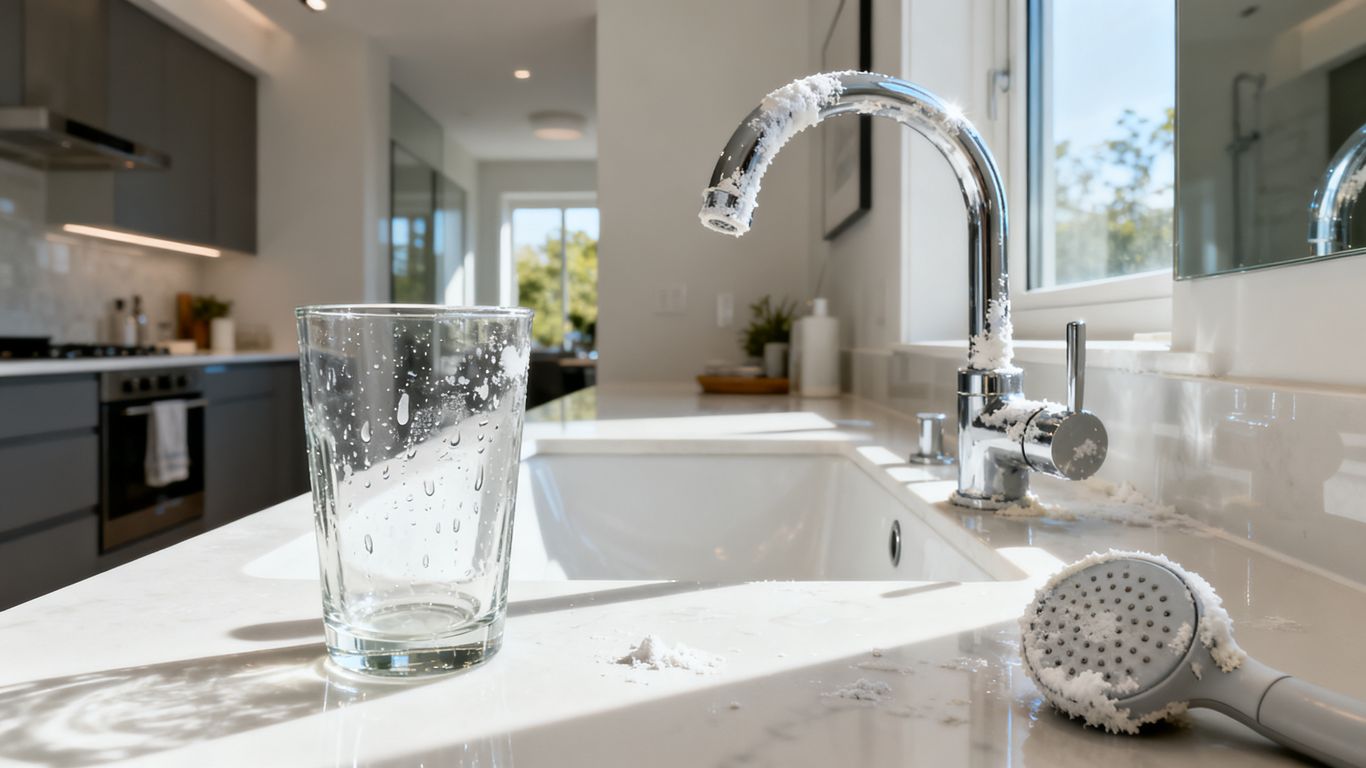
The trouble begins when water evaporates or is heated. Minerals can remain behind as a pale crust on faucets, shower doors, dishes, and heating elements. That residue may be subtle at first, but repeated exposure makes it easier to notice around places where water sits or splashes.
If you are asking, “What are the signs of hard water in a home?”, start with patterns rather than a single mark. One cloudy glass could be a dishwasher issue, but cloudy glassware combined with stiff laundry, dry-feeling skin, and scale around fixtures makes hard water more plausible. A hard water signs guide can also help you compare several symptoms before deciding whether to test.
Common Signs of Hard Water in Your Home
Hard water tends to leave evidence wherever water is used regularly. Look at the kitchen sink, shower, dishwasher, laundry area, and water-using appliances instead of focusing on one room. The following clues are common, but they can also have other causes, so treat them as reasons to investigate rather than proof by themselves.
The Mystery of White, Chalky Buildup
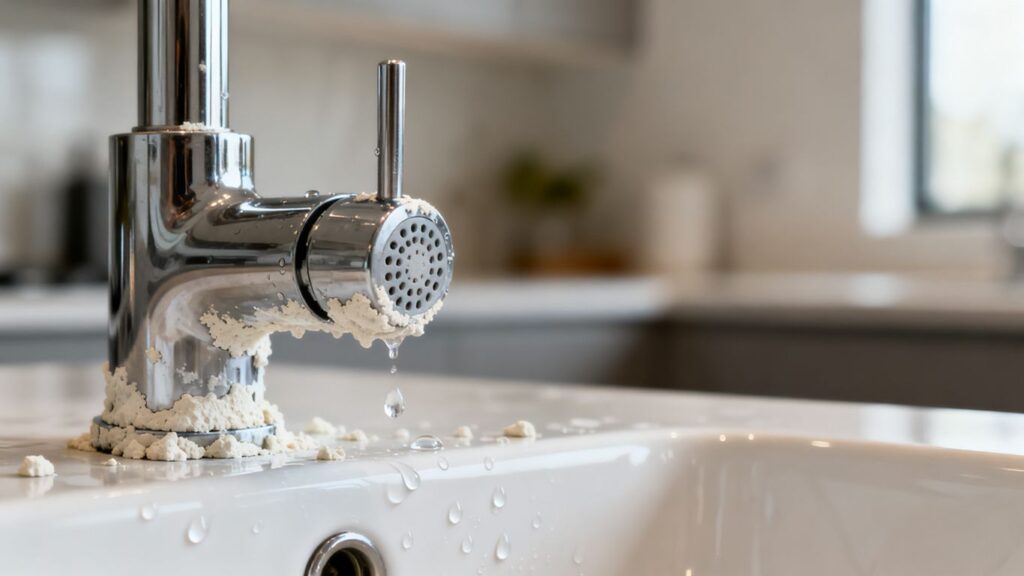
A white or pale crust around faucet bases, showerheads, drain openings, and kettle interiors is one of the easiest clues to spot. It forms as mineral-rich water dries and leaves deposits behind. Fresh residue may wipe away with ordinary cleaning, while older scale can become firmly attached and require more effort.
Are Your Dishes and Glassware Streaky?
Glasses that come out of the dishwasher cloudy or covered in spots may be showing the effects of mineral deposits. You might also notice a dull film on plates or water marks that return soon after cleaning. Rinse aid, detergent amounts, water temperature, and dishwasher maintenance matter too, so persistent spotting is more useful as part of a wider pattern.
The Impact on Your Plumbing and Appliances
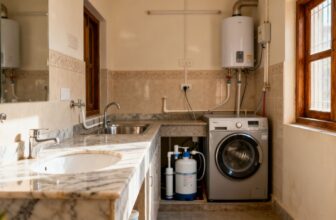
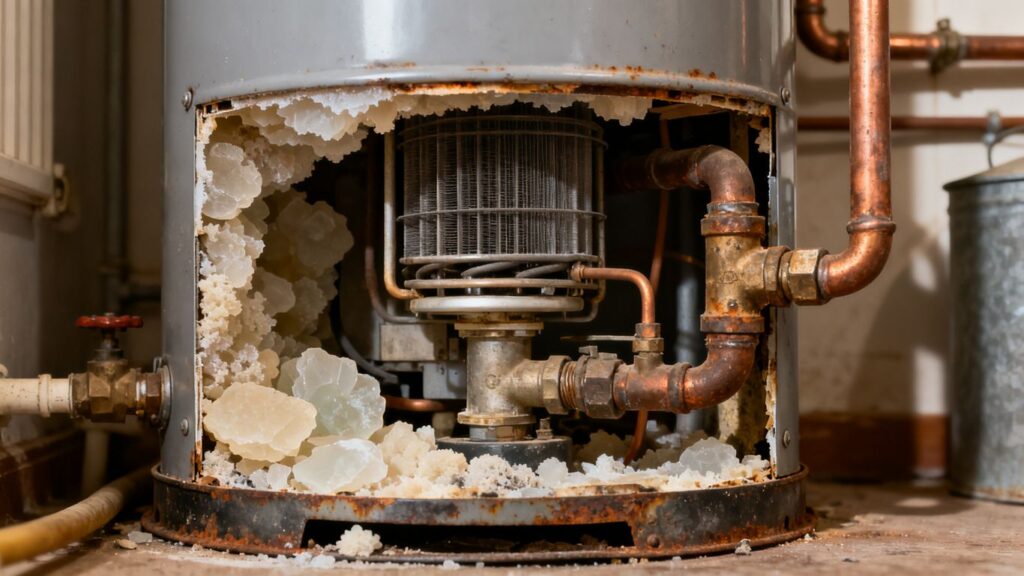
Scale can collect inside pipes, valves, showerheads, water heaters, dishwashers, and washing machines. The buildup may restrict openings or coat surfaces that heat water, though the extent depends on the water and the equipment. Pay attention to reduced flow, stubborn deposits, or appliances that seem harder to keep clean.
Several household areas deserve a quick visual check because they show mineral residue early:
- The aerators at the ends of kitchen and bathroom faucets.
- The holes and joints around showerheads.
- The heating and water-contact areas inside kettles or coffee makers.
- The edges of the dishwasher, especially near the spray arms.
These checks do not measure hardness, but they can show where water is leaving a repeated deposit. If the same chalky material appears in several locations, testing is a sensible next step.
Is Your Soap Not Lathering Like It Used To?
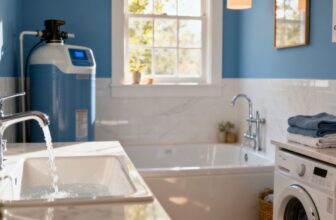
Hard water minerals can interfere with the way soap behaves, leaving behind more residue and making it seem harder to create a rich lather. You may find soap scum around a tub or shower, use more detergent than expected, or notice that freshly washed laundry feels less soft. Cleaning products and water temperature can contribute, so compare results across different routines before drawing a firm conclusion.
The Effect on Your Hair and Skin
Some people notice tight-feeling skin after bathing or hair that seems dull, coated, or difficult to rinse. Mineral residue can remain on the body and hair, especially when products are not rinsed away fully. These sensations are not unique to hard water—weather, skincare products, and shower temperature can produce similar effects—but they become more suggestive when they appear alongside scale and spotting.
Stains on Your Fixtures and Sinks
Water spots, pale rings, and yellowish or rusty-looking marks can form around sinks, faucets, toilets, and shower doors. The appearance depends on the minerals in the supply and the surface where they settle. Wiping fixtures dry can slow the visible buildup, but recurring stains after ordinary cleaning are worth investigating rather than endlessly scrubbing.
How to Test for Hard Water
Visual clues can raise the question, but a test is the better way to understand what is happening. Start by checking whether your local water provider publishes a water-quality report, or use a home hardness strip or test kit according to its instructions. A water hardness lookup may also provide a useful local starting point using common hardness measurements.
Home kits can give you a practical indication, although results vary by kit quality and technique. Follow the sample volume, timing, and color-comparison instructions carefully, and test cold tap water from a clean glass. If the result is unclear or your household has a more complex water concern, an accredited laboratory or qualified water professional can provide a more dependable reading.
Keep a short record of what you observe while testing. Note where deposits appear, whether the issue affects hot and cold water, and whether the symptoms occur throughout the home. This context helps distinguish widespread hardness from a localized plumbing, cleaning, or appliance problem.
The Long-Term Consequences of Ignoring Hard Water
Hard water is usually discussed as a cleaning nuisance, but repeated mineral deposits can become a maintenance issue. Scale may build on surfaces inside water-using equipment and make routine cleaning more difficult. The practical effect depends on the hardness level, water temperature, amount of use, and condition of the plumbing.
The cost is not always obvious at first. A household may spend more time removing residue, replace parts that no longer work smoothly, or use additional soap and cleaning products. Appliances that heat water are especially worth monitoring because deposits can accumulate on internal components, although a test is needed before assigning every performance problem to hardness.
The main lesson is to investigate early without assuming the worst. Testing gives you a baseline, and regular inspection can show whether deposits are increasing. A small amount of prevention may be easier than waiting until a fixture, appliance, or section of plumbing becomes difficult to clean or maintain.
Solutions: Tackling Hard Water in Your Home
The right response depends on the measured hardness, the source of the water, and which problems you are trying to solve. Start with simple maintenance: clean aerators, descale water-contact appliances as directed, wipe wet fixtures, and follow appliance care instructions. These steps address visible residue but do not change the mineral content of incoming water.
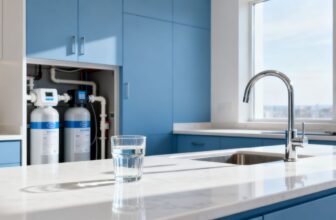
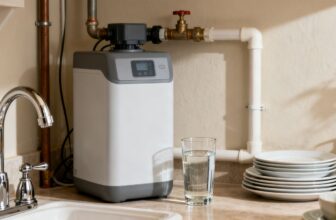
For a broader problem, homeowners may consider water-treatment equipment designed for the household’s water conditions. Options differ in how they work, what they remove or alter, and how much maintenance they require. Match treatment to evidence rather than choosing based only on a dramatic stain or a general claim about local water.
A useful comparison should include more than the purchase price:
| Question | Why it matters |
|---|---|
| How hard is the water? | Treatment capacity should suit the measured mineral level. |
| Where is the problem occurring? | A point-of-use approach may differ from whole-home treatment. |
| What maintenance is required? | Consumables, cleaning, and servicing affect ongoing effort and cost. |
| What does the installation involve? | Space, plumbing access, drainage, and professional fitting may matter. |
After comparing these factors, review the product instructions and installation requirements carefully. A qualified professional can help interpret test results and identify whether other water-quality issues need attention. Treatment should solve a documented household problem, not create an unnecessary layer of equipment.
Don’t Let Hard Water Win: Protect Your Home Today
Hard water rarely announces itself all at once. Instead, it leaves small clues: a cloudy glass, a crust around a faucet, soap that behaves differently, or a showerhead that needs frequent cleaning. When several of these signs appear together, take a sample and investigate rather than relying on guesswork.
A sensible plan is straightforward. Document the symptoms, test the water, clean existing scale safely, and compare treatment options against the result. Check manufacturer guidance before using descaling products, especially on delicate finishes or appliances, since an unsuitable cleaner can cause its own damage.
You do not need to turn every water mark into an emergency. A measured response protects your time and budget while helping you focus on the areas that truly need attention. Once you know the hardness level and the source of the deposits, maintaining a cleaner, more comfortable home becomes much more manageable.
Conclusion
Hard water can show up as scale, spots, soap residue, and changes in how fixtures, appliances, skin, and hair feel. These signs are useful clues, but testing is the clearest way to confirm the issue and choose a proportionate solution.
Frequently Asked Questions
What is the most common sign of hard water?
White, chalky buildup around faucets, showerheads, drains, and other wet surfaces is one of the most recognizable signs. It often appears alongside cloudy dishes or recurring water spots.
Can hard water make dishes look cloudy?
Yes, mineral residue can leave glasses and dishes cloudy or streaked after washing. Dishwasher settings, detergent, and rinse aid can also affect the result, so persistent cloudiness should be considered with other clues.
Does hard water damage plumbing?
Mineral scale can accumulate in plumbing components and narrow small openings over time. The risk varies with water hardness, temperature, flow, and the age and condition of the system.
Why does soap lather poorly in hard water?
Calcium and magnesium can interact with soap, making it harder to produce lather and encouraging residue or soap scum. Product type and water temperature can influence the experience as well.
Can hard water affect hair and skin?
Some people notice tight-feeling skin, dull hair, or a coated feeling after bathing. These symptoms can have several causes, so they are most useful when they occur with visible mineral deposits.
How can I test my home’s water hardness?
You can begin with a home test strip or kit, following the instructions closely. A water-quality report or laboratory test can provide additional context, particularly when home results are uncertain.
Should every home with hard water install treatment equipment?
Not necessarily. The best choice depends on the measured hardness, household preferences, maintenance expectations, budget, and the specific problems you want to address.