
Key Takeaways
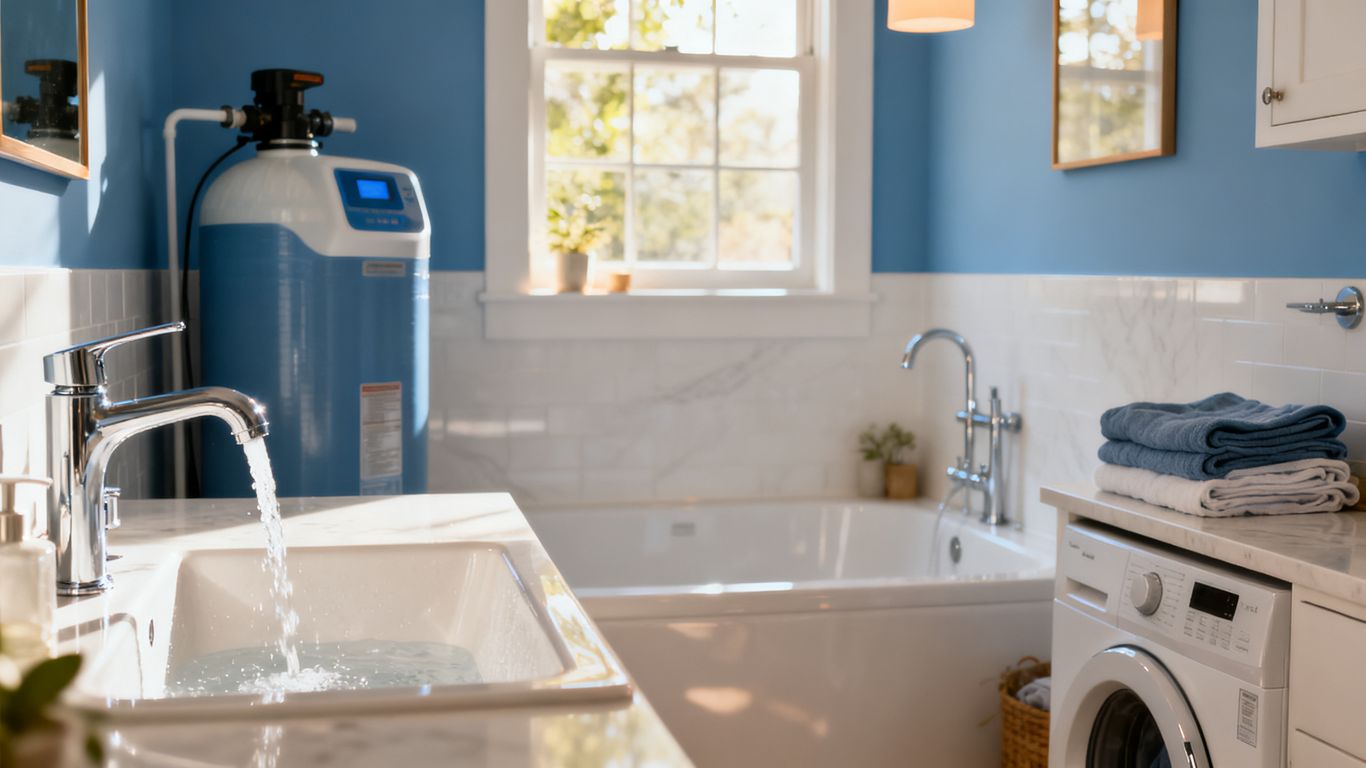
Borewell water often carries dissolved minerals that create everyday cleaning and maintenance problems. A properly selected softening unit can make household water easier to manage, provided it is matched to the water quality and maintained regularly.
- Hardness usually comes from dissolved calcium and magnesium picked up underground.
- Softening helps reduce scale in plumbing, fixtures, and water-using appliances.
- Cleaner-feeling showers and easier laundry are practical household benefits.
- A softener addresses hardness, not every water-quality concern.
- Testing the water first makes sizing and treatment decisions more reliable.
Understanding Borewell Water: The Hard Truth
Borewell water travels through soil and rock before it reaches a household supply. Along the way, it can dissolve minerals such as calcium and magnesium, which are the main contributors to hard water. The result may look clear in a glass, yet still leave deposits on faucets, shower doors, cookware, and pipe interiors.
Hard water is not necessarily a sign that the water is unsafe, but it can be troublesome for daily routines. Soap may lather less readily, spots can remain on dishes, and heating elements may collect mineral scale. A hard water guide can help explain the common signs and the trade-offs involved in treating it.
The first step is to test the supply rather than rely only on visible symptoms. Hardness levels, iron, total dissolved solids, and other characteristics can vary from one borewell to another. That distinction matters because a softening unit is designed to address hardness; it should not be treated as a complete answer for every drinking-water or filtration need.
What Exactly is a Water Softening Unit?
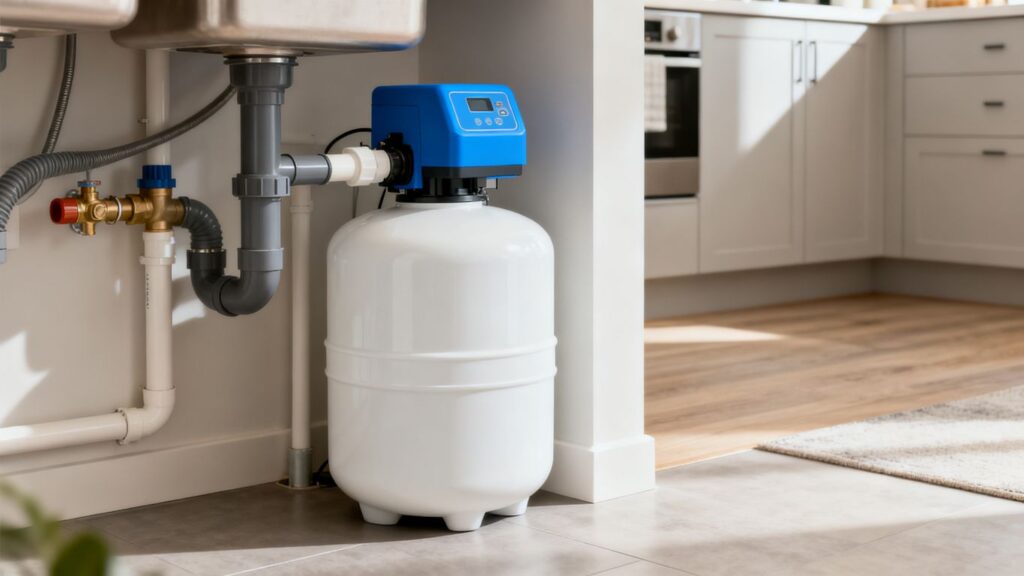
A water softening unit is a treatment system designed to reduce the minerals that make water hard. In many household systems, water passes through a resin medium that exchanges hardness minerals for other ions. The treated water then moves through the plumbing, while the resin is periodically regenerated according to the system’s design and usage.
How Water Softeners Work
During normal operation, hard water flows through resin beads that attract calcium and magnesium. Once the resin has taken on a substantial mineral load, a regeneration cycle restores its capacity, commonly using a salt solution. The exact schedule depends on water hardness, household consumption, and the unit’s capacity, so installation and settings should follow the manufacturer’s guidance.
A softener is best understood as one part of a treatment plan, not a universal purifier. It can reduce hardness while leaving other dissolved substances or contaminants to be addressed separately. For a broader overview of borewell water treatment, consider the source water, the point of installation, and the intended uses before choosing equipment.
The Top Benefits of Softening Your Borewell Water
The benefits of installing a water softening unit for borewell water are most noticeable in the places where water meets heat, soap, fabric, skin, and metal. Softened water can make routine chores feel less demanding and may reduce the buildup that develops gradually over time. The results depend on the hardness level and on whether the system is installed and maintained correctly.
Protecting Your Plumbing and Appliances
Hardness minerals can settle inside pipes and on heating surfaces as scale. Over time, that buildup may restrict flow or make water-using appliances work less efficiently. Reducing hardness at the point where water enters the home can help limit this recurring deposit problem, though it does not repair existing damage.
The practical effect is easier maintenance and a cleaner starting point for appliances that heat or circulate water. The broader case for protecting household plumbing also includes reducing scale-related cleaning and service concerns, rather than waiting until deposits become difficult to remove.
Say Goodbye to Stubborn Limescale Stains
White, chalky marks on faucets, shower glass, sinks, and tiles are among the most visible signs of hard water. They form when mineral-rich droplets dry on a surface, and repeated deposits can become increasingly difficult to clean. Softer water reduces the minerals available to leave those marks.
That does not mean every surface will stay spotless without effort. Prompt wiping, suitable cleaning products, and good ventilation still matter. The difference is that routine cleaning may feel less like a battle against a constant new layer of residue.
Softer Skin and Shinier Hair
Many people notice a change in how their skin and hair feel after bathing in softened water. With fewer hardness minerals interfering with soap and shampoo, rinsing can feel easier, and some users experience less of the dry, coated sensation associated with hard water. Personal results vary with skin type, products, and the rest of the water chemistry.
Softened water is not a medical treatment, and it should not be presented as one. Still, reducing one common source of residue can make a shower more comfortable and may simplify personal-care routines. A skin and hair water guide offers useful context when weighing this benefit against the practical considerations of a softener.
Brighter and Softer Laundry
Hard water can make detergents less effective by reacting with the minerals in the supply. Clothes may feel stiff after washing, colors can look dull, and extra product may seem necessary. Softer water gives detergent a better environment to work in, which can support cleaner-feeling fabrics and easier rinsing.
A few household habits still make a difference: use the recommended detergent amount, avoid overloading the machine, and select a cycle suited to the fabric. Softening can support those habits, but it cannot reverse every stain or replace proper laundry care.
Improved Taste and Odor of Your Water
Some households find that removing hardness minerals changes the taste or mouthfeel of their water. Water may seem less chalky, and the absence of mineral deposits can improve the experience of using faucets and fixtures. Taste and odor, however, are influenced by many factors beyond hardness.
If the borewell supply has an unusual smell, visible color, or a concern involving iron, microbes, or other contaminants, test it and choose treatment for that specific issue. A softener should not be assumed to make untreated borewell water suitable for drinking on its own.
Cost Savings in the Long Run
The financial case for softening usually comes from many small reductions rather than one dramatic saving. Less scale can mean less scrubbing, fewer deposits on fixtures, and potentially less strain on water-using equipment. Detergent and cleaning-product use may also change when hard water is no longer working against everyday chores.
The main costs include the unit, installation, regeneration supplies, testing, and ongoing maintenance. A simple comparison helps keep expectations realistic:
| Household area | Hard-water challenge | Possible softening benefit | What still matters |
|---|---|---|---|
| Plumbing | Mineral scale inside lines | Less new scale formation | Existing damage may remain |
| Laundry | Reduced detergent performance | Easier washing and rinsing | Correct detergent use |
| Fixtures | Dried mineral spots | Fewer deposits to clean | Regular wiping |
| Appliances | Scale on heating surfaces | Cleaner operating conditions | Descaling and servicing |
The table is a reminder that savings depend on the home’s starting point. A household with very hard water and frequent appliance use may see more value than one with mild hardness, so the decision should follow testing and realistic maintenance costs.
Choosing the Right Water Softening Unit for Your Needs
The right unit is not simply the largest or most heavily advertised model. Start with a water test, the number of people in the household, typical daily use, and the measured hardness level. These details help determine capacity and whether additional treatment is needed before or after softening.
Consider where the system will be installed and which outlets should receive treated water. A point-of-entry setup can serve much of the home, while a narrower arrangement may suit a specific use. Space for the tank, access to drainage, electricity where required, and a convenient location for replenishing salt all affect day-to-day practicality.
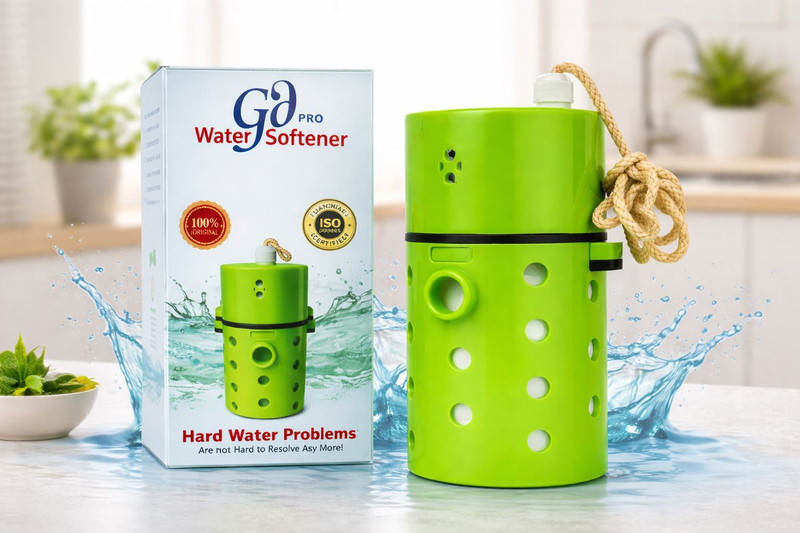
Gd Pro Water Softener for Home| Protects Appliances | Prevents Scaling & Easy Install Solid Filter Cartridge(5, Pack of 1)
 Flipkart
Say goodbye to hard water problems with this Hard Water Softener for Overhead Water Tanks. Specially designed to tackle water hardness, it helps in reducing hair fall, preventing scale build-up, and improving overall water quality in your home. By treating hard water before it reaches your taps,...
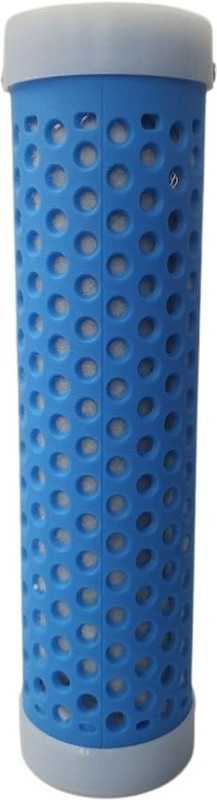
Flowsoft WATER SOFTNER-Reduces Dry Skin & Hair Loss|Whole House|Food Grade|Soft Water Solid Filter Cartridge(NA, Pack of 1)
Flipkart
Upgrade your home's water quality with this Whole House Water Softener, designed to reduce hard water effects and provide softer water throughout your home. Made with food-grade materials, it helps minimize limescale buildup in taps, pipes, showers, and bathroom fittings while improving the feel...
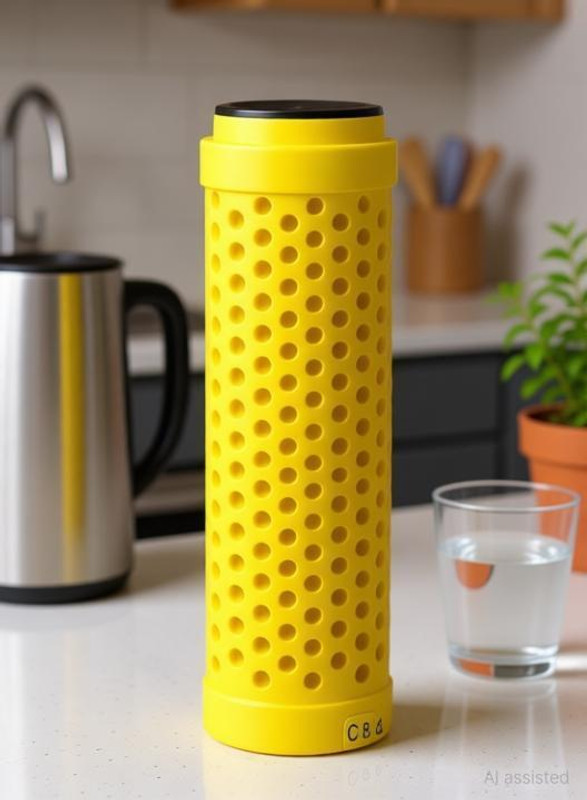
D'Cal by D'Cal Whole House Hard Water Softner Solid Filter Cartridge(0.001, Pack of 1)
Flipkart
D'Cal Hard Water Conditioner inhibits Calcium formation because of Hard Bore Water used in Houses for Utility Purpose (Like Taking Bath, Washing, etc). Because of Hard Water Taps, Tiles, Geyser Rods all become white and also hard to operate. Same with our Hair too. They become dry and stiff. The...
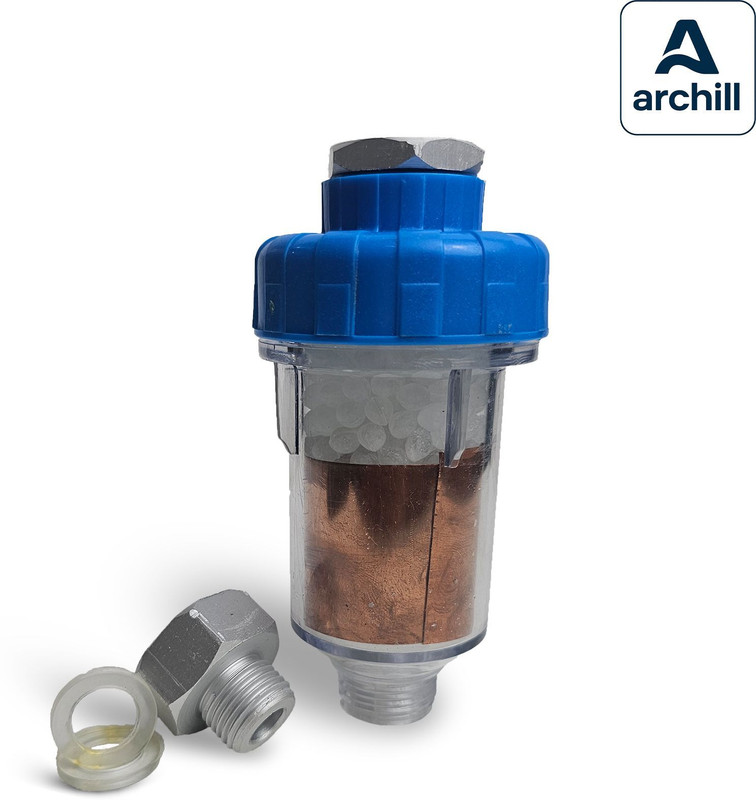
ARCHILL by Archill water softner for shower with copper Media Filter Cartridge(0.05, Pack of 1)
Flipkart
Upgrade your daily shower with the Archill Advanced Water Softener for Shower, engineered to combat the harsh effects of hard water. This premium filter features a multi-stage purification system, including high-grade Copper media for anti-bacterial protection and Siliphos (Phosphate Crystal...
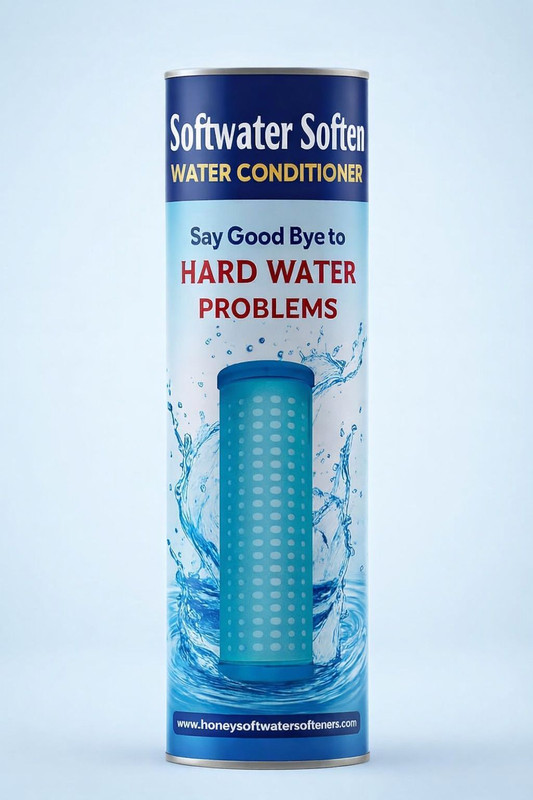
Honey Softwater Softeners by Honey Softwater Softeners Water softner Solid Filter Cartridge(1.25, Pack of 1)
Flipkart
Honey Softwater Softener is an advanced water softener for home designed to reduce hard water problems and high TDS water effects commonly found in borewell and municipal water across India. This salt free, non electric water softening system works as an effective hard water filter that helps...
Maintenance deserves equal attention. Ask how regeneration works, how often supplies may need replenishing, what happens during a power interruption, and which parts require inspection. If the water contains iron, high TDS, or another issue beyond hardness, plan a treatment sequence around those findings rather than expecting one device to solve everything.
Making the Switch: A Worthwhile Investment
Installing a softening unit can be worthwhile when hard borewell water is creating repeated scale, cleaning, laundry, or bathing frustrations. The strongest benefits are usually cumulative: fixtures stay easier to manage, chores become less irritating, and the plumbing system faces less ongoing mineral buildup. Those improvements are practical, but they are not a substitute for testing or sound installation.
Before buying, write down the problems you want to solve and the costs you already incur addressing them. Include cleaning time, replacement fixtures, appliance servicing, detergent use, salt, electricity, and professional maintenance. This gives you a clearer basis for comparing the initial purchase with the likely value over several years.
A softener works best as part of a measured household water plan. Test first, select a capacity that fits actual use, install it at a sensible point, and keep up with regeneration and servicing. With those basics in place, the benefits of installing a water softening unit for borewell water can become a steady improvement rather than an overpromised quick fix.
Conclusion
Borewell water can be perfectly clear while still carrying enough hardness minerals to affect plumbing, appliances, surfaces, laundry, and bathing. A suitable water softening unit can reduce those everyday effects, but the best result comes from testing the supply and treating only the problems the system is designed to address.
Frequently Asked Questions
Is borewell water always hard?
No. Borewell water often picks up calcium and magnesium from soil and rock, but hardness varies by location and geology. Testing is the reliable way to determine the actual level.
What does a water softener remove?
A water softener is designed primarily to reduce hardness minerals, especially calcium and magnesium. It is not automatically a filter for microbes, iron, TDS, odors, or every other contaminant.
Can softened borewell water be used for bathing?
Yes, softened water is commonly used for household bathing and cleaning. It may reduce mineral residue and make soap and shampoo easier to rinse, although individual experiences differ.
Does a softener make borewell water safe to drink?
Not by itself. Drinking-water safety depends on the full water analysis and local conditions. Additional filtration or disinfection may be necessary for issues that a softener does not address.
Where should a softening unit be installed?
It is often installed where water enters the home so multiple outlets can receive treated water. The best location depends on plumbing layout, drainage, power, space, and the intended treatment coverage.
How often does a water softener need maintenance?
Maintenance varies with the model, water hardness, household usage, and regeneration method. Check salt or other regeneration supplies regularly and follow the manufacturer’s service schedule.
Is a water softener worth the cost?
It can be worthwhile when scale and hard-water effects create ongoing cleaning, laundry, plumbing, or appliance problems. Compare installation and maintenance costs with the time and service expenses the system may help reduce.