
Key Takeaways
Choosing a water softener starts with understanding the water entering your home, not with picking the most expensive-looking unit.
- Test hardness before comparing systems.
- Ion exchange softeners remove hardness minerals through an exchange process.
- Salt-free conditioners reduce scale concerns but do not remove calcium and magnesium.
- RO systems serve a different purpose, especially for drinking-water treatment.
- Match capacity, installation needs, and ongoing maintenance to household use.
Understanding Hard Water and Its Impact in India
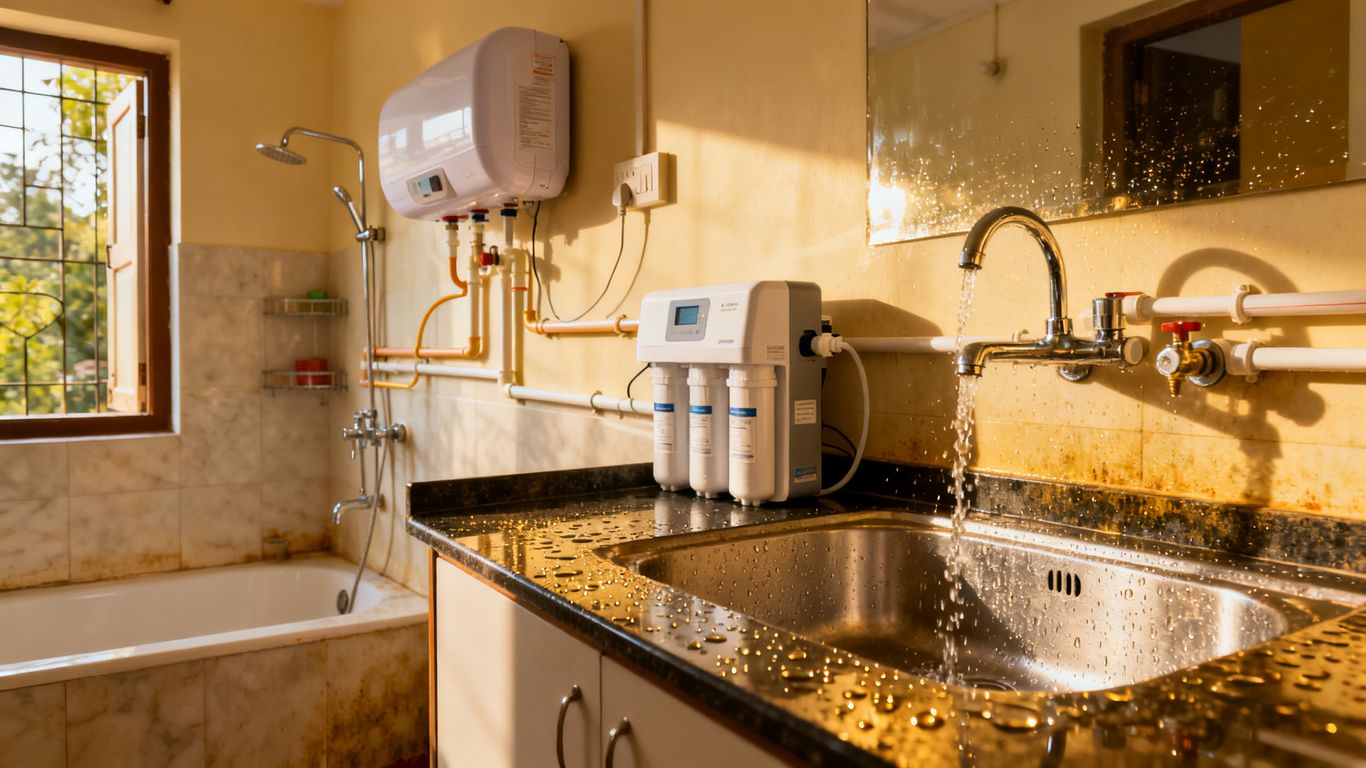
Hard water is common in many Indian homes, particularly where groundwater is the main supply. Its effects can be easy to overlook at first because the water may look perfectly clear. Over time, however, dissolved minerals can affect fixtures, fabrics, plumbing, and appliances. Knowing the symptoms makes it easier to decide whether a softener is worth considering.
What is Hard Water?
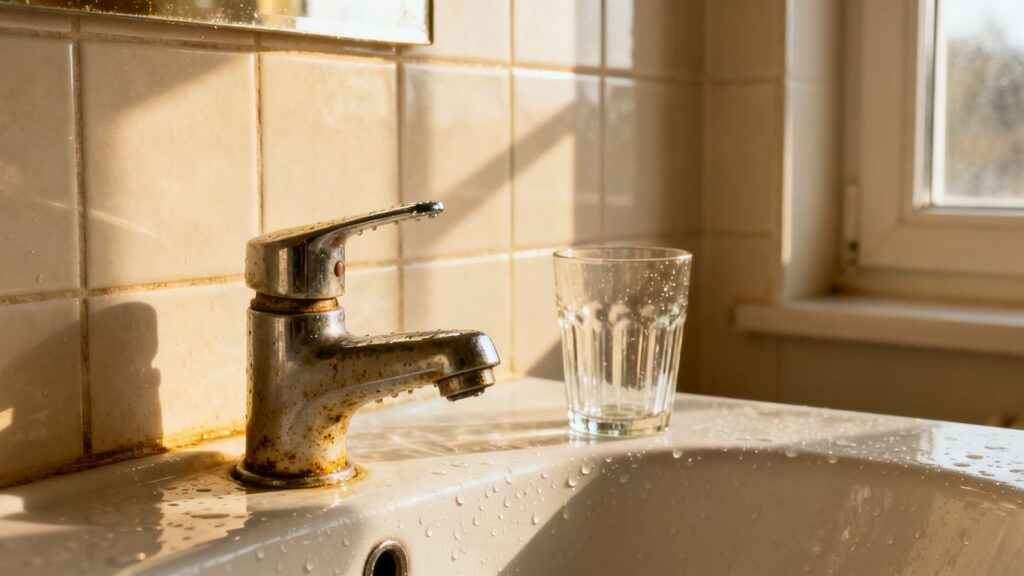
Hard water contains higher levels of dissolved minerals, mainly calcium and magnesium. These minerals are picked up as water moves through soil and rock, and their concentration can vary substantially between neighbourhoods, buildings, and seasons. Hardness is not the same thing as dirtiness, so clear water can still leave mineral deposits behind.
The practical problem is that calcium and magnesium can combine with soap and settle on surfaces. The result may be scale around taps, showerheads, geysers, and other areas where water is heated or allowed to evaporate. A local test is more useful than guessing from appearance alone.
Common Signs of Hard Water in Indian Homes
A few small household clues often appear together. You may notice a chalky film on bathroom fittings, soap that lathers poorly, or clothes that feel rough after washing. Hair and skin can also feel dry after bathing, although those sensations may have several possible causes.
Scale inside a geyser or washing machine can make cleaning more difficult and may affect how efficiently the appliance operates. These signs do not prove a particular hardness level, but they are a sensible reason to arrange a water test. For a broader overview of household symptoms, this hard water guide offers useful background.
Why Soften Your Water in India?
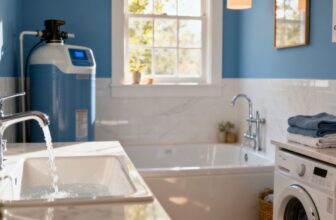
The main reason to soften water is to reduce the day-to-day effects of hardness on plumbing, appliances, cleaning, and bathing. Softer water can make soap and detergent work more easily, while reducing mineral deposits on fixtures. It can also make routine cleaning less frustrating, especially in bathrooms and kitchens.
The right system depends on what you want to treat. A unit for the whole house has different requirements from a point-of-use system, and water intended for drinking may need separate treatment. The treatment goal matters most: scale control, mineral removal, or broader purification are not interchangeable objectives.
Types of Water Softeners Available in India
Water treatment products sold for homes do not all work in the same way. Some remove hardness minerals, while others condition those minerals so they are less likely to form scale. RO systems address dissolved substances through a different filtration process. Comparing the mechanism first helps prevent a mismatch between the product and the problem.
Ion Exchange Water Softeners
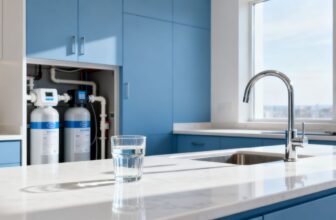
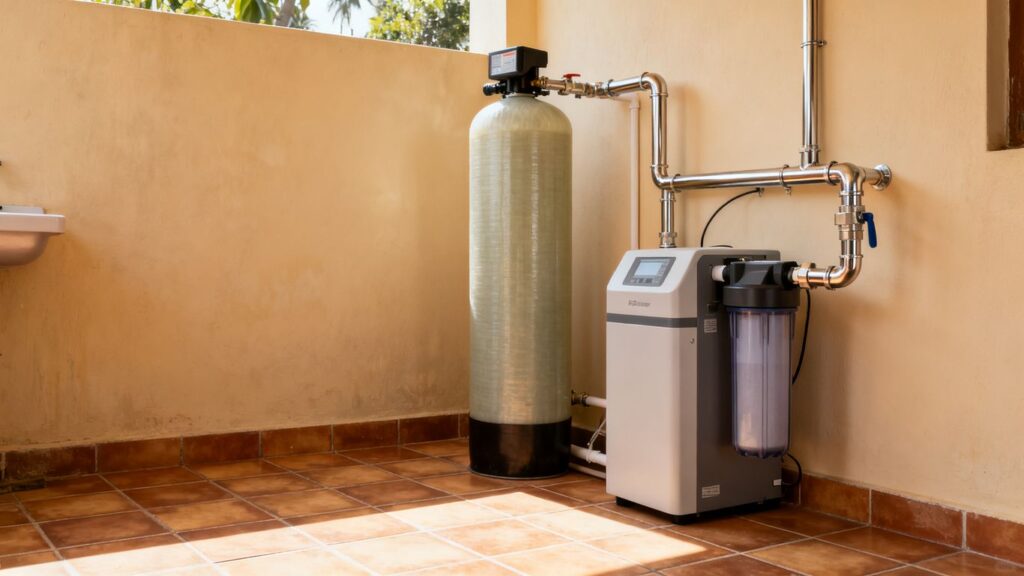
Ion exchange softeners pass water through resin that exchanges hardness-causing calcium and magnesium ions for other ions, commonly sodium. This directly reduces the hardness of the treated water and is the traditional choice when mineral buildup is the central concern. The system normally needs periodic regeneration and a supply of salt.
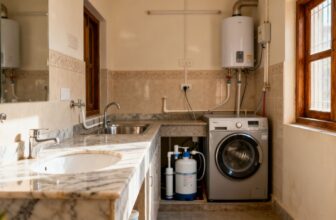
These units can suit homes with clearly measured, moderate-to-high hardness, provided there is enough space for installation and routine servicing. They are not automatically a replacement for a drinking-water purifier, so the intended outlets should be decided before purchase. This apartment softener guide explains why system type and household setting belong in the same decision.
Salt-Free Water Conditioners
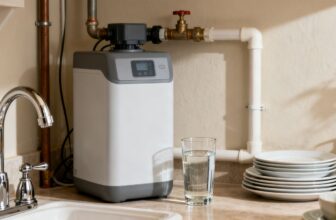
Salt-free conditioners generally do not remove calcium or magnesium from water. Instead, they condition the minerals to reduce their tendency to form certain types of scale. That distinction is significant: the water remains hard in a testing sense, even if deposits may be less troublesome in some applications.
These systems may appeal to households that want to avoid salt handling or regeneration. Their suitability depends on the incoming water, the scale problem, and the manufacturer’s operating limits. Ask what the system changes and what it leaves in the water rather than treating “salt-free” as a synonym for softened.
Reverse Osmosis (RO) Systems
RO systems use a semipermeable membrane to reduce a range of dissolved substances and are commonly considered for drinking-water treatment. They are not the same as whole-house ion exchange softeners, and installing an RO unit at one tap will not soften every outlet in a home. The choice should follow the water-use goal.
If the concern is scale in showers, washing machines, or geysers, an RO unit at the kitchen sink may not address the source of that problem. Conversely, a softener may not provide the broader treatment someone expects for drinking water. Keep these roles separate when comparing equipment.
Key Factors to Consider When Choosing a Water Softener
The most reliable buying decision combines a water test with a realistic estimate of household use. A system that is too small may regenerate or require attention more often than expected, while an oversized unit can add unnecessary expense. Installation space, drainage, electricity, and access for servicing also deserve an early check.
Water Hardness Level in Your Area
Start by finding the hardness level of your supply, using a test kit or a reliable local water report. Results may be expressed in parts per million, milligrams per litre, or another measurement, so confirm the unit before comparing it with a product specification. If your home receives water from more than one source, test the supply that will actually feed the system.
Hardness determines the treatment capacity required between regeneration cycles. It also helps distinguish a genuine softening need from a smaller, localised scale issue. A useful water softener selection guide can help you organise questions about testing, installation, and system sizing.
Household Size and Water Consumption
The number of people in the home is only a starting point. Daily bathing, laundry, cleaning, gardening, guests, and the number of bathrooms can all change water demand. A family that uses several showers at once will have a different flow requirement from a smaller household with modest consumption.
Write down the main water uses and identify which outlets need treatment. The following checklist keeps the sizing conversation practical:
- Count regular residents and frequent guests.
- Note the number of bathrooms and major water-using appliances.
- Estimate periods when several outlets operate at once.
- Separate drinking-water needs from bathing and cleaning needs.
This information helps a supplier recommend capacity and flow rate based on actual use rather than a generic household label. It also makes it easier to decide whether whole-home treatment is necessary.
Maintenance and Running Costs
Purchase price is only one part of the cost. Ion exchange systems may need salt, regeneration water, electricity, and periodic servicing, while salt-free conditioners have their own replacement or inspection requirements. RO systems can involve membrane and filter changes, as well as wastewater management.
| Cost or requirement | Ion exchange | Salt-free conditioner | RO system |
|---|---|---|---|
| Main treatment role | Reduces hardness minerals | Conditions minerals for scale control | Reduces dissolved substances through a membrane |
| Common upkeep | Salt and regeneration servicing | Media or component checks | Filter and membrane replacement |
| Best matched to | Whole-home hardness reduction | Selected scale-control needs | Point-of-use drinking-water treatment |
| Key planning question | Is there space for drainage and salt? | Are the operating limits suitable? | Is reject water manageable? |
The table is a starting point, not a promise of identical performance across every model. Before buying, check warranty terms, installation charges, service availability, replacement-part costs, and the expected maintenance schedule. A slightly higher initial price may be reasonable if the total ownership requirements suit your home better.
A final comparison should bring the test result, usage estimate, treatment goal, and maintenance plan together. That approach is more dependable than choosing by tank size or marketing language alone.
Conclusion
The best answer to how to choose a water softener for hard water in India depends on your water test, household consumption, treatment goal, and willingness to manage ongoing upkeep. Ion exchange systems remove hardness, salt-free conditioners mainly address scale behaviour, and RO systems serve a separate purification role. Compare the full installation and running requirements before making a purchase.
Frequently Asked Questions
Is hard water unsafe to use at home?
Hard water is generally a mineral-content issue rather than a visible contamination issue, but water quality can vary. Test the supply and follow local guidance, especially when deciding what treatment is appropriate for drinking water.
How can I test water hardness in India?
You can use a household hardness test kit or request information from the local water supplier or a qualified water-treatment professional. Check the measurement units before comparing the result with product specifications.
Does a water softener remove all impurities?
No. A softener is designed primarily to address hardness, while other systems may target dissolved substances, microbes, odour, or particles. Choose treatment according to the specific water-quality concern.
Is an ion exchange softener suitable for an entire house?
It can be suitable when the system is correctly sized and installed on the appropriate incoming supply. Confirm the required flow rate, regeneration arrangement, drainage, and maintenance access before installation.
Do salt-free conditioners soften water?
Usually, they condition hardness minerals rather than remove them. They may help with certain scale problems, but the treated water can still register as hard in a water-hardness test.
Should an RO system replace a water softener?
Not necessarily. RO systems are commonly used at selected drinking-water outlets, while softeners are generally considered for hardness across household plumbing. The two systems address different treatment goals.
What ongoing costs should I expect?
Costs can include salt, replacement filters or media, electricity, water used during regeneration, servicing, and repairs. Ask for a complete maintenance estimate rather than comparing purchase prices alone.