


Key Takeaways
Black coffee can fit comfortably into a healthy routine when you pay attention to preparation, timing, and personal tolerance.
- Caffeine may improve alertness, focus, and perceived energy.
- Coffee contains antioxidant compounds that may support general health.
- Drinking it black avoids the added sugar and calories of many extras.
- Benefits vary, and coffee is not a substitute for sleep or balanced meals.
- Moderate intake is usually more sensible than chasing stronger effects.
- The Powerhouse in Your Mug: What Makes Black Coffee So Beneficial?
- Boosting Your Brainpower: Cognitive Benefits of Daily Black Coffee
- Fueling Your Body: Physical Health Advantages
- Mood Enhancement: The Uplifting Effects of Coffee
- Are There Any Downsides? Moderation is Key
- Making the Most of Your Daily Brew: Tips for Healthy Consumption
- Conclusion: Embrace Your Daily Black Coffee for a Healthier You
- Conclusion
- Frequently Asked Questions
The Powerhouse in Your Mug: What Makes Black Coffee So Beneficial?
Black coffee is brewed coffee served without milk, cream, or sweetener. That simple preparation keeps the drink low in calories while preserving its naturally occurring caffeine and other compounds. For many people, the appeal is practical: it is quick, inexpensive, and easy to fit into a morning routine.
The best-known ingredient is caffeine, a stimulant that affects the central nervous system. Coffee also contains polyphenols and other compounds being studied for their possible relationship to inflammation, cellular protection, and long-term health. Research on coffee often looks at associations rather than proof of cause and effect, so the findings are promising but not a personal guarantee.
Choosing black coffee can also make the overall drink easier to evaluate. A plain cup does not bring the sugar, syrups, or cream that can turn a modest beverage into a dessert-like one. For a broader overview of the health effects of coffee, it helps to consider both its potential benefits and the ways preparation can change the drink.
Boosting Your Brainpower: Cognitive Benefits of Daily Black Coffee
A daily cup is often valued first for what it does within the next hour or two. Caffeine can make people feel more awake and may help them direct attention toward a task. The response is not identical for everyone, especially among people who rarely consume caffeine or who are particularly sensitive to it.
Coffee may also become part of a useful mental routine. The warmth, aroma, and predictable pause can signal the start of focused work, while the caffeine provides a more direct physiological lift. These effects are short-term tools, not replacements for adequate sleep, movement, or regular breaks.

Enhanced Alertness and Focus
Caffeine blocks adenosine receptors, which are involved in feelings of tiredness, and this can temporarily reduce the sensation of fatigue. As a result, a cup of black coffee may help you feel more alert during an early commute, a long reading session, or an afternoon slump. The effect tends to be most useful when the serving is familiar and moderate rather than unusually strong.
Timing matters, too. Drinking coffee late in the day can interfere with sleep, and poor sleep can erase much of the next day’s benefit. A simple rule is to keep caffeine comfortably away from bedtime and judge the result by how you actually sleep.
Improved Memory and Cognitive Function
Studies have explored whether caffeine and coffee consumption relate to memory, reaction time, and other aspects of cognitive performance. Some people notice better recall or sharper task performance after caffeine, while others mainly experience increased wakefulness. Longer-term research also examines links between regular coffee intake and cognitive decline, but those findings should be read as potential associations rather than promises.
A plain cup is a straightforward way to observe your own response without adding a large amount of sugar. The cognitive benefits of coffee are best considered alongside the basics: sleep consistently, eat enough, and use caffeine to support concentration rather than force productivity when your body needs rest.
Fueling Your Body: Physical Health Advantages
Coffee affects more than the nervous system. Caffeine can influence perceived exertion and energy use, while coffee’s plant compounds contribute to its nutritional profile. Still, the physical effects depend on the amount consumed, the person drinking it, and the rest of the diet.
Black coffee is especially easy to include in a calorie-conscious routine because it contains very little energy on its own. That does not make it a weight-loss treatment, and adding sugar or rich cream changes the equation. It simply gives you a low-calorie beverage option with a noticeable flavor and stimulant effect.
The research picture is broad rather than definitive. Observational studies have examined coffee in relation to metabolic health, cardiovascular outcomes, liver health, and several diseases. A useful overview of coffee and physical health can help put those possible connections in perspective without turning them into guarantees.
Increased Metabolism and Fat Burning
Caffeine may produce a temporary increase in energy expenditure and can make exercise feel somewhat easier for some people. This is one reason coffee is common before workouts. The effect is generally modest, and regular caffeine use may reduce how noticeable it feels over time.
Black coffee cannot compensate for an energy surplus, an irregular diet, or a lack of activity. If you use it before exercise, start with a small, familiar serving and pay attention to jitters, stomach discomfort, and hydration. A drink that makes you feel unwell is not helping the session.
Rich in Antioxidants: Fighting Free Radicals
Coffee contains polyphenols and other antioxidant compounds that can interact with processes involved in oxidative stress. These substances are one possible reason coffee appears in research on general health. The term “antioxidant” should not be treated as a cure-all, though; the body’s health depends on a much wider dietary pattern.
The table below offers a practical way to think about what changes when you keep a cup plain. It is not a nutrient prescription, but it shows why preparation matters when you are considering the health benefits of drinking black coffee daily.
| Coffee choice | Added sugar | Added dairy or creamer | Practical consideration |
|---|---|---|---|
| Plain brewed black coffee | None | None | Keeps the drink simple and low in calories |
| Coffee with a teaspoon of sugar | Present | None | Adds sweetness and extra calories |
| Coffee with flavored creamer | Often present | Present | Ingredients and serving sizes vary widely |
| Coffee drink with syrup and whipped topping | Usually high | Usually high | Can function more like a dessert than a plain brew |
Looking at the whole cup, rather than the word “coffee” alone, helps you make a more accurate choice. Black coffee is not automatically healthier in every circumstance, but it avoids several common additions that can accumulate across the day.
Potential Protection Against Certain Diseases
Research has found associations between coffee consumption and a lower risk of some conditions, including certain forms of liver disease, type 2 diabetes, cardiovascular disease, and cognitive decline. The strength of those associations varies, and researchers continue to investigate whether coffee itself explains them. Personal medical history, genetics, sleep, diet, and activity all matter as well.
The sensible takeaway is modest: regular coffee may be compatible with long-term health for many adults, but it should not be used to prevent or treat disease on its own. Anyone managing blood sugar, blood pressure, heart rhythm, pregnancy, or medication interactions should ask a clinician about an appropriate caffeine limit.
Mood Enhancement: The Uplifting Effects of Coffee
Coffee can change how a morning feels before it changes what you accomplish. Caffeine may reduce tiredness, and the familiar ritual can provide a small moment of comfort or structure. That combination helps explain why many people describe their daily cup as an enjoyable part of the day rather than merely a stimulant.
Some research has examined links between coffee intake and mood, including possible associations with a lower risk of depression in certain populations. These findings do not mean coffee is a treatment for depression or anxiety. If low mood, worry, or irritability persists, professional support is more appropriate than increasing caffeine.
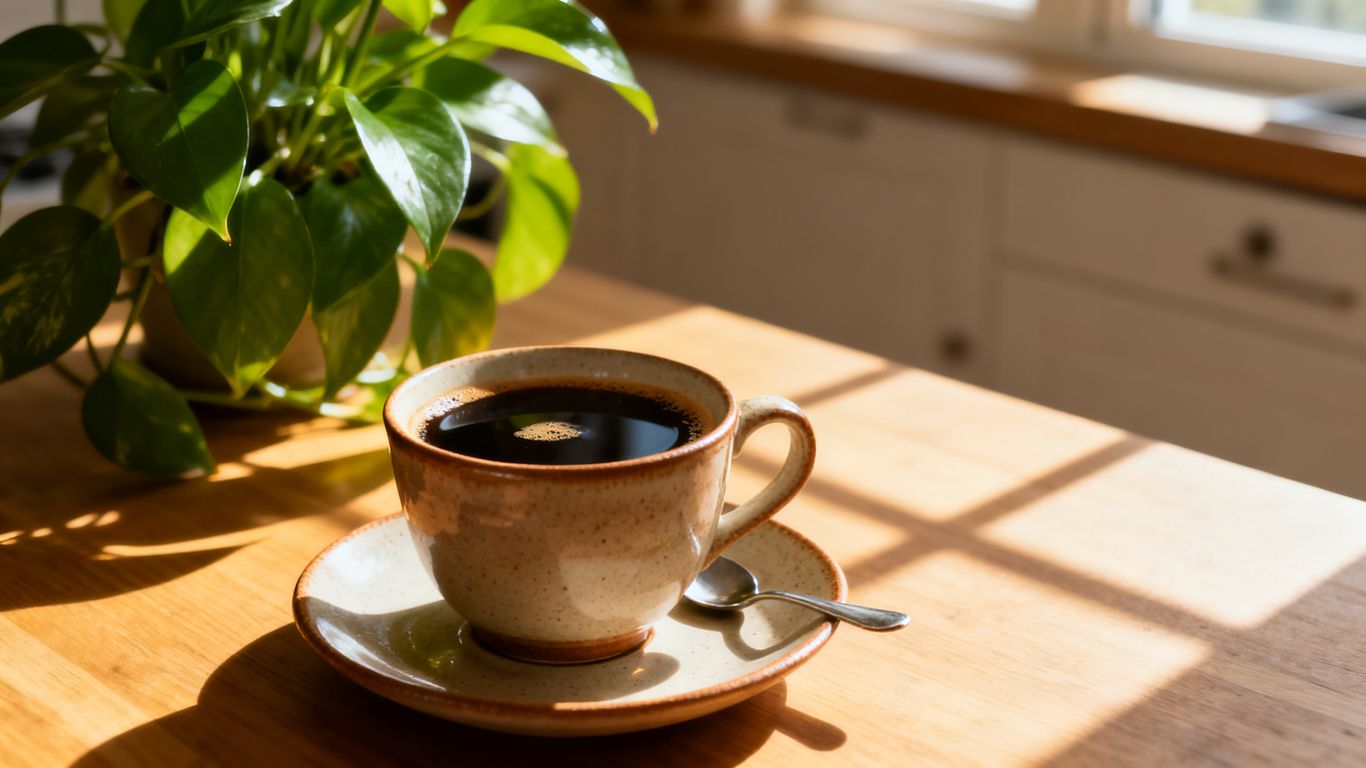
Mood also depends on dose. A little caffeine may feel brightening, while too much can bring restlessness, a racing heart, or a difficult crash. The mood and concentration effects of coffee are therefore best understood through personal observation and a steady routine.
Are There Any Downsides? Moderation is Key
Black coffee is not automatically suitable for every person or every amount. Caffeine can cause insomnia, nervousness, digestive discomfort, headaches, or palpitations, particularly when intake rises quickly. Even people who tolerate coffee well may notice problems if they drink it too late or use it to cover ongoing sleep deprivation.
Tolerance can make the situation confusing. Over time, the same cup may feel less stimulating, which can encourage larger servings. Suddenly stopping after regular use may lead to headaches or fatigue, so reducing gradually can be more comfortable for some people.
Moderation is personal, but general guidance commonly places healthy adults at no more than about 400 milligrams of caffeine per day, counting all sources. Brew strength and serving size vary, so a “cup” in everyday conversation may contain much less or much more than a standard measure. Pregnant people, adolescents, and those with certain medical conditions may need lower limits.
Making the Most of Your Daily Brew: Tips for Healthy Consumption
The healthiest coffee habit is one that supports the rest of your day. Use a serving that feels comfortable, choose a preparation you enjoy, and avoid treating caffeine as a way to postpone meals or sleep. If you are assessing the health benefits of drinking black coffee daily, track how your energy, digestion, mood, and sleep respond over a couple of weeks.
Small choices can keep the ritual pleasant without turning it into a source of excess caffeine or added sugar. They also make it easier to separate the benefits of the beverage from the effects of a large flavored drink. A few practical habits cover most of the basics:
- Drink it earlier in the day if sleep is easily disrupted.
- Keep the serving size consistent so your caffeine intake is predictable.
- Choose unsweetened coffee when you want to avoid added sugar.
- Drink water and eat regular meals rather than relying on coffee alone.
- Reduce intake gradually if stopping causes headaches or marked fatigue.
After trying these habits, reassess the result instead of assuming more is better. Coffee should leave you feeling steady and functional, not shaky or dependent on repeated refills. If symptoms continue, a healthcare professional can help identify whether caffeine is contributing.

ABG Indusviva Black coffee for Diabetes Control - Indusviva i Coffee- 50 Sachets Instant Coffee(500 g, Chocolate Flavoured)
 Flipkart
Indus Viva iCoffee Black Coffee – Your Partner for Sugar Control and Weight ManagementTransform your daily coffee ritual into a powerful step toward health and vitality! Indus Viva iCoffee Black Coffee is not just your average cup of coffee – it’s a revolutionary blend designed to support your...

Fitne Black Coffee Packets With Coenzyme Q10 L Carnitine High Antioxidant 10 Sticks Instant Coffee(80 g)
Flipkart
A Perfect combination of black coffee and coenzyme Q 10, tasty, healthy, and functional all in one cup!

VISTAFE Black Reserve Espresso Instant Coffee(100 g, Pure Flavoured)
Flipkart
Experience cafe style coffee anytime with Vistafe Espresso Premium Arabica Instant Coffee. Crafted from 100% premium Arabica beans, this instant coffee delivers a bold espresso flavor, rich aroma and smooth finish in every cup. Whether you enjoy it black, with milk, hot or iced, Vistafe offers a...

The Circle Of Aroma Signature Black Coffee & Chamomile Green Tea Combo – Herbal Tea & Arabica Instant Coffee(2 x...
Flipkart
Enjoy the perfect balance of bold energy and calming relaxation with The Circle of Aroma Signature Black Coffee & Chamomile Green Tea Combo. This combo includes premium Instant Arabica Black Coffee and soothing Chamomile Green Tea, making it ideal for both active mornings and relaxing...

The Circle Of Aroma Signature Black Instant Coffee|Arabica|Rich & Smooth Taste|No Chicory|2*50 gram Instant Coffee(2 x 50 g)
Flipkart
Quick and Convenient- the convenience of instant coffee without compromising on quality. Perfect for busy mornings or a quick pick-me-up. Distinctive Aroma- Revel in the enticing aroma that fills your senses with each cup, creating a delightful coffee experience. Versatile Usage-Ideal for making...
Conclusion: Embrace Your Daily Black Coffee for a Healthier You
The health benefits of drinking black coffee daily are tied to a simple beverage with caffeine, naturally occurring plant compounds, and few calories when served plain. It may support alertness, focus, mood, and perhaps several aspects of physical health, but the evidence is not a guarantee and coffee is not a cure. Its value depends on the person, the portion, and the habits surrounding it.
A thoughtful routine matters more than an aggressive one. Drink it at a time that protects sleep, keep additions modest if you are watching sugar or calories, and notice how your body responds. The right daily amount is the amount that fits your health needs without creating new problems.
Enjoyed this way, black coffee can be a useful, uncomplicated part of a balanced lifestyle. Let it complement good sleep, nourishing food, and regular movement rather than compete with them.
Conclusion
Black coffee can be a satisfying daily choice when moderation and personal tolerance guide the habit. Enjoy the ritual, keep the serving sensible, and let the broader pattern of your lifestyle do the real work.
Frequently Asked Questions
Is black coffee healthier than coffee with cream and sugar?
Black coffee is usually lower in calories and contains no added sugar when served plain. Whether it is healthier overall depends on the amounts and ingredients added to the alternative drink.
How much black coffee can I drink daily?
Many healthy adults can tolerate up to about 400 milligrams of caffeine daily, but caffeine content varies by brew and serving size. Individual needs may be lower.
Can black coffee help with weight loss?
Caffeine may temporarily increase energy expenditure and reduce perceived effort during exercise, but black coffee is not a weight-loss treatment. Sustainable eating and activity habits matter more.
Does black coffee improve focus?
Caffeine can temporarily increase alertness and help some people concentrate. The effect varies, and late-day coffee may harm focus indirectly by disrupting sleep.
Can black coffee affect sleep?
Yes. Caffeine can remain active for several hours and may delay sleep or reduce sleep quality. Earlier consumption is often easier on people who are sensitive to it.
Is black coffee good for your mood?
It may briefly reduce tiredness and improve how alert you feel. Persistent depression, anxiety, or irritability needs appropriate professional attention rather than more caffeine.
Should everyone drink black coffee?
No. People who are pregnant, highly caffeine-sensitive, managing certain health conditions, or taking interacting medications should seek individual medical guidance before making it a daily habit.