
Key Takeaways
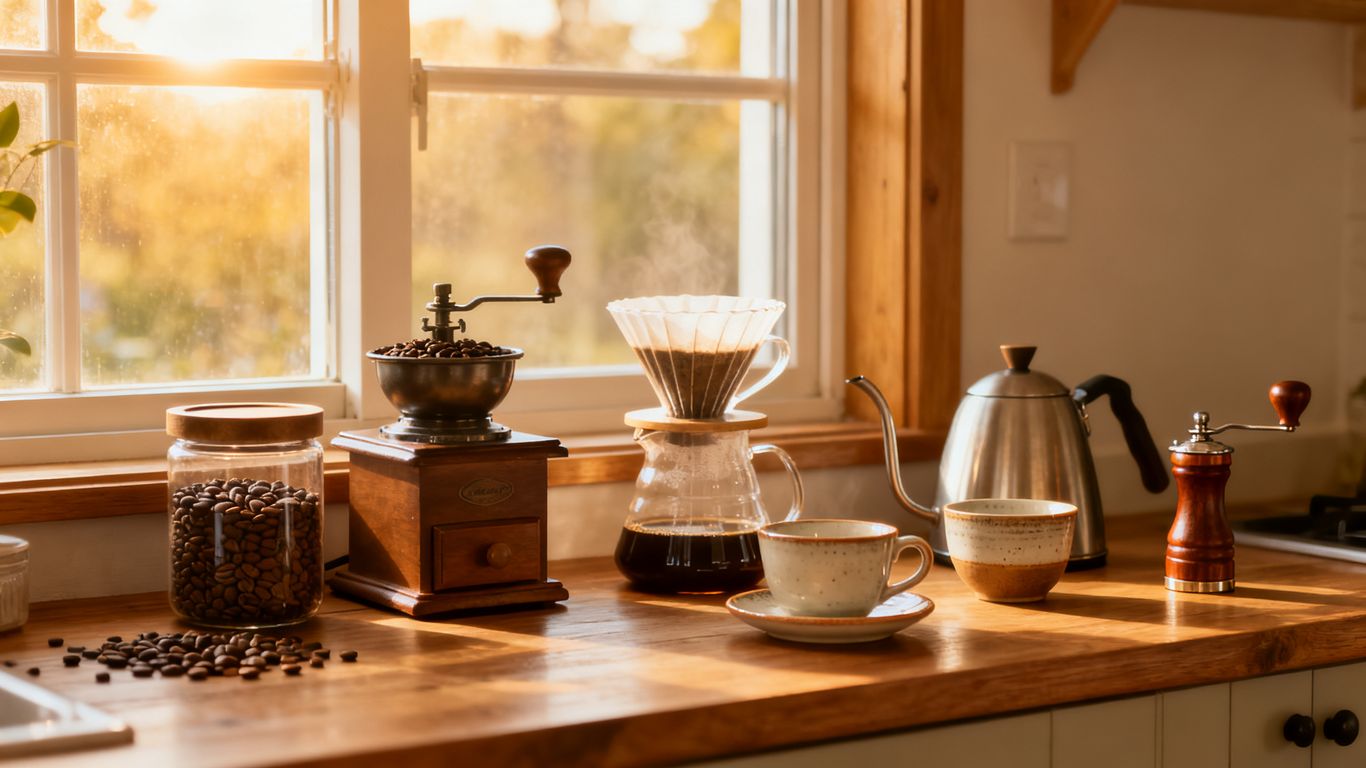
A good home grinder does more than break beans apart. It helps you control freshness, particle size, and the practical rhythm of your brewing routine.
- Burr grinders generally offer more consistent particle sizes than blade grinders.
- Manual models are compact and quiet, while electric grinders are faster and easier for larger batches.
- The right grind setting depends on your brewing method, not just the grinder’s price.
- Easy cleaning, durable construction, and useful adjustment steps matter over time.
- The best choice balances coffee quality with your budget, space, and daily habits.
- Why Your Coffee Grinder Matters
- Blade vs. Burr Grinders: The Great Debate
- Manual vs. Electric Grinders
- Key Features to Consider
- Choosing the Right Grinder for Your Brewing Method
- Conclusion
- Frequently Asked Questions
- Is a burr grinder better than a blade grinder?
- How much should I spend on a home coffee grinder?
- Is a manual grinder suitable for daily coffee?
- What grind size should I use for drip coffee?
- Do more grind settings always mean better coffee?
- How often should I clean my coffee grinder?
- Should I grind coffee beans immediately before brewing?
Why Your Coffee Grinder Matters
Coffee begins changing as soon as beans are ground. More surface area is exposed to air, so aromas fade faster than they do when beans remain whole. Grinding shortly before brewing is therefore one of the simplest ways to make a more flavorful cup, a point also explored in this fresh-ground coffee guide.
A grinder also determines how evenly water moves through the coffee bed. If the grounds contain a wide mix of very small and very large particles, some may overextract while others remain underextracted. The result can taste harsh, thin, or oddly flat even when you are using good beans and a careful brewing recipe.
That is why the question of consistent particle size matters more than a long list of extra features. A grinder should suit the way you brew, the amount you make, and how much adjustment you are willing to handle. Think of it as part of the brewing equipment, not an afterthought tucked beside the kettle.
Blade vs. Burr Grinders: The Great Debate
The central choice is between blades that chop beans and burrs that crush them between two abrasive surfaces. Both can prepare coffee, but they give you different levels of control and repeatability. Price, noise, and convenience also shape the decision, especially for someone buying a first grinder.
Blade Grinders: Pros and Cons
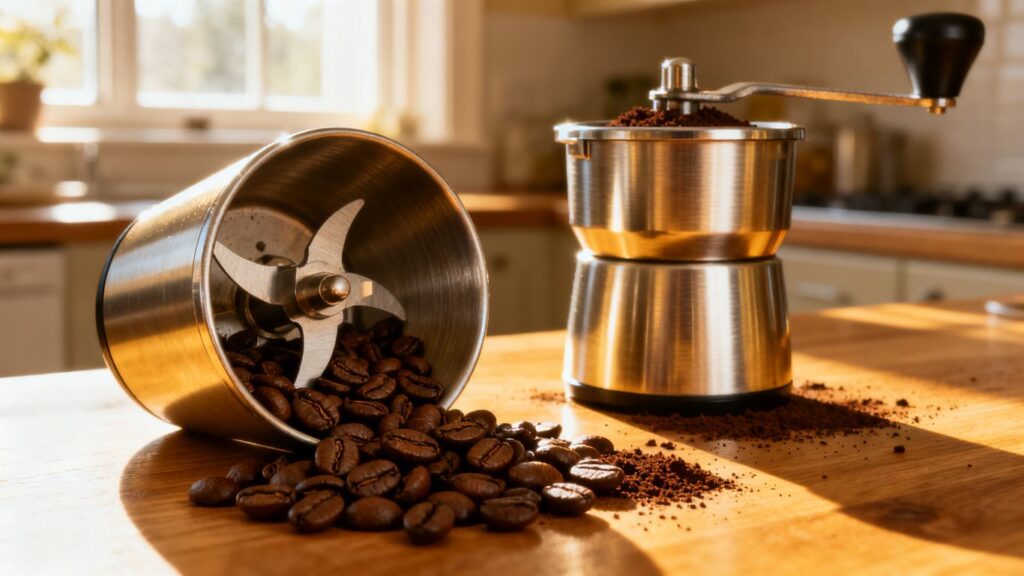
Blade grinders are usually compact, straightforward, and relatively inexpensive. A spinning blade chops the beans, and the user often controls the result by running the motor for a shorter or longer time. That simplicity can work for occasional coffee drinkers who want a small appliance and do not need highly repeatable results.
The tradeoff is that timing is an imprecise substitute for a true grind adjustment. Beans can remain uneven, with powdery fragments mixed with larger pieces, and repeated pulses do not always produce the same result. A blade grinder may be a reasonable starting point, but it can become frustrating when you are trying to refine a pour-over or another method that benefits from greater consistency.
Burr Grinders: The Enthusiast’s Choice
Burr grinders draw beans through a gap between rotating and stationary surfaces. Changing that gap changes the approximate size of the grounds, giving you a more direct way to adjust the coffee for a particular recipe. For many home brewers, this control is the main reason to spend more than the minimum.
A burr grinder is not automatically perfect, though. The adjustment range, motor, burr alignment, and construction all affect the result. It is also worth considering whether the grinder makes small, repeatable changes or jumps between settings that are too far apart for your preferred brew.
Conical vs. Flat Burr Grinders
Conical and flat burrs are two common burr designs, and neither label alone tells you which grinder will suit you best. The surrounding design, adjustment mechanism, retention, and intended brewing range matter just as much. For home use, focus on the grind quality and workflow you can actually achieve rather than treating burr shape as a verdict.
Conical burr grinders are often associated with compact designs and may be a practical fit for varied household routines. Flat burr grinders can appeal to people who want to compare coffees closely and make fine adjustments, but the complete grinder still matters more than the category name. Noise, footprint, price, and cleaning access should all remain part of the comparison.
If you are weighing the two designs, start with your brewing method and desired dose. A well-made grinder that fits your routine is more useful than a technically appealing model that stays unused in a cupboard.
Manual vs. Electric Grinders
The manual-versus-electric decision is mostly about workflow. Hand grinders trade speed for low noise, portability, and mechanical simplicity, while electric models make repeated or larger doses less demanding. Neither format is universally better; the right answer depends on when and where you brew.
Manual Grinders: Simplicity and Portability
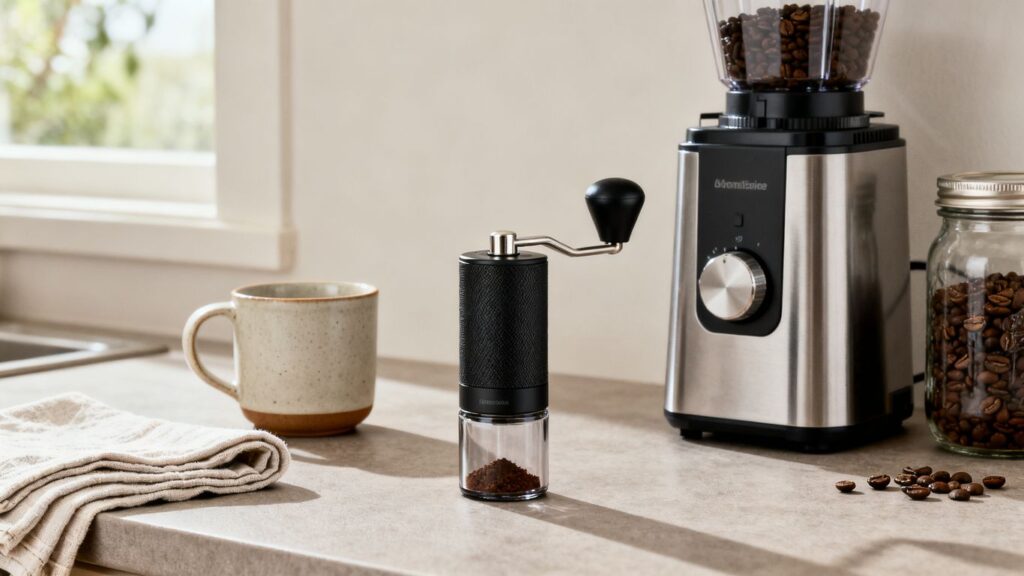
Manual grinders can be a good fit for a single cup, travel, or a kitchen where noise is a concern. They generally take up little space and do not require a power outlet, which makes them convenient for camping, office brewing, or storing in a drawer. The main cost is physical effort, particularly with denser beans or finer settings.
A comfortable handle and stable body make a noticeable difference. Before choosing one, consider how many grams you usually grind and whether you are happy spending a minute or two turning a crank. A closer look at manual grinder options can help narrow the field by matching the tool to espresso, travel, or everyday brewing.
Electric Grinders: Convenience and Speed
Electric grinders are useful when several people want coffee, when you brew multiple cups, or when you value a quick morning routine. They reduce the physical work and often make it easier to repeat a dose from one day to the next. Their disadvantages can include motor noise, a larger footprint, and a higher purchase price.
The best electric choice still needs to fit your counter and your habits. Check how the grinder starts, how easily it holds a dose, and whether its adjustment system is understandable without constant reference to a manual. A fast grinder that is awkward to clean or too loud for your household may not feel convenient in practice.
A short checklist can keep the format decision grounded in real use:
- Choose manual if portability and quiet operation matter most.
- Choose electric if speed or multiple daily doses matters most.
- Compare the grinder’s capacity with your normal batch size.
- Leave room for the grinder where you will actually use it.
These points are more useful than choosing based on appearance alone. Your routine should decide the format, while grind consistency and construction should decide the specific model.
Key Features to Consider
Once you have chosen a general grinder type, the details become easier to compare. Look for features that affect the cup or reduce friction in your routine, rather than paying extra for controls you will rarely touch. A clear adjustment system and manageable maintenance usually matter more than a crowded feature list.
Grind Settings and Consistency
The grinder should cover the range required by your brewing methods, with enough usable steps to make adjustments without guesswork. Someone who switches between a French press, drip brewer, and espresso needs a different range from someone who makes one style every morning. Consistency matters because it makes changes in dose, water, and time easier to understand.
A comparison table can clarify what to look for before you compare individual models:
| Feature | Why it matters | What to check |
|---|---|---|
| Adjustment range | Supports different brewing methods | Coarse, medium, and fine settings |
| Adjustment steps | Makes recipe changes easier | Small, repeatable increments |
| Dose control | Reduces wasted coffee | Timer, measured dosing, or simple workflow |
| Retention | Keeps old grounds from affecting a dose | Accessible paths and minimal trapped coffee |
These features work together. A broad range is less helpful if the steps are too large, and precise steps are less useful if the grinder produces an uneven mix. If possible, prioritize a model whose controls feel intuitive enough that you will actually adjust them when a brew tastes off.
Ease of Cleaning and Maintenance
Coffee oils and fine particles collect inside every grinder, especially around the burrs and the path where grounds exit. A grinder that is easy to open, brush, and reassemble is more likely to receive regular care. That matters for flavor as well as reliability, since stale residue can affect later doses.
Check whether the hopper, grounds container, and burr area are accessible without specialized tools. Avoid washing electrical parts unless the manufacturer specifically permits it, and use a soft brush or appropriate grinder cleaner for dry residue. A simple cleaning routine is usually better than an elaborate one you will postpone.
Maintenance should also be part of the ownership cost. Replacement parts, burr access, and the availability of clear instructions can matter years after purchase. Treat these practical details as buying criteria, not chores to consider only after the grinder is already on your counter.
Choosing the Right Grinder for Your Brewing Method
Your brewing method is the best starting point for choosing a home grinder. Espresso generally needs a fine range and precise adjustment, while immersion methods such as French press depend on a reliably coarse grind. Drip and pour-over brewing sit between those extremes and can still benefit from careful control.
If you mostly brew one way, a grinder designed around that range may be simpler and better value than a model that promises every possible setting. If your household moves between methods, prioritize a broad, usable range and adjustments that are easy to repeat. The goal is not to collect settings; it is to make the settings you need work well.
Budget and routine complete the picture. A manual grinder may offer strong control at a lower cost but require more effort, while an electric grinder may justify its price through speed and convenience. When considering how to choose a coffee grinder for home use, weigh the coffee you make most often against the counter space, noise, cleaning, and effort you can live with every day.
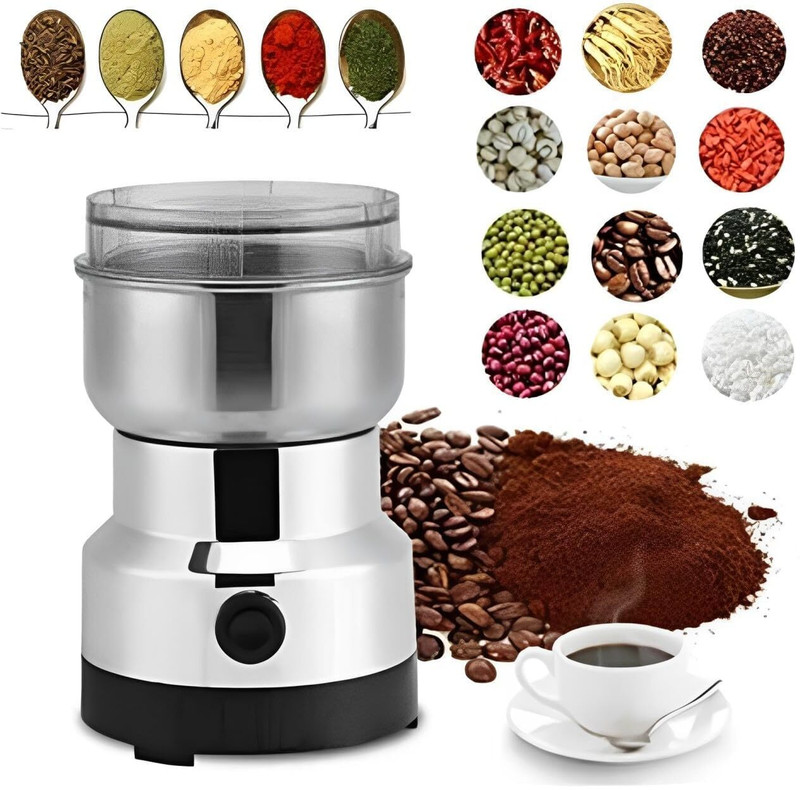
kinjal NIMA Electric Mini Coffee Grinder with Removable Stainless Steel Blade Grinder Personal Coffee Maker(Multicolor)
 Flipkart
The Electric Mini Coffee Grinder is a practical and efficient solution for fresh grinding at home or in the office. Designed for versatility, this grinder easily handles coffee beans, spices, herbs, grains, seasonings, and other dry food ingredients, delivering consistent results every time.The...
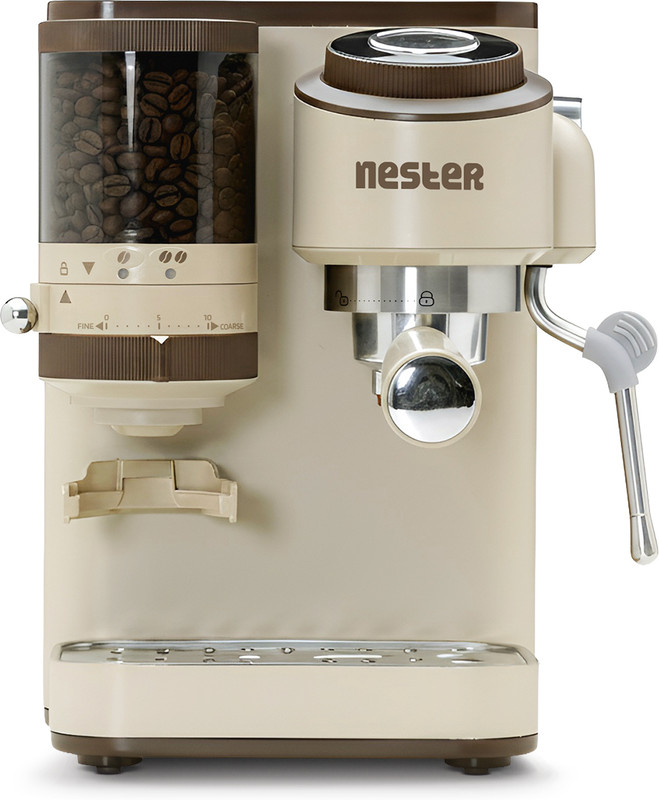
NESTER Home Barista Coffee Machine Built-in Grinder, 20 Bar - Smoked 2 Cups Coffee Maker(Brown)
Flipkart
BREWCORE PRECISION BREWING SYSTEM – Combines PID-controlled temperature stability with consistent 8–9 bar extraction pressure for balanced flavour and rich crema.BUILT-IN GRINDER WITH MULTIPLE SETTINGS – Freshly grinds beans for every cup with adjustable grind size for espresso and other brews.20...
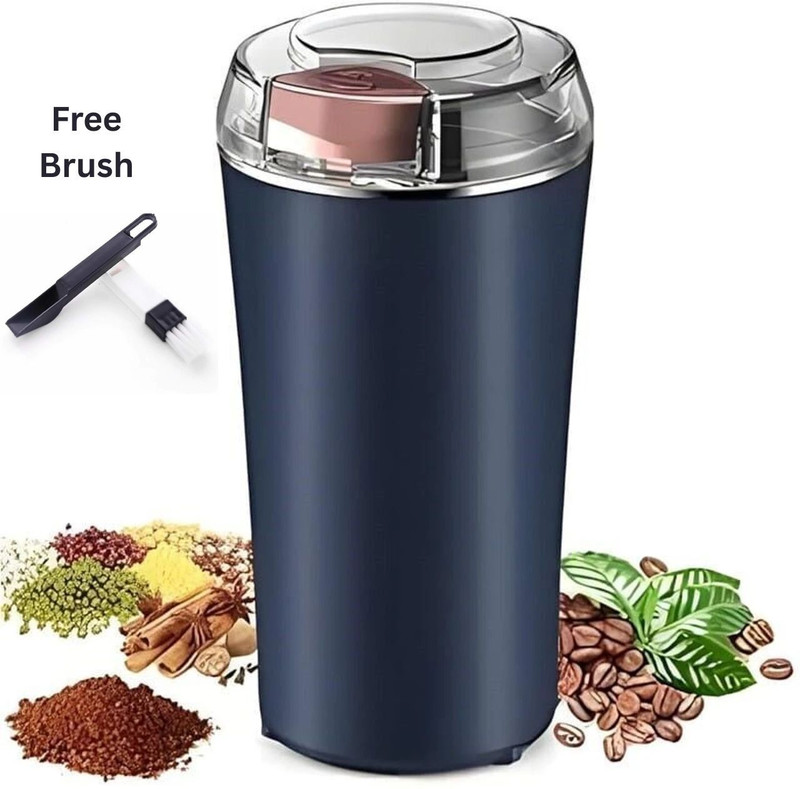
Rudra Portable Electric Coffee and Spice Grinder for Home Kitchen Use Personal Coffee Maker(Multicolor)
Flipkart
Upgrade your kitchen experience with this Portable Electric Coffee and Spice Grinder. Designed with powerful stainless steel blades, it delivers fast and efficient grinding for coffee beans, dry spices, seeds, nuts, and masala. The compact and lightweight design makes it easy to store and...
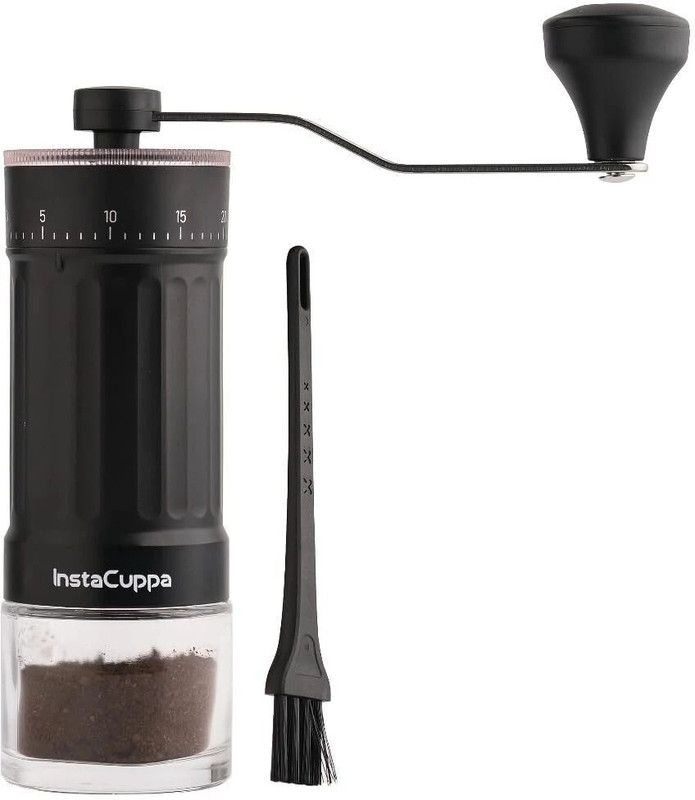
InstaCuppa Manual Coffee Bean Grinder with 40 Adjustable Settings, Fresh Grind for Espresso Coffee Maker(Black)
Flipkart
Unlike traditional grinders that require disassembly to change settings, the InstaCuppa Manual Coffee Grinder features 40 precise grind levels with a smooth external adjustment ring. Just twist to instantly switch from a fine espresso grind to a coarse cold brew—no tools, no mess. Perfect for...
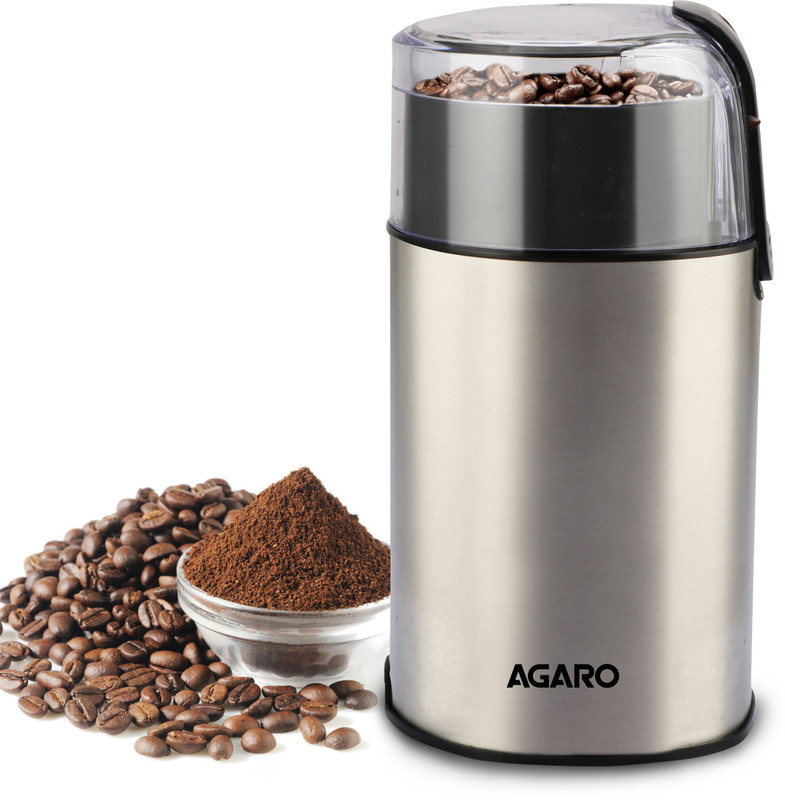
AGARO Grand Coffee Grinder, Stainless Steel Electric, Capacity 60 Gms Dry Coffee Bean Portable 6 Cups Coffee Maker(Silver)
Flipkart
AGARO Grand Coffee Grinder, Stainless Steel Electric , Capacity 60 gms Dry Coffee Bean , Silver
Conclusion
The best home coffee grinder is the one that gives you suitable control without making brewing feel like a chore. Start with your method, decide whether manual or electric fits your routine, then compare consistency, adjustment, cleaning, and overall size. A thoughtful match will do more for your daily cup than simply choosing the most complicated grinder available.
Frequently Asked Questions
Is a burr grinder better than a blade grinder?
For most home brewers, a burr grinder is preferable because it offers more control over grind size and typically produces a more consistent mix of particles. A blade grinder can still suit occasional drinkers who value a low price and simple operation.
How much should I spend on a home coffee grinder?
Spend according to your brewing method and frequency. A person making one uncomplicated cup may need less than someone preparing espresso or several brews each day, but consistency and durability are usually worth prioritizing over extra features.
Is a manual grinder suitable for daily coffee?
Yes. A manual grinder can work well for daily coffee, especially when you make one or two servings and prefer a quiet, portable tool. It becomes less convenient as dose size and the number of cups increase.
What grind size should I use for drip coffee?
Drip coffee commonly uses a medium grind, but the ideal setting varies with the brewer, filter, dose, and taste. If the coffee tastes harsh, try a slightly coarser setting; if it tastes thin or sour, try going a little finer.
Do more grind settings always mean better coffee?
No. More settings are useful only when the grinder remains consistent and the adjustments are easy to repeat. A smaller set of well-spaced, reliable settings can be more practical than a long scale with little meaningful difference between steps.
How often should I clean my coffee grinder?
Brush away loose grounds regularly and perform a deeper cleaning whenever residue builds up or the coffee begins tasting stale. The ideal schedule depends on how often you grind and how oily your beans are.
Should I grind coffee beans immediately before brewing?
Grinding shortly before brewing generally helps preserve more aroma than storing coffee after it has already been ground. For the best results, use whole beans stored in an airtight container and grind only the amount needed for the brew.