
Key Takeaways
The right coffee machine depends less on chasing the most expensive model and more on matching the machine to your routine, preferred drinks, and tolerance for hands-on brewing.
- Start with your daily coffee volume and the drinks you actually make.
- Drip and manual brewers usually offer the simplest route to a lower price.
- Pod machines prioritize speed and consistency, while espresso machines demand more technique.
- Timers, grinders, and milk frothers can add convenience but also raise the cost.
- Leave room in your budget for filters, coffee, pods, cleaning supplies, and maintenance.
- Understanding Your Coffee Needs
- Coffee Machine Types and Their Price Ranges
- Key Features to Consider for Your Budget
- Conclusion
- Frequently Asked Questions
- What is the best coffee machine for a small budget?
- Are expensive coffee machines worth it?
- Should I buy a drip coffee maker or an espresso machine?
- Is a single-serve pod machine expensive to use?
- Do I need a built-in grinder?
- How much counter space does a coffee machine need?
- What coffee machine features are easiest to overlook?
Understanding Your Coffee Needs
Choosing a coffee machine starts with your habits, not a feature list. Think about who will use it, when coffee is made, and whether you prefer a quick button press or a slower ritual. A little honesty here can prevent an expensive machine from sitting unused.
The best answer to how to choose the right coffee machine based on budget and features will be different for a solo drinker and a busy household. Your ideal machine should fit both your counter and your morning.
How Much Coffee Do You Drink?
Count cups across a normal day rather than estimating from your busiest weekend. One or two servings may not justify a large carafe, while several coffee drinkers may find a small single-serve brewer frustrating. Also consider whether everyone drinks coffee at the same time.
Capacity affects more than convenience. A drip machine can make several cups in one cycle, while a pod brewer prepares servings individually. If you regularly need coffee ready before you wake up, programmability may matter more than a long list of specialty settings.
What Kind of Coffee Do You Prefer?
Your preferred drink narrows the field quickly. Black coffee and larger servings suit drip, French press, or pour-over brewing. Espresso-based drinks require a machine that can build pressure, and milk drinks add another consideration: whether you want to steam or froth milk yourself.
If you are still comparing brewing styles, a broad coffee machine buying guide can help you think through desired drinks, experience level, budget, and the amount of effort you are willing to accept. Those questions are more useful than choosing by appearance alone.
Coffee Machine Types and Their Price Ranges
Coffee machines cover a wide price spectrum, but price does not measure enjoyment on its own. A simple brewer may be the better choice if it makes the drink you want with less cleanup. More expensive machines tend to earn their cost through speed, automation, versatility, or construction rather than through a universal improvement for every coffee drinker.
The ranges below are broad estimates, since sales, materials, and included accessories can shift the price. Before buying, check the machine’s footprint, water capacity, and ongoing supply costs. A compact brewer that fits your routine is often a better value than a feature-heavy model that creates extra work.
Drip Coffee Makers: Affordable and Simple
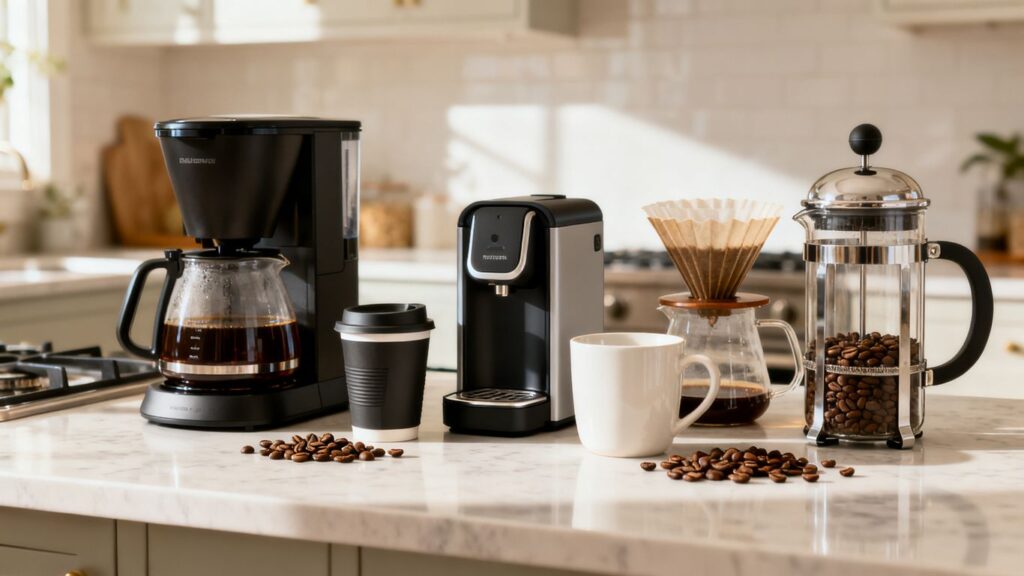
Drip coffee makers are a practical starting point for households that want several cups of brewed coffee at once. Entry-level models are often inexpensive and straightforward, while higher-priced versions may add thermal carafes, better controls, or more flexible brewing options. They are generally easy to understand and maintain.
| Approximate range | Best suited to | Typical strengths |
|---|---|---|
| Under $50 | Occasional drinkers | Simple brewing and low upfront cost |
| $50–$150 | Daily home use | Larger capacity, timers, and improved materials |
| $150 and above | Enthusiasts | More control, premium build, or specialized brewing |
These ranges are a starting point, not a promise of cup quality. For a second perspective on programmable drip brewers and thermal carafes, readers can consult drip coffee maker reviews, then compare the features that matter in their own kitchen.
Single-Serve Pod Machines: Convenience at a Cost
Single-serve pod machines are designed for speed and minimal measuring. They make one serving at a time, which can be useful when people in the same home want different drinks or wake up at different hours. The trade-off is the recurring cost of pods and the waste associated with single-use formats, depending on the system.
Check which pod formats the machine accepts and whether the available drinks match your preferences. Some shoppers care most about a fast, repeatable cup; others would rather buy whole beans or ground coffee and adjust the brew themselves. Neither preference is automatically better.
Espresso Machines: From Basic to Professional
Espresso machines range from compact entry-level units to equipment built for experienced home users. Basic models can offer a lower-cost introduction, but they often require more practice with grinding, dosing, tamping, and cleaning. More advanced machines may provide greater control, though the learning curve and accessory costs can rise with the price.
A budget espresso setup can work for someone willing to experiment. A guide to espresso machines under $100 is useful for understanding what affordable options may involve, including the compromises that come with a lower purchase price. Remember to budget for a grinder if one is not included.
French Press & Pour-Over: Budget-Friendly and Hands-On
French press and pour-over brewers keep the equipment cost low and put more control in your hands. You measure the coffee and water, manage the timing, and pour or plunge manually. That process can be relaxing, but it is less convenient when several people need coffee immediately.
These methods also make a good backup brewer because they take up little space. They suit shoppers who value flexibility and do not mind a few extra minutes in the morning. A kettle, a scale, and fresh coffee may improve the experience, but you can begin with much less.
Key Features to Consider for Your Budget
Once you have chosen a general machine type, features should serve your routine rather than distract from it. A timer is valuable if it gets used; a built-in grinder is useful if you want fresh grounds without another appliance. Just Picked provides buying advice alongside reviews and deals, which can help you compare practical features without treating every upgrade as essential.
Prioritize one or two features that solve a real problem. Then check how they affect cleaning, counter space, noise, and replacement costs. The cheapest machine is not always the least expensive to live with, and the most automated machine is not always the easiest to maintain.
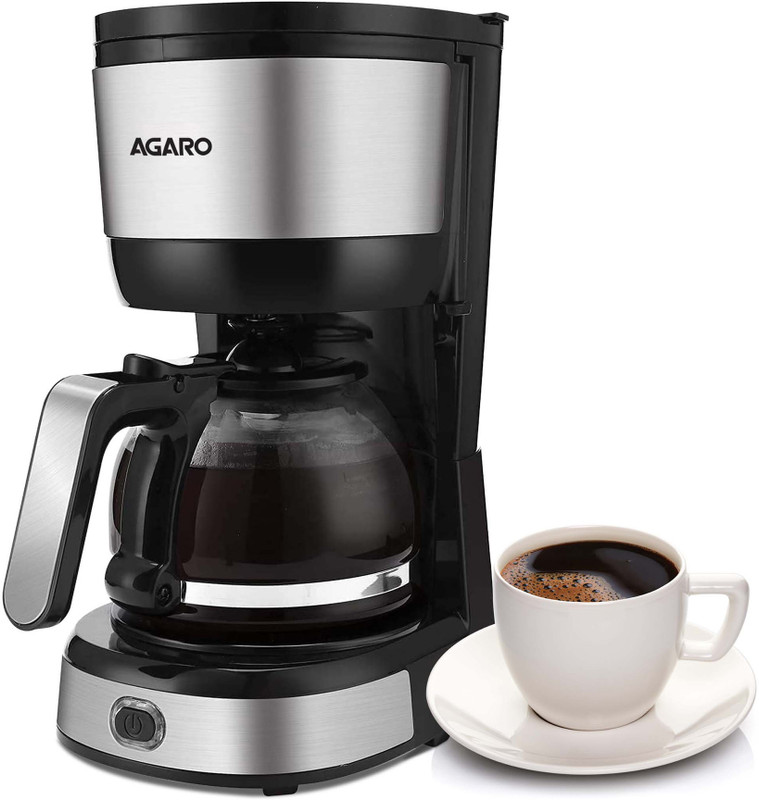
AGARO Royal Water tank with Level Indicator, Brewer Machine with Cone Filter, Auto Shut Off, Steel Body 6 Cups Coffee...
 Flipkart
AGARO Royal Drip Coffee Maker, 4 Big Cup At A Time, Auto-Shut Off, Small Drip Coffeemaker Compact Coffee Pot Brewer Machine with Cone Filter, Borosilicate Glass Carafe and Hot Plate, Stainless Steel Finish, 750W
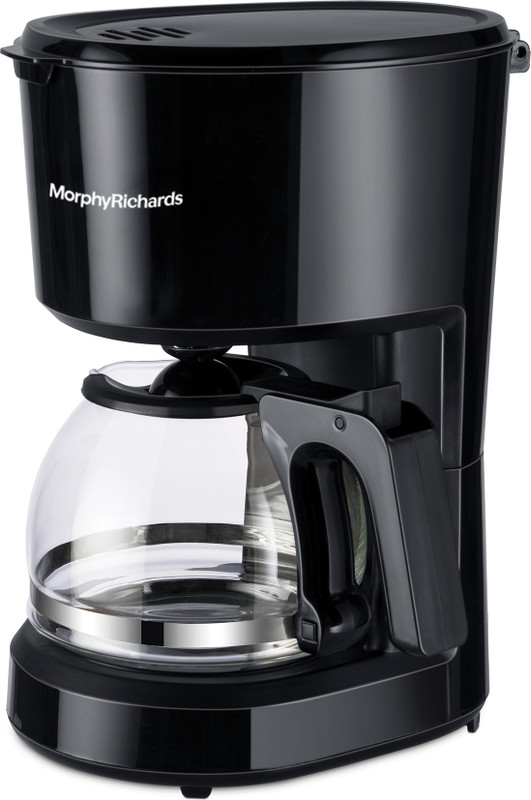
Morphy Richards Europa Anti-Drip Function|Dry Heat Protection|Warming Plate|2 Years Product Warranty 6 Cups Coffee Maker(Black)
Flipkart
Morphy Richards Europa Drip 600-Watt 6-cup Drip Coffee Maker comes with a power of 600 Watt for optimal brewing temperature. It has a capacity of 600 ml that makes up to 6 cups coffee at a time. The anti-drip function ensures safety & cleanliness during operation. It comes with a warming plate...
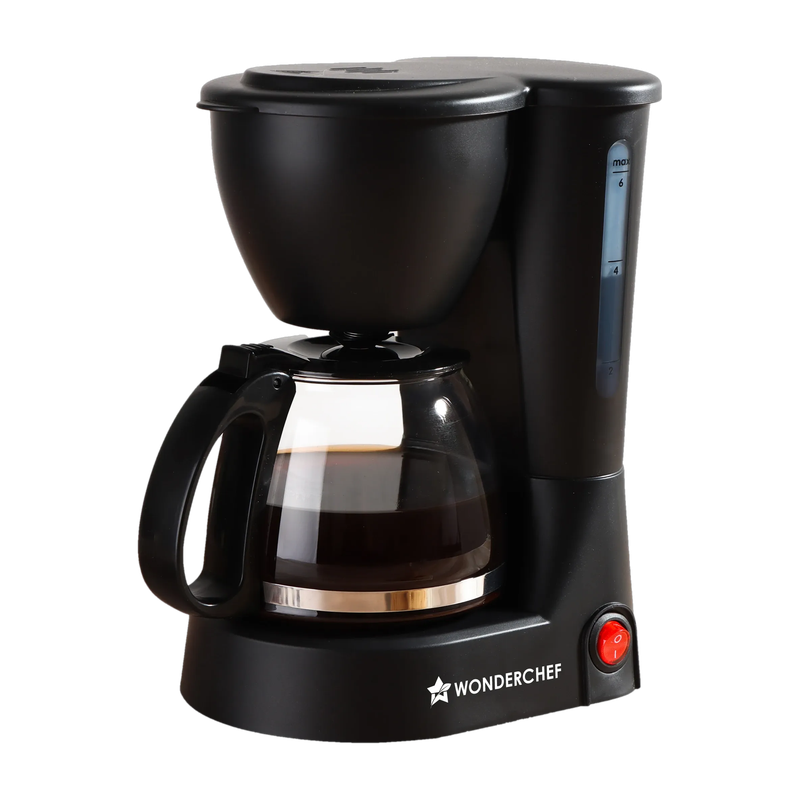
WONDERCHEF Swift Brew Anti-Drip System | Keep Warm Plate | Borosilicate Glass Carafe | Compact Design | 2-Year Warranty |...
Flipkart
Indulge in the delightful taste and enticing aroma of freshly brewed coffee with Wonderchef Swift Brew Coffee Machine. Start your day on a perfect note with coffee that will awaken your senses!• Convenient to Use: Simply add coarse-ground coffee powder to the basket and brew a delicious cup of...
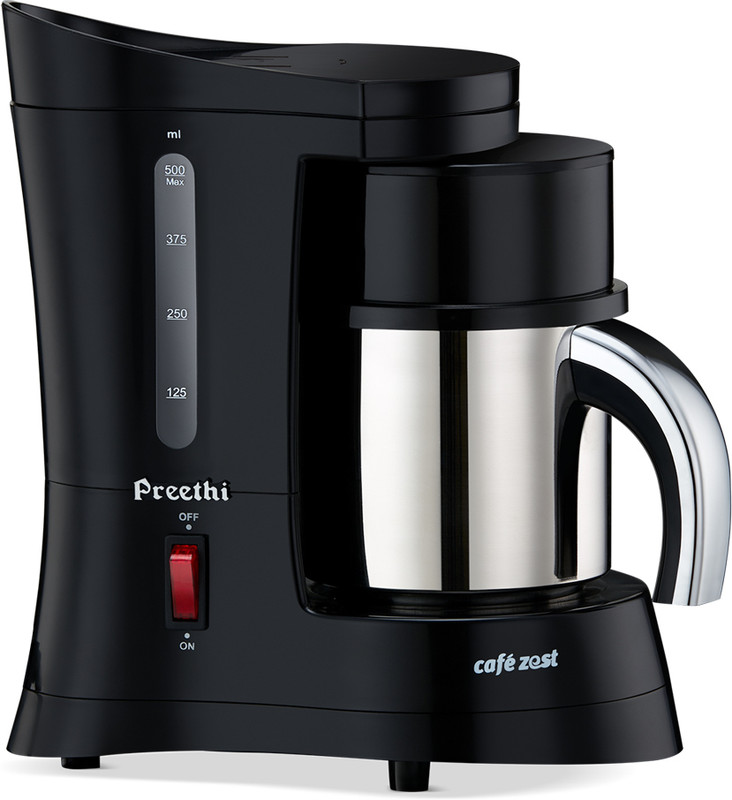
Preethi Cafe Zest CM 210 450W Coffee Machine for Home | 500ml Capacity 10 Cups Coffee Maker(Black)
Flipkart
The need for a good coffee machine is something that you just cannot afford to overlook if you care for your employees’ needs. So, if you are a startup with a small budget, you can get this coffee maker from Preethi and let your workers enjoy refreshing coffee breaks that help them work better.
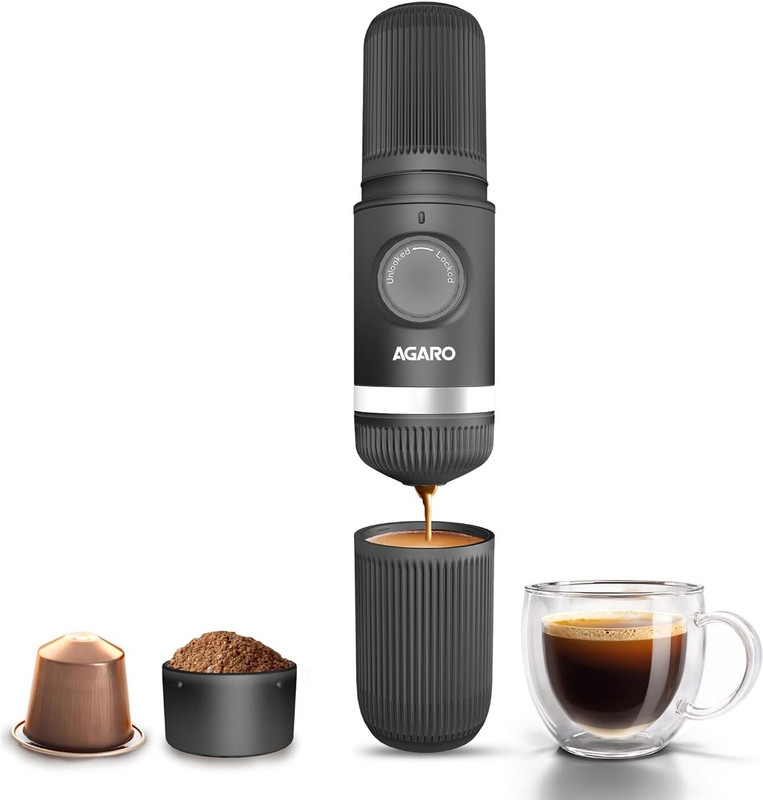
AGARO Elite Portable Espresso Maker, 10-Bar Manual Coffee Machine for Travel Personal Coffee Maker(Black)
Flipkart
AGARO Elite Hand Press Portable Espresso Maker, 10-Bar Hand Pressure, Compatible with Capsules & Ground Coffee, With Cup Holder, Travel-Friendly, Leak-Proof & Compact & Manually Operated
Programmability and Timers
Programmable brewing can prepare coffee at a set time, which is convenient for predictable mornings. It is most useful on machines that brew a full pot or a planned serving without requiring several steps at wake-up. Look for controls that are easy to set and a clock that remains accurate after a power interruption.
Before paying extra, ask whether you genuinely follow a fixed schedule. If your mornings change often, a simple start button may be enough. Just Picked’s practical buying advice is aimed at helping shoppers weigh that kind of everyday fit alongside headline specifications.
For a timer or control panel, consider these questions before you buy:
- Can you set it without consulting the manual each time?
- Does the machine keep the coffee warm in a way you will actually use?
- Will the programmed cycle suit the number of cups you usually make?
- Is the clock easy to reset after an outage?
A timer is a convenience feature, not a reason by itself to move into a higher price tier. If it saves a repeated morning step, it may be worth paying for; otherwise, put the money toward better coffee or a useful accessory.
Grinder Integration
A built-in grinder can reduce the number of appliances on your counter and shorten the path from whole beans to brewed coffee. It also adds parts that need cleaning and can make the machine larger. Consider whether you prefer the convenience of one appliance or the flexibility of choosing a separate grinder later.
Grinder integration makes the most sense for someone who buys whole beans and wants a streamlined routine. If you mostly use pre-ground coffee, it may add cost without adding much value. Check the hopper size, adjustment options, noise, and access for cleaning before treating it as a must-have.
A separate grinder can also make upgrading easier because you can replace one component at a time. That approach may be especially sensible for shoppers who are still learning which brewing style they prefer.
Milk Frothing Capabilities
Milk frothing matters mainly if you regularly drink lattes, cappuccinos, or other milk-based beverages. Some machines include a frothing attachment or wand, while others focus only on brewing coffee. Manual frothing usually involves more practice, cleaning, and attention than simply brewing a black coffee.
Think about speed and texture, but also about cleanup. Milk residue should be cleaned promptly, and a frothing system can add another maintenance task. If milk drinks are an occasional treat, a separate handheld frother may be more economical than buying a larger machine built around that feature.
Conclusion
The right coffee machine is the one that matches your actual drinks, daily volume, available space, and willingness to maintain it. Compare the total cost of ownership, not just the shelf price, and spend extra only on features you will use repeatedly. A clear picture of your routine makes the buying decision much simpler.
Frequently Asked Questions
What is the best coffee machine for a small budget?
A basic drip coffee maker, French press, or pour-over brewer is often the most affordable starting point. Choose based on whether you value speed, capacity, or hands-on control.
Are expensive coffee machines worth it?
They can be worthwhile when their convenience, capacity, durability, or drink options solve a regular need. Higher cost does not automatically mean a better fit for every household.
Should I buy a drip coffee maker or an espresso machine?
Choose a drip brewer for larger servings of brewed coffee and a simpler routine. Choose an espresso machine if you specifically want espresso-based drinks and are comfortable with more preparation.
Is a single-serve pod machine expensive to use?
The upfront cost may be manageable, but recurring pod purchases can make the long-term cost higher than using ground coffee. Estimate your weekly use before deciding.
Do I need a built-in grinder?
Not necessarily. A built-in grinder is convenient for whole-bean users, while a separate grinder can offer flexibility and can be replaced independently if your preferences change.
How much counter space does a coffee machine need?
Measure the machine’s width, depth, and height, including room to open the lid or refill the water. Leave enough clearance to remove parts for cleaning.
What coffee machine features are easiest to overlook?
People often overlook cleaning access, replacement filters, pod costs, noise, carafe design, and the time required to prepare milk drinks. These details can affect satisfaction more than extra presets.